Almost every new immigrant discovers the same thing in the first month: the paperwork moves faster than the housing. Your flight lands, your rights are opened, your children start school, and somewhere on the Mediterranean your entire household is floating in a steel box that will arrive whether or not you have an address for it. Storage for olim in Israel exists for exactly that gap, the weeks or months between the day your shipment clears the port and the day you actually have keys to a long-term apartment. This guide covers how to plan the timeline, how much space a household really needs, what to pack so it survives a long wait, and what to check before you sign anything.

Nobody plans to put their life in a unit. What happens is that two schedules refuse to line up. Sea freight from North America, Europe or Australia typically takes several weeks door to port, plus customs clearance on this end, and the date is an estimate rather than a promise. Meanwhile the Israeli rental market runs on short notice: most listings expect you to view, sign and move within a couple of weeks, and landlords rarely hold an apartment for a family that is still in an absorption centre or a short-term rental.
The result is that your shipment is ready before your home is, or occasionally the reverse. Either way you need somewhere neutral to put a household for a defined period, without paying for a large apartment you are not living in yet and without asking a relative to surrender their machsan for half a year.
Most families we see go through three housing stages: a first landing in temporary accommodation, a short rental while they learn the neighbourhoods, and only then a serious lease or a purchase. That middle stage is where the trouble sits. Furniture bought for a house in Toronto or Manchester rarely fits a temporary two-room flat in the centre of town, and hauling it in and out twice costs more than storing it once.
The common mistakes are predictable. People let the shipment sit at the port and accumulate demurrage charges while they hunt for an apartment. They cram everything into the temporary rental and live between towers of cardboard for months. Or they split the household across three relatives and lose track of which box holds the tax documents. A single unit rented for a defined period solves all three, and it costs less than most people assume before they look at a price list.
Work backwards from the estimated arrival date your shipping agent gives you, then add a buffer. Customs clearance, port handling and the road leg to your door are all steps that can slip by days. If you treat the earliest possible date as the real one, you will be improvising.
The question to ask about every item is not whether you love it but whether you will use it in the next three months. A temporary flat that is comfortable makes the whole absorption period easier, and that means leaving most of the household in one organized place instead of stacking it against the walls of a rental you are trying to live in.
There is always a group of items that can go into the unit on day one and stay there without anyone missing them. Separating them early is what turns a chaotic delivery day into a calm one.
A few things deserve a decision on the other side of the ocean, because shipping them is expensive and storing them costs space. Large appliances built for a different voltage, mattresses that are already worn, and furniture you were planning to replace anyway are usually cheaper to sell before departure than to ship and then store. Pianos, custom cabinetry and genuinely valuable pieces are the opposite case, and they should be flagged to your shipping agent so they are packed properly.

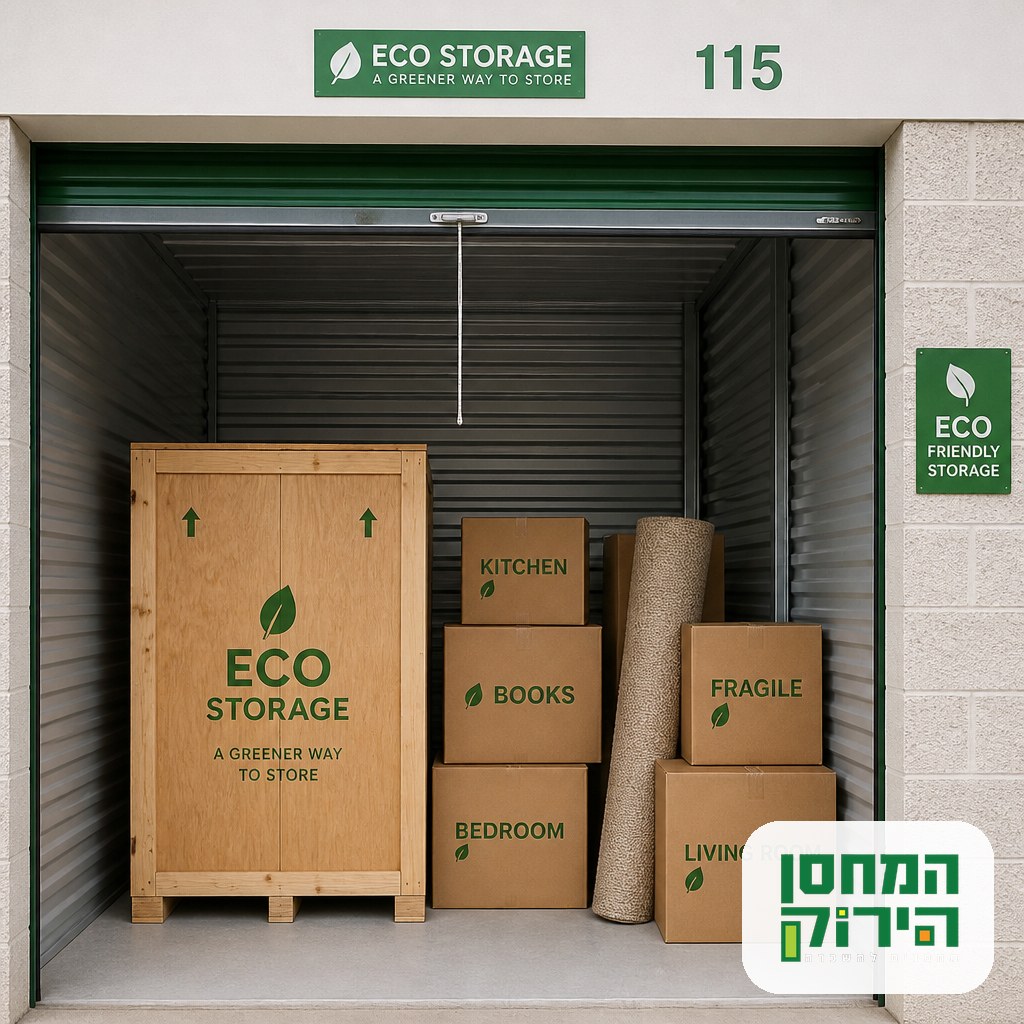
Size depends on volume rather than on the number of rooms you left behind, because most people ship a selection rather than a whole house. A useful way to estimate is to count the rooms whose contents are arriving in full, then add a little margin so you can walk in. You can compare the models and their exact measurements on the storage unit price list and match them to your packing list.
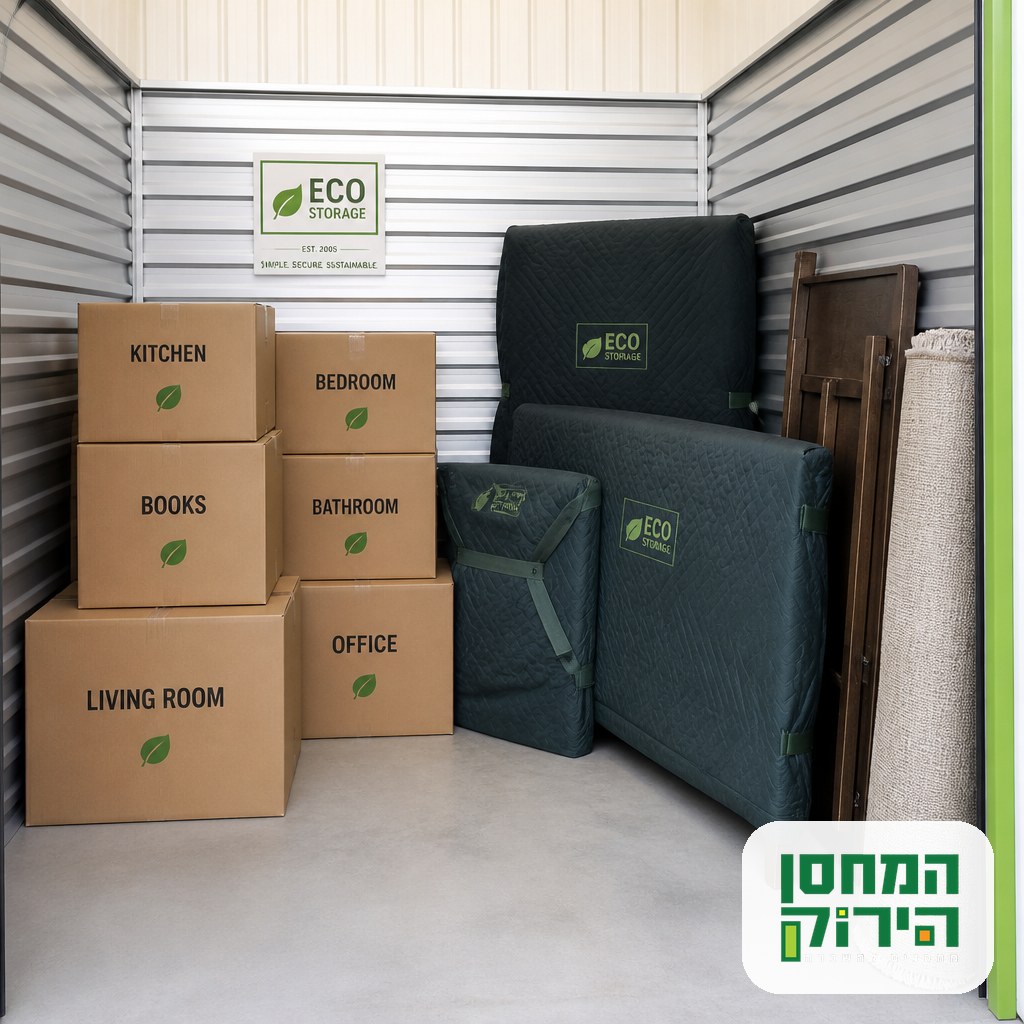
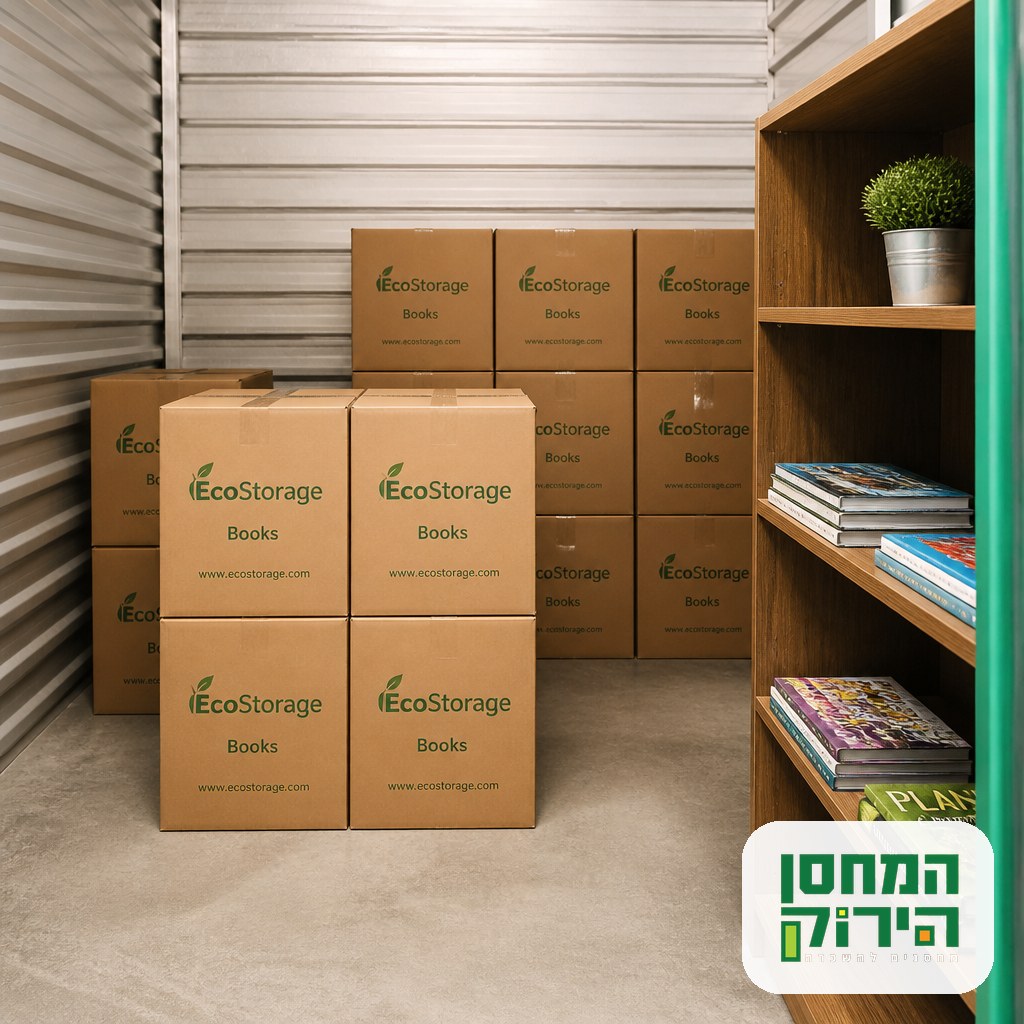
During an absorption year you will go back into the unit more than once, for a coat, a document or something a child suddenly needs for school. A unit packed solid to the door turns every small errand into an afternoon of unloading. Plan a narrow aisle down the middle on the first day and keep the boxes you expect to open at the front, because once it is full nothing moves.
Two practical criteria matter more than anything else for a new immigrant: how easy the place is to reach from wherever you are actually sleeping, and how flexible the term is. Both change as your housing search develops, so it is worth reading about how self storage units in Israel are rented before you commit to anything long.
Choose the branch that is convenient from your temporary accommodation, not from the neighbourhood you hope to end up in. Families in the centre usually work with the Tel Aviv branches, in Florentin and on Kibbutz Galuyot, while people in and around the capital use Kiryat Anavim at the Route 1 interchange, and the Sharon is served from Kibbutz Yakum. The full list of addresses and opening hours is on the branch locations page, and it is worth checking the hours of the specific branch before you plan a delivery.
A storage agreement in an absorption year should bend with your plans rather than lock them. These are the points worth reading carefully.
Contents insurance is not included in the rental price. It is bought as an add-on based on the value you declare, and the cover is comprehensive and includes earthquakes. For a household that crossed an ocean and will sit in one place for several months, declaring a realistic value is worth the small addition, because an understated declaration reduces exactly the payout you would need.

Making aliyah is a long list of things you cannot control, and the arrival date of a shipping container is one of them. What you can control is where your household waits while the rest falls into place: one organized unit, packed with an inventory, reachable from where you sleep, on a term you can extend or end as your housing search develops. If you are still deciding, read how we work with new immigrants and foreign residents and contact Green Storage for help matching a unit size to your packing list.
Reserve about four to six weeks before the estimated arrival date. Shipping dates move, and a unit that is already reserved means the delivery can go straight from the port without a detour. If your dates change, it is far easier to adjust a booking than to find space during a busy week.
Yes, and it is usually the simplest route because the household is handled once instead of twice. Coordinate the unloading window and confirm that a truck can reach the branch you chose. Bring your inventory list so the boxes go in numbered order and the first-month items stay at the front.
This is common and it is worth asking about before you sign. In most cases the rental continues without moving anything and without opening a new agreement. If you expect a long absorption period, compare the commitment tracks, because the longer track carries the lower monthly rate.
Insurance is not part of the rental price. Comprehensive contents cover, including earthquakes, is available as an add-on at ₪1.8 per ₪1,000 of declared value. For a full household shipment it is a small addition relative to what is inside the unit.
Yes. The unit is yours and it closes with your own lock, so you decide when to go in. Opening hours differ between branches, so check the hours of the branch you picked and plan the layout on the first day with an aisle you can walk down.

How can we help you today?