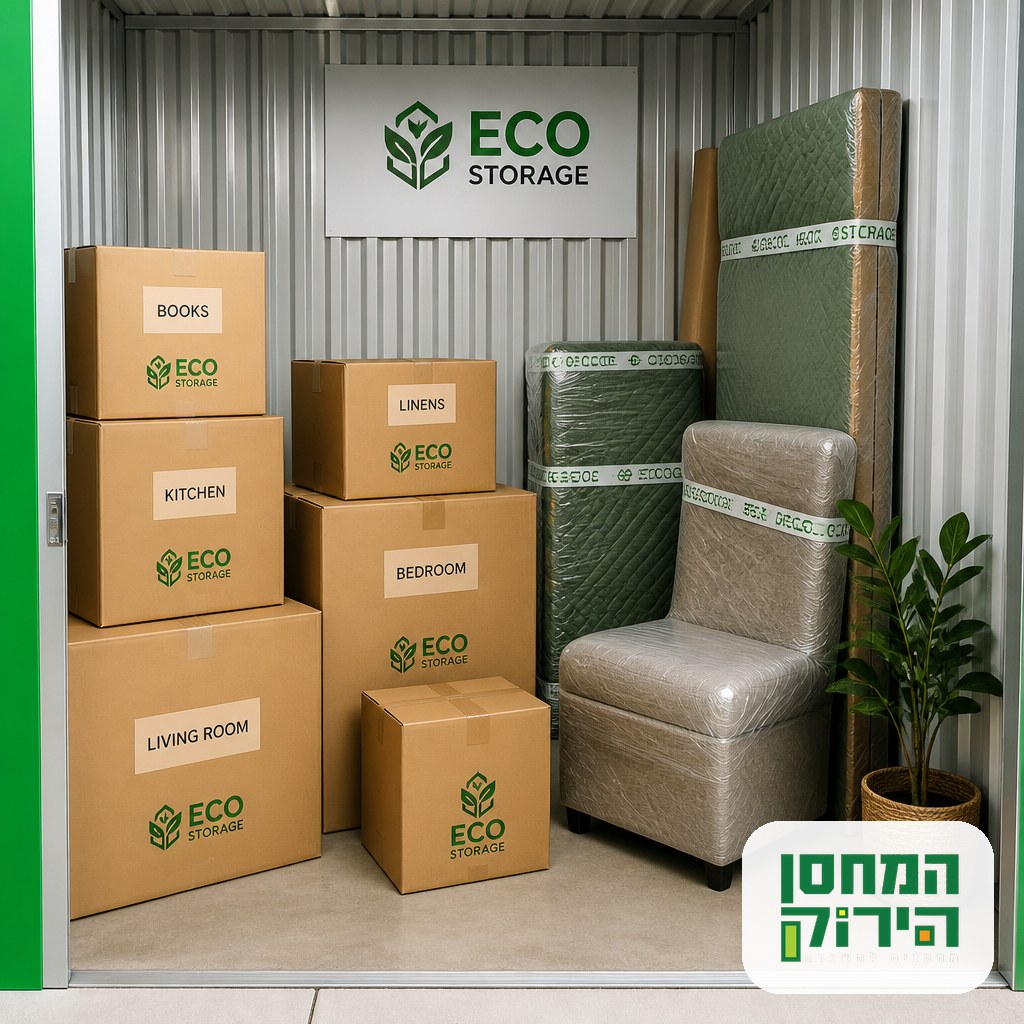
A storage rental agreement is the document that defines exactly what you get, for how long, and under which conditions. Many renters sign it quickly, assuming it is a formality, and only discover the details at the sensitive moment: when they want to extend the period or move their belongings out. If you are an expat, an oleh or a foreign resident renting storage in Israel, a few extra minutes of reading are worth even more, because the terms and the local rental culture may differ from what you are used to. This guide walks through every clause that matters and what to check before you sign.

Your agreement is far more than a receipt for a monthly payment. It defines who is responsible for what, when you can enter your unit, how the rental ends, and what happens in unusual situations such as damage, a late payment, or a need to move into a larger unit. In most cases you will find the contract fair and clearly written, and that is exactly why it is worth reading calmly before signing rather than afterwards.
The difference between a relaxed storage experience and an unnecessary argument almost always comes down to expectations. When the terms are clear from the start, you know your access hours, you know how to end the rental, and you know where the responsibility line sits. Full transparency is a strong sign of a serious operator: a facility that explains its agreement patiently and shows you the site before signing is usually a facility that runs the rest of its operation with the same care.
You do not need a lawyer to read a storage contract properly. Most agreements are built from a small number of topics, and once you know what to look for you can review the document in a few minutes. These are the clauses worth marking for yourself.
The first thing to check is the length of the commitment. Some agreements are signed for a fixed period, while others roll over month by month. Both models are legitimate and simply suit different needs. Someone in the middle of a renovation or waiting for a new apartment will prefer monthly flexibility, while someone who already knows their belongings will stay in storage for a year or more can match a long-term storage plan that gives certainty for the whole period.
What matters is that the term in the contract reflects your real need rather than the other way around. If you are not sure how long you will need the unit, say so up front and ask for a flexible track. A professional operator will adapt the period to your situation instead of locking you into time you do not need.
Almost every storage rental agreement includes a notice clause before the rental can end. This is the clause renters miss most often, and it is the one that shows up in the final invoice. Make sure you know how much notice is required, when the countdown starts, and in what form the notice must be delivered.
Ask three simple questions: how many days of notice are required, whether counting starts on the day you give notice or at the start of the following month, and whether there is a fixed date in the month the clause refers to. Clear answers to those three questions prevent nearly every misunderstanding at the end of a rental.
Give notice in writing, by email or text message, and keep a copy for yourself. Ask for confirmation of receipt. That small piece of documentation is worth more than any phone call, and it turns moving out day into a purely technical matter with no stress attached.
The liability clause defines who is responsible for what. Check which protection is offered for the goods you store, what is expected of you as the renter, and which items may not be stored at all, such as hazardous materials, fuel or perishable food. A good contract spells this out in plain language instead of hiding behind vague wording.
At Green Storage, stored belongings are protected by comprehensive insurance that also covers earthquakes, so even in an unusual event there is a clear answer and a clear address. This is exactly the kind of detail you want to see written into the agreement rather than left as a verbal promise.
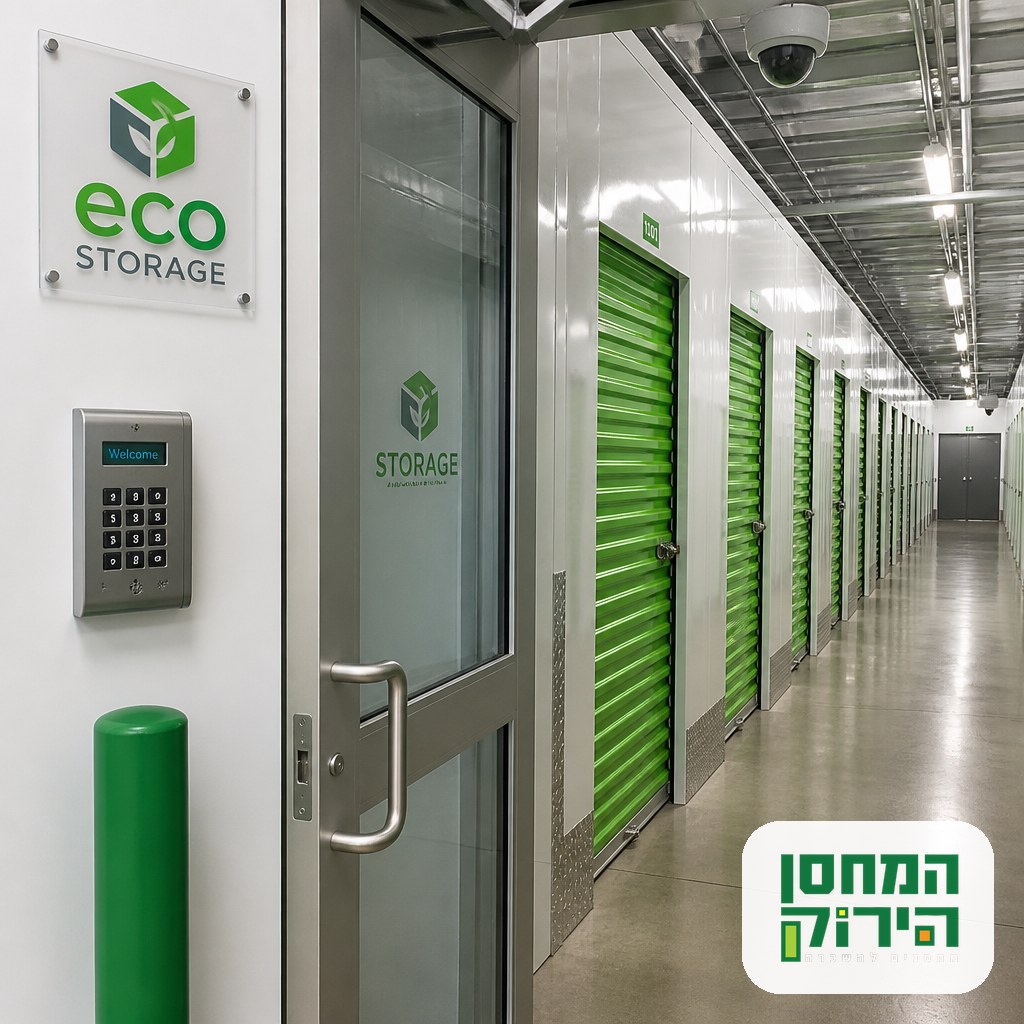
Your agreement should also describe the environment your belongings will live in. A well run facility will state its security measures, access hours and site rules. Before signing, go through this checklist and make sure every point is answered:
The best way to confirm that the written description matches reality is simply to visit the site before you sign. A short walk through the facility reveals in minutes what no document can tell you: whether the corridors are clean and well lit, whether the units are sealed and maintained, how entry to the site is managed, and whether the staff are available and professional. If anything during the visit is unclear, that is the moment to ask and to get the answer in writing.
It is also worth checking that the unit named in your agreement genuinely fits your volume. A good operator will help you estimate how much space you need before signing, and will show you the actual units available so you neither pay for empty space nor discover later that everything barely fits.
The agreement should be clear about how billing works: the monthly amount agreed, when it is collected, the payment method, and what happens if a payment is late. Make sure there are no surprises in the form of extra charges that were never discussed, and that every additional service you asked for, such as transport or packing materials, appears in writing.
To understand the range of costs before you reach the contract stage, look at our current price list and ask for a personal quote based on your volume and the length of storage you need. A detailed written quote is the best possible basis for a clear agreement.
Renting storage in a country that is not your own adds a few practical questions. None of them is complicated, but handling them early makes the whole process smoother:
A company renting space for stock, equipment or archives should check a few more points: whether deliveries can be received at the facility, whether access hours match business hours, whether the space can be expanded during busy seasons, and whether the conditions suit the type of inventory. Solutions for commercial and business storage can also include a storage container in an open yard, an option intended for business needs rather than for household belongings.
It is equally important to define in a business agreement who may enter the unit on the company’s behalf, and how that list is updated when an employee leaves. Managing access permissions properly saves awkward situations later on.
A good storage rental agreement is not an intimidating document. It is a tool that creates certainty for both sides. Once the term, the notice period, the liability, the access rules and the payment terms are clearly defined, all that is left is to store your belongings and get on with life. Green Storage offers secure, well maintained units, a transparent agreement explained in advance, and personal support throughout the rental. Contact us today and we will walk you through the terms and match the right storage solution to your needs.
In most cases yes, subject to the notice period set out in the contract. On flexible monthly tracks ending the rental is straightforward, and on fixed term tracks it is worth asking in advance what happens if your circumstances change. Always ask before signing rather than assume.
The required period varies between operators and is defined in the agreement itself. Check how many days are needed, when the count begins, and whether the notice must be given in writing. Sending clear written notice and keeping the confirmation prevents almost every dispute.
At Green Storage, stored belongings are protected by comprehensive insurance that also covers earthquakes. Cover is based on the value you declare, at a rate of 1.8 NIS per month for every 1,000 NIS of declared value, so it is worth arriving with a realistic estimate of what you are storing.
Usually yes. If the unit turns out to be larger or smaller than you need, you can normally move to a more suitable one in coordination with the facility. It is worth checking that this option is mentioned in the agreement, or at least confirmed in writing in advance.
You, and anyone you have explicitly authorised. The agreement should define the access procedure, who holds the key or the entry code, and the exceptional cases in which facility staff may enter the unit, for example for safety reasons or urgent maintenance.
Many operators in Israel work with an agreement written in Hebrew, and some can provide an English version or a written summary of the main terms. Ask before signing, and make sure the term, notice period, liability and payment clauses are all clear to you in a language you read comfortably.

How can we help you today?