Rocket damage to your home is one of the hardest things a family can go through. One moment you have a home, and the next there is dust, broken glass, damaged walls and a flood of questions: where do we sleep tonight, who pays for the damage, and what do we do with everything left inside a house we cannot live in. This guide was written for exactly that moment, especially for English speakers in Israel who may not know how the local system works. We will walk through the first steps, documenting the damage, the state compensation process, and the practical answer to the most urgent question of all: where to keep your belongings while your home is being repaired. The most important thing to know is this: there is a clear path, there is real help available, and most families do make it back home.

The first and most important rule: safety. Do not enter a damaged building until security and rescue forces confirm it is safe, even if the damage looks minor from outside. There may be shrapnel, broken glass, hidden structural damage or hazardous materials. Follow the instructions of the Home Front Command and the emergency teams on site, and wait for a municipal engineer’s approval before spending any real time inside.
In parallel, your municipality usually operates an emergency center that helps arrange temporary housing for families whose homes were hit. Do not hesitate to ask for help, that is exactly what it exists for. In the first days, focus on what truly matters, and when a short approved visit to the house becomes possible, take these things first:
Before anything is moved, cleaned or thrown away, document it. Your documentation is the foundation of the compensation claim, and the more organized it is, the faster and simpler the process will be.
Photograph the house exactly as it is, room by room: wide shots of every room, then close-ups of each damaged item. Record a continuous video walking through the rooms as well. These photos are worth gold when the assessor arrives, because they show the true state of things before any cleanup began.
Go through the house methodically and write down every damaged item: what it is, roughly when it was purchased, and what it would cost to replace today. Organize the list by room. It makes the assessor’s work easier and helps you forget nothing.
Locate receipts and invoices for expensive items, including digital ones from your email or online stores. No receipt? An old photo of the item in your home, or an exact model name that can be priced, helps too.
Do not discard destroyed items before the assessor has seen them or you have received explicit approval to clear them. An item thrown away without documentation is an item that is very hard to get compensated for.

In Israel, direct damage to a home and its contents from a rocket strike is handled by the Compensation Fund of the Israel Tax Authority, known locally as mas rechush, not by your private home insurance. You file a claim with the Tax Authority, a state assessor evaluates the damage to the building and the contents, and compensation is set according to the assessment and the rules defined by law. The process starts with opening a claim, and after large events dedicated assistance centers are usually opened for affected residents.
One important habit throughout: keep every receipt for expenses caused by the strike, including moving, temporary storage of your belongings and accommodation. Some related expenses may be recognized as part of the claim, and exact eligibility is decided by the Tax Authority case by case. Better to have a receipt and not need it than the other way around. If your case is complex, consider consulting a professional who specializes in these claims.
The process is simpler than it sounds, especially if your documentation is in order. In most cases it looks like this:
After widespread events, fast-track procedures and dedicated help centers often shorten the process considerably, so check what is available in your area in real time rather than assuming it will take long.
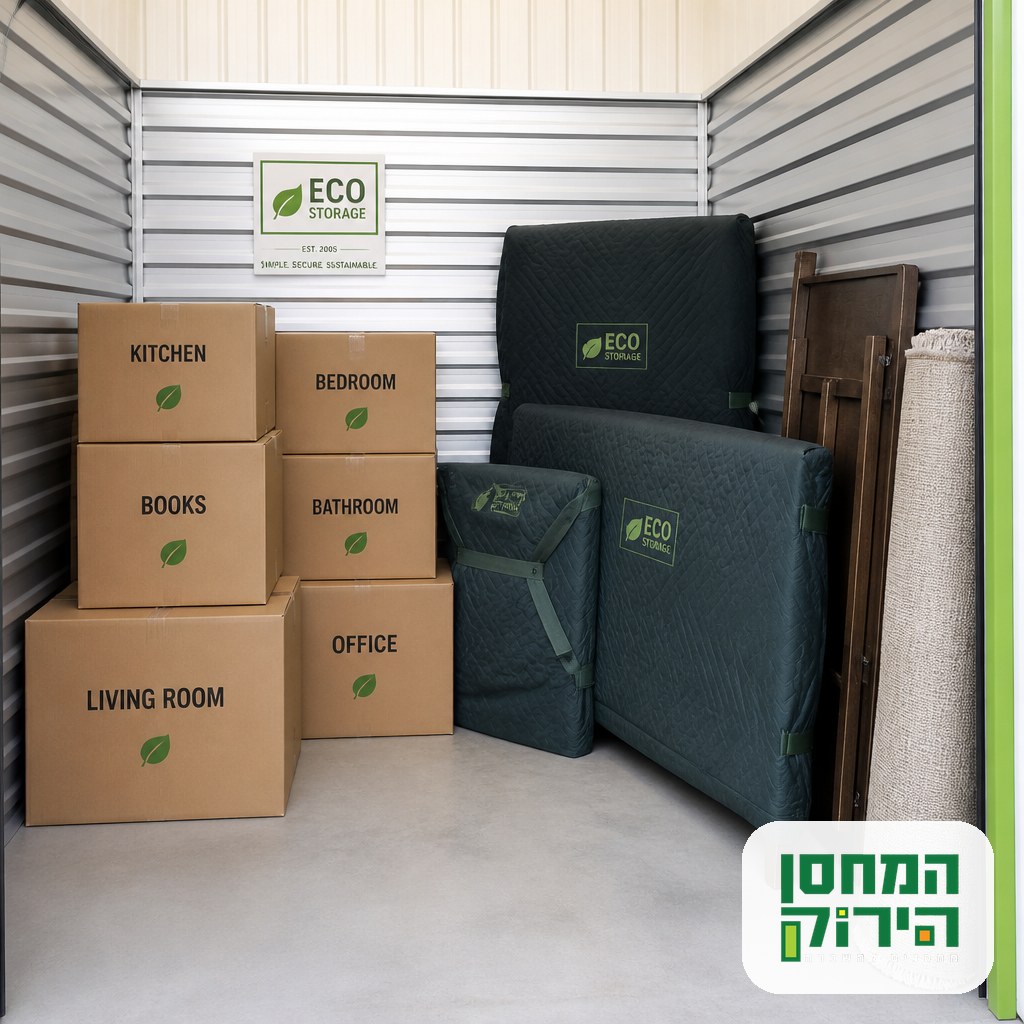
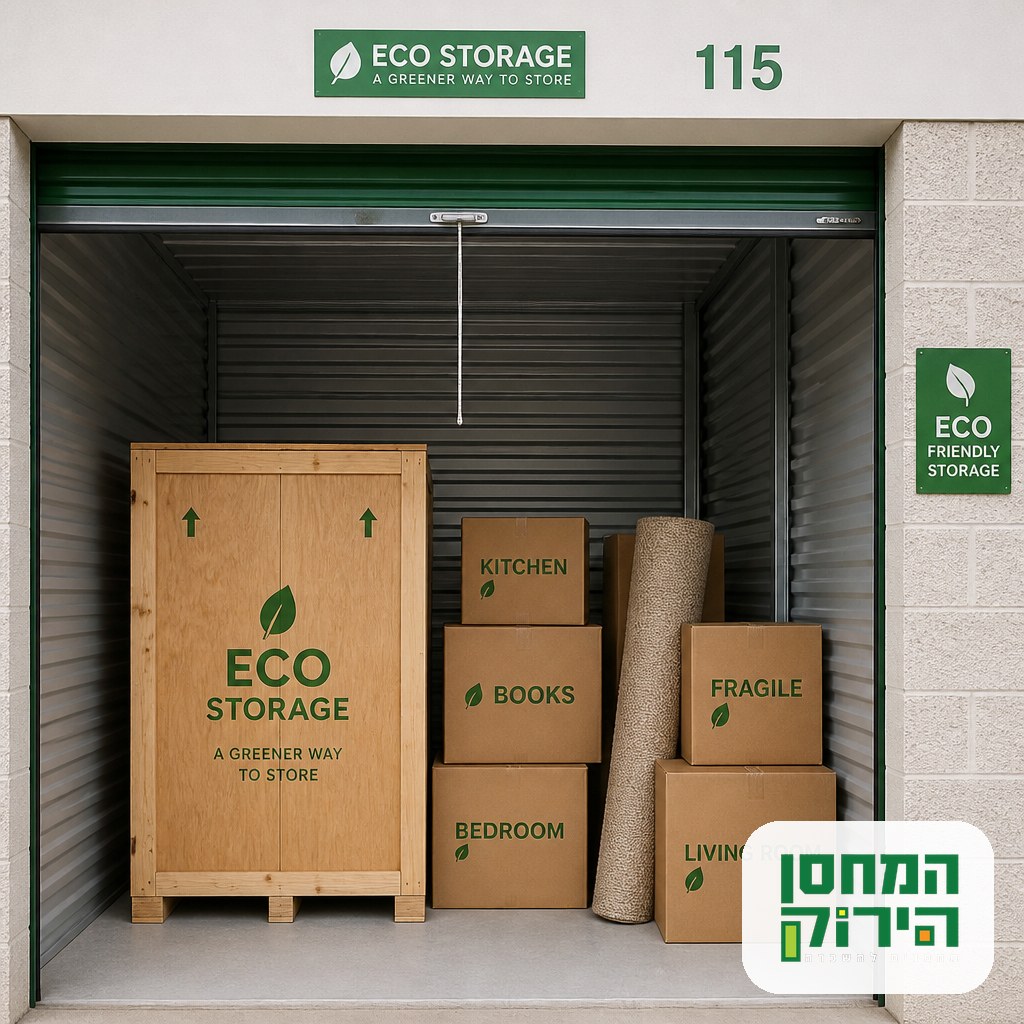
Once the assessor has finished and the house moves into repair mode, the practical question arrives: what to do with everything that survived. Renovation after a strike usually takes months, and during that time your home is a construction site: renovation dust, workers coming and going, broken windows and sometimes exposure to rain. Your temporary housing, whether a hotel room or a small rented apartment, cannot hold the contents of a full home either. A temporary storage unit solves both problems at once: your belongings are safe, secure and out of the renovation’s way, and you are free to focus on the recovery itself.
There is also a concern people talk about less: a damaged home is an exposed home. Shattered windows, a bent door or a breached wall leave whatever remains inside vulnerable to theft and weather, exactly during the period when you are not there to watch over it. Moving the undamaged contents into secure self-storage units with cameras and access control takes that worry off your list, and lets the renovation crew work faster in an empty house.
Storage after a strike is different from ordinary moving storage, because some items were exposed to dust, shrapnel or water from firefighting. A few simple rules will make sure your belongings leave the unit in the same condition they entered:
For a recovery period of unknown length, monthly flexible storage gives your belongings a temporary home for exactly as long as the repairs take. It is also worth considering contents insurance for stored belongings based on declared value, for peace of mind during a period that is stressful enough already.
The contents of an average four-room apartment usually fit in a unit of 8 to 12 cubic meters, and a smaller apartment often needs only 4 to 6 cubic meters. If part of your contents was destroyed in the strike, you may need less space than you think. Rental is monthly and flexible, with no long-term commitment, which is exactly what you need when the pace of repairs is still unknown. You will find current prices by unit size in our full storage price list, and professional movers can collect your belongings directly from the damaged home.

Rocket damage to your home is a real upheaval, but it has an orderly path: safety first, thorough documentation before anything is moved, a claim with the state Compensation Fund, and a temporary storage unit that keeps your belongings safe until your home is ready to welcome you back. At Green Storage we accompany families through exactly these moments: an immediately available secure unit, professional moving from the damaged home and full flexibility on the storage period. Contact us today and we will help you close this part of the recovery, so you can focus on what really matters: getting back home.
Some expenses related to the damage may be recognized as part of the compensation claim, depending on the Tax Authority’s rules and the circumstances. The practical rule: keep every receipt for moving, storage and accommodation, and present them in your claim or ask the Tax Authority representative directly.
Not before documenting them. Photograph every destroyed item, include it in your inventory list, and wait for the assessor’s visit or explicit approval to clear it. An item discarded without documentation may simply not be included in the compensation.
In emergencies a unit can usually be ready the same day or within a few days, including coordinated movers who collect your belongings directly from the home. Mention that you are relocating contents after a strike, so the solution can be matched to your situation.
Dry them fully before storage: remove upholstery covers where possible, air everything out for a few days and only then pack. An item packed while damp develops mold that can spread to the rest of your stored belongings.
You can add contents insurance based on declared value for the entire storage period, covering fire, natural disasters, water damage and burglary. Direct damage from hostile action is handled separately by the state Compensation Fund.
There is no need to commit in advance. Rental is monthly and renews as needed, so you can start with one month and extend at the pace of the repairs. After a strike, most families store for somewhere between 3 and 12 months.

How can we help you today?