Mold in storage is the quiet enemy of everything you put away. Unlike theft or breakage, which you discover immediately, humidity damage develops slowly and silently: a small stain on the back of the sofa, a musty smell in a box of clothes, photo album pages stuck together. By the time you notice, the damage is done, and often it cannot be undone. The good news is that this is one of the most preventable problems in storage. In this guide we explain why humidity builds up in storage spaces, how it turns into mold, which items are most at risk, and exactly what to do at the packing stage, during storage and when choosing a facility, so your belongings come back to you exactly as you left them. It matters everywhere, but especially in Israel’s humid coastal climate.
Humidity is water vapor, and it exists in the air everywhere, including inside a closed storage space. Trouble starts when relative humidity stays above 60 percent for long periods, or when temperatures swing sharply between day and night and between seasons. Warm air holds more moisture, and when it cools down at night, that moisture condenses into tiny droplets that settle on your furniture, on the walls and on the floor. This is exactly what happens in uninsulated sheds, in shipping containers standing in the sun, and in damp basements.
Mold itself is a fungus that needs three things to thrive: moisture, comfortable temperatures and organic material to feed on. A typical household provides plenty of that material: wood, fabric, paper, leather, cardboard and glue. Once humidity rises, the mold spores that exist naturally in the air begin to multiply, and within a few weeks a small spot becomes a colony spreading from one item to the next. In the Israeli summer, when coastal cities are especially humid, the process is even faster.
Upholstered furniture, mattresses, rugs and clothing are mold’s favorite habitat. The fungus works its way into the fibers, leaving black or greenish stains and a musty smell that is almost impossible to remove. Leather dries out, peels and develops a white bloom. In advanced cases an entire sofa needs reupholstering, and the repair costs far more than prevention ever would.
Paper absorbs moisture from the air quickly. Books swell and warp, pages stick together, important documents yellow and crumble, and printed photos glue themselves to album pages until they cannot be separated without tearing. Painfully, the items with the highest sentimental value, albums, letters and family keepsakes, are the most vulnerable of all.
Moisture condensing on metal surfaces causes rust: screws, hinges, tools and furniture legs corrode and leave stains. With electronics the damage is even worse, because dampness attacks circuit boards and internal components. A refrigerator, washing machine or television stored in a humid space may simply not work when it comes out of storage.
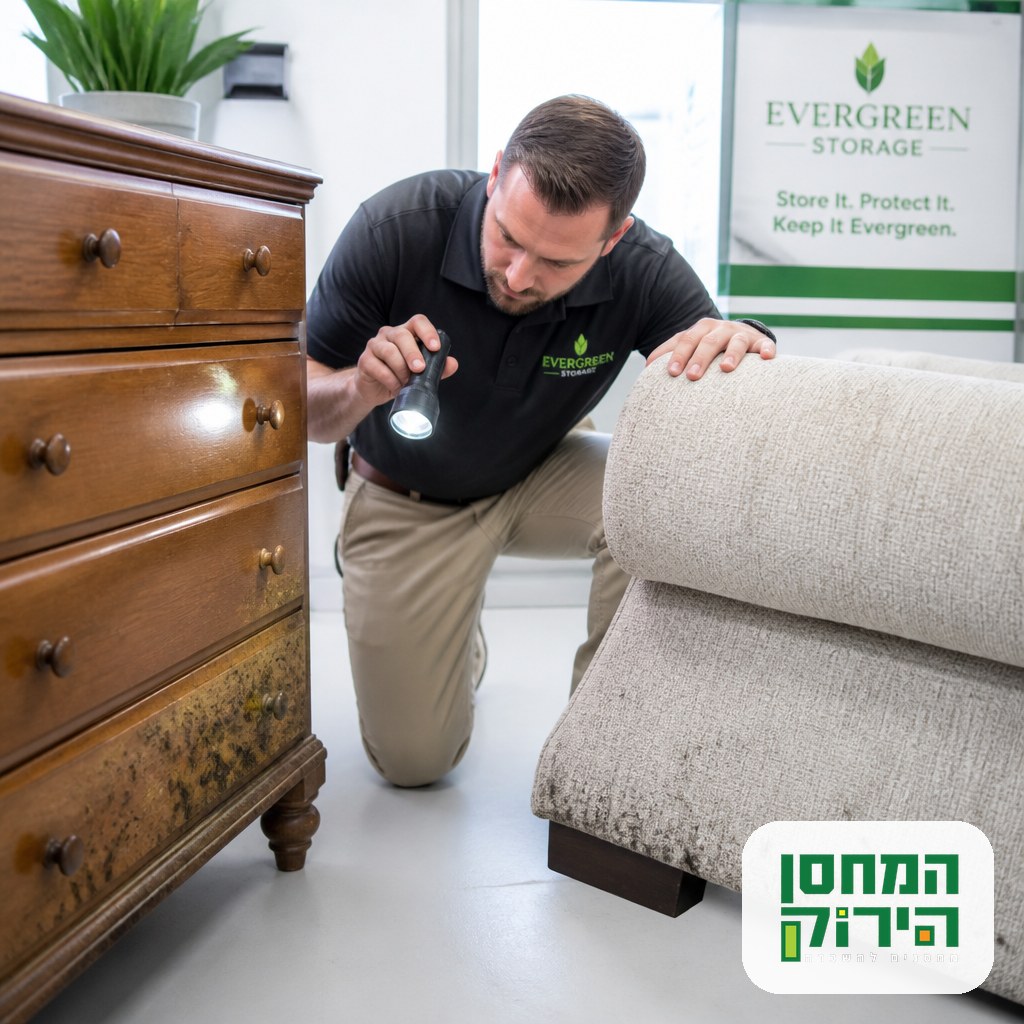
Not everything is equally sensitive. Plastic, glass and coated metal are fairly resilient, but one group of items demands special attention before storage: solid wood and veneer furniture, upholstery and mattresses, clothes and shoes, books and documents, electronics, musical instruments and artwork. If your belongings include anything from this list, the preparation and packing stage is critical.
Wood is a living material that breathes and reacts to its surroundings: it absorbs moisture, swells, warps, and later cracks when it dries out too suddenly. Upholstery pressed against damp wood becomes a greenhouse for mold. That is why preparing each piece correctly, before it ever gets on the truck, is the foundation of safe long-term keeping, whether you handle the move yourself or bring in professional movers.
Before packing, examine every piece up close in good light: flip the sofa and check underneath, open the wardrobe doors and smell the inside, inspect the backs of furniture that stood against a wall. A piece that enters storage with active mold will infect everything around it, so the time to catch the problem is before storage, not after.
Watch for three signals: a faint musty smell even when nothing is visible, tiny dark dots in corners and seams, and a slightly damp feel when you touch fabric or wood. Each of these means the item has already absorbed moisture and must not be packed as it is.
Clean it thoroughly with a water and vinegar solution or a dedicated anti-mold product, dry the item completely in the sun and open air for a day or two, and only then pack it. If the stain returns after cleaning, consult an upholstery specialist or leave that item out of storage so it does not endanger the rest.
Good preparation is 80 percent of prevention. These are the recommended steps before any storage period, short or long:
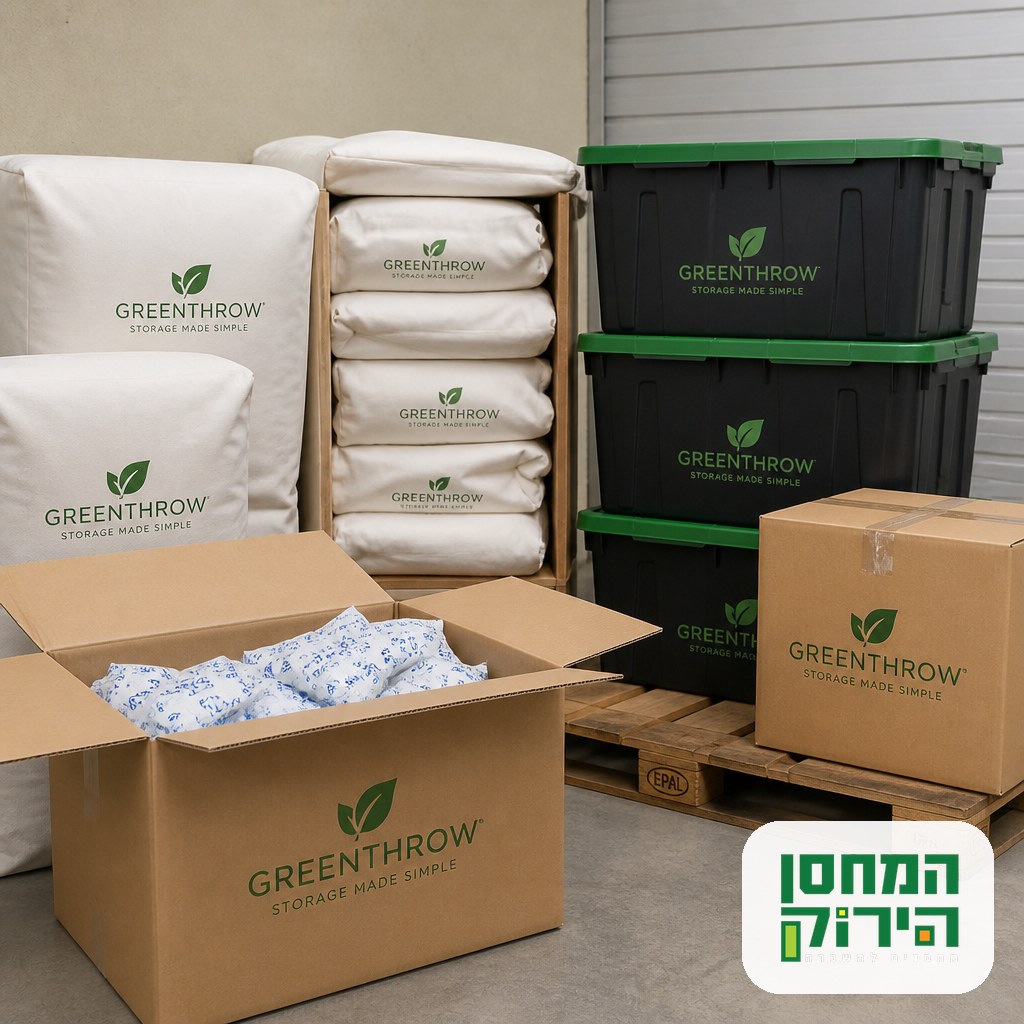
The most common mistake is wrapping everything in cling film or airtight bags. Plastic does block water from the outside, but it also traps the moisture the item itself releases, creating a greenhouse effect that accelerates mold. Adopt these rules instead:
If you are storing the contents of an entire home, for example during a move, a renovation or relocation, consider a full-service option that includes professional packing. An experienced crew arrives with the right materials and knows exactly how to protect each type of item before it goes into long term storage.
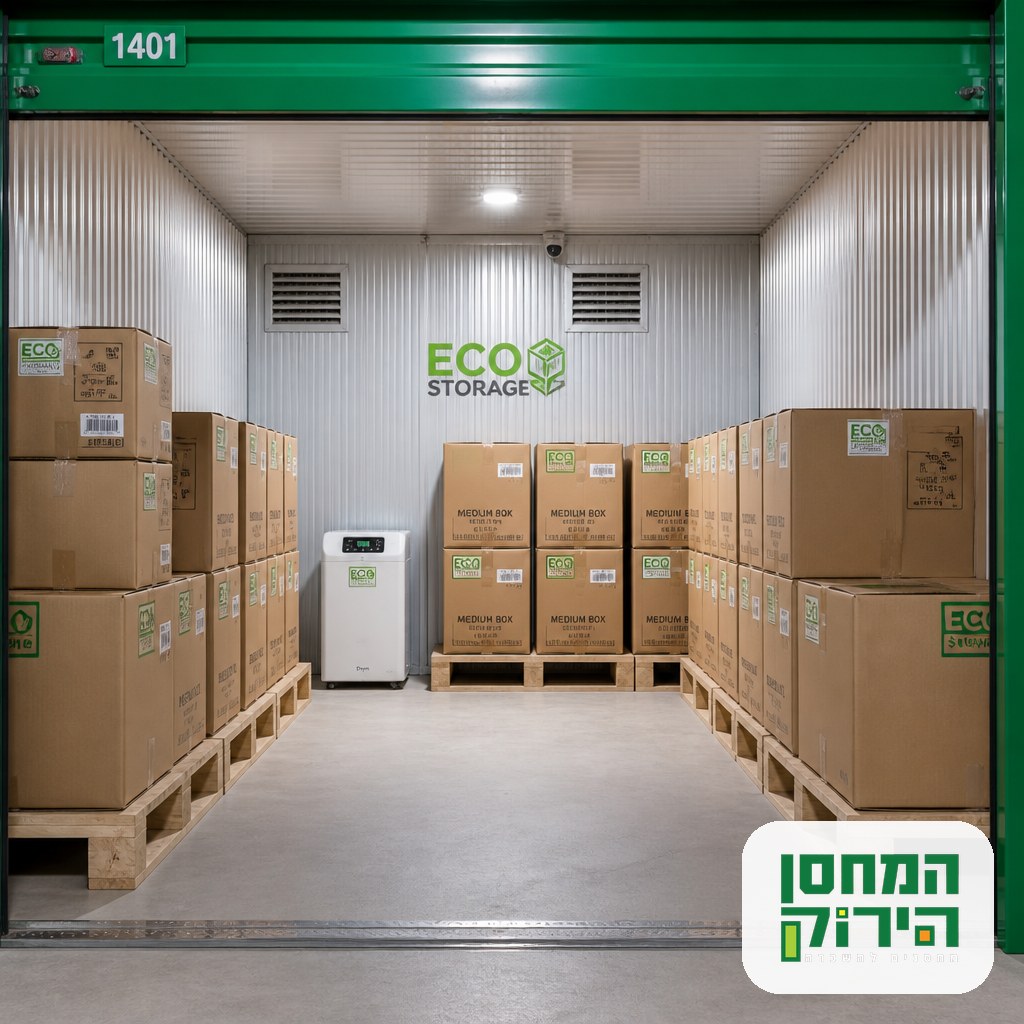
Even the best packing will not save belongings kept in a damp place. Before signing a storage contract, check the conditions in person: is the building insulated and dry? Is there regular ventilation? Is the floor raised and sealed against moisture? A basement storeroom, a container standing in the sun or a cheap unmaintained warehouse can end up costing you dearly. Professional self storage units offer exactly what your belongings need: an insulated building, ventilation, cleanliness and routine maintenance, plus contents insurance in case something still goes wrong.
One more tip: if you can choose, move your belongings in on a dry day rather than a rainy or especially humid one. Items packed and transported in the rain absorb moisture before they even reach the unit. It is also worth visiting your unit every few months to air it out and confirm everything is staying dry.
Humidity and mold are the number one cause of damage to stored belongings, and also the easiest to prevent: clean and dry everything before packing, use breathable materials, raise items off the floor, and choose an insulated, ventilated, well-maintained facility. At Green Storage you will find clean, dry storage units with ventilation, routine maintenance, contents insurance and professional guidance from packing to pickup. Contact us today for a personal quote, and we will make sure your belongings stay dry and protected for the entire storage period.
Above 60 percent relative humidity over time, the risk of mold rises sharply. The ideal range for household storage is 40 to 55 percent, with temperatures kept as stable as possible through the day and across seasons.
The opposite. Sealed plastic traps the moisture the furniture naturally releases and creates a closed, humid environment that speeds up mold. Use breathable fabric covers, and keep plastic wrap only for scratch protection during the move itself.
In hot, humid conditions, mold spores begin multiplying within 24 to 48 hours, and visible stains appear within one to two weeks. That is why it is critical that every item enters storage completely clean and dry.
Remove the affected items promptly, air and dry them in the sun, and clean them with a dedicated anti-mold product or a vinegar solution. Check the neighboring items too, and find the source of the moisture before returning anything to storage.
Not always. For most belongings, an insulated, dry and ventilated unit combined with correct packing is enough. Climate-controlled storage is recommended for especially sensitive items such as antiques, musical instruments, wine and artwork, or for storage lasting years.

How can we help you today?