Self storage in Israel has grown from a niche service into a solution that thousands of families, expats and businesses rely on every year. The idea is simple: you rent a private storage unit for as long as you need, put in whatever you need to store, and keep full control over your belongings. For English speakers in Israel, whether you are an oleh chadash still deciding what to ship, a foreign resident between apartments, or a family that simply ran out of closet space, understanding how the local storage market works can save you real money and real stress. In this guide we explain what self storage is, how the rental process works in practice, how to choose the right unit size, what affects the price and who this solution genuinely suits.

Self storage is a straightforward model: a professional storage facility divided into units of different sizes, from small units of one or two cubic meters up to spaces that hold the contents of an entire home. You rent exactly the volume you need, for exactly the period you need, and pay only for what you actually use. Unlike a ground-floor storeroom, a friend’s basement or a shipping container in a yard, a professional facility offers conditions built specifically for protecting belongings: security, cleanliness, ventilation, protection from damp and pests, and contents insurance.
It is also worth knowing the difference between classic self storage, where you bring, arrange and collect everything yourself, and managed storage with full service, where the company also takes care of packing, transport and arranging the unit. In Israel a combined model is common: a private unit of your own, plus professional moving and packing services if you want them. You choose how much of the work to do yourself and how much to leave to professionals, which is especially helpful if you are new to the country and do not yet have a van-owning friend to call.
One of the biggest advantages of self storage is how simple the process is. This is what it usually looks like:
Size is the most important financial decision: a unit that is too big is wasted money, and one that is too small forces you to cram and compromise. The simple rule: calculate the volume of your belongings in cubic meters, then add a small margin for comfortable access.
Go room by room and list the large items: sofa, beds, wardrobes, appliances, then add an estimate for boxes. A three-seat sofa takes roughly 1.5 cubic meters, a family refrigerator about one, and a disassembled double bed less than one. Any good storage company will gladly help you calculate based on your inventory list.
The full contents of a typical four-room Israeli apartment, including furniture, appliances and around forty boxes, usually come to between 20 and 30 cubic meters. If you are storing only part of your belongings, for example during a renovation of two rooms, a unit of 8 to 12 cubic meters is usually enough.
Disassembling large furniture and stacking correctly in height can save a quarter to a third of the volume, which translates directly into a lower monthly price. Pallets and shelving inside the unit help you use every centimeter.
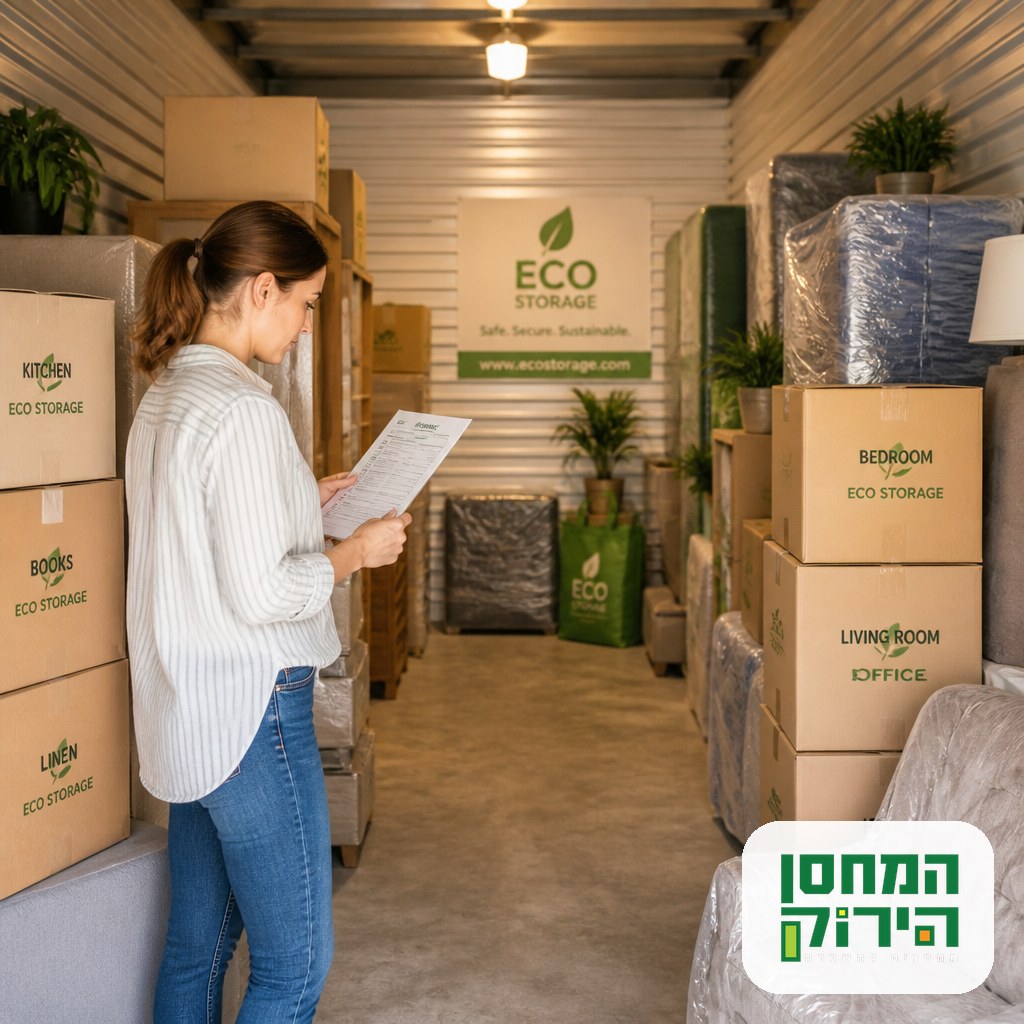
The common scenarios are moving apartments with a gap between lease dates, a renovation that requires emptying rooms, relocation abroad for a period, downsizing to a smaller home, or simply a house that filled up. Expats and olim have their own classic cases: belongings that arrived by container before the permanent apartment is ready, or furniture worth keeping while you spend a year abroad. For short transitions there are flexible monthly plans, and for a longer stay abroad, long term storage keeps everything safe for years at a better monthly rate.
Many businesses use storage units as a cheap, flexible alternative to a logistics warehouse: inventory for an online shop, seasonal stock overflow, document archives, exhibition equipment and tools. Instead of committing to renting an entire warehouse with property tax and electricity, you rent exactly the volume you need and scale up or down with the season. It is a simple way to grow without dragging heavy fixed costs behind you.
Before self storage existed in Israel, the usual solutions were a building storeroom, a relative’s basement or a container in a yard. Each has a hidden price: building storerooms are small, damp and unsecured; at a relative’s place your belongings depend on someone else’s goodwill and are hard to reach; and a container standing in the Israeli sun heats up to extreme temperatures and is unsuitable for household contents. A professional facility solves all of this in one place: controlled conditions, round-the-clock security, contents insurance, and full flexibility in size and duration. The biggest advantage is peace of mind, knowing your belongings are kept in the right conditions and that you can reach them whenever you need.
The price is determined by three main factors: the size of the unit in cubic meters, the length of the storage period, and the extra services you choose, such as moving, packing and extended insurance. The smaller the unit and the longer the period, the lower the monthly price per cubic meter. Compare like with like: an unusually low price may hide an unsecured facility with no ventilation and no insurance. The best way to know exactly what you will pay is to ask for a personal quote based on your actual inventory list, and to review the full storage services and options before you decide what to include.
Not all facilities are created equal, and the differences show up exactly when you need them. Before you sign, verify these points:
Location matters too: a facility close to home or work saves time on every visit. If you live in the center of the country, for example, storage rentals in Tel Aviv keep your belongings within a short drive. And never close a deal based on photos alone: ask for a short tour, and within ten minutes you will know more than any website can tell you, how the units look inside, whether the corridors are clean and lit, and whether the air smells dry.
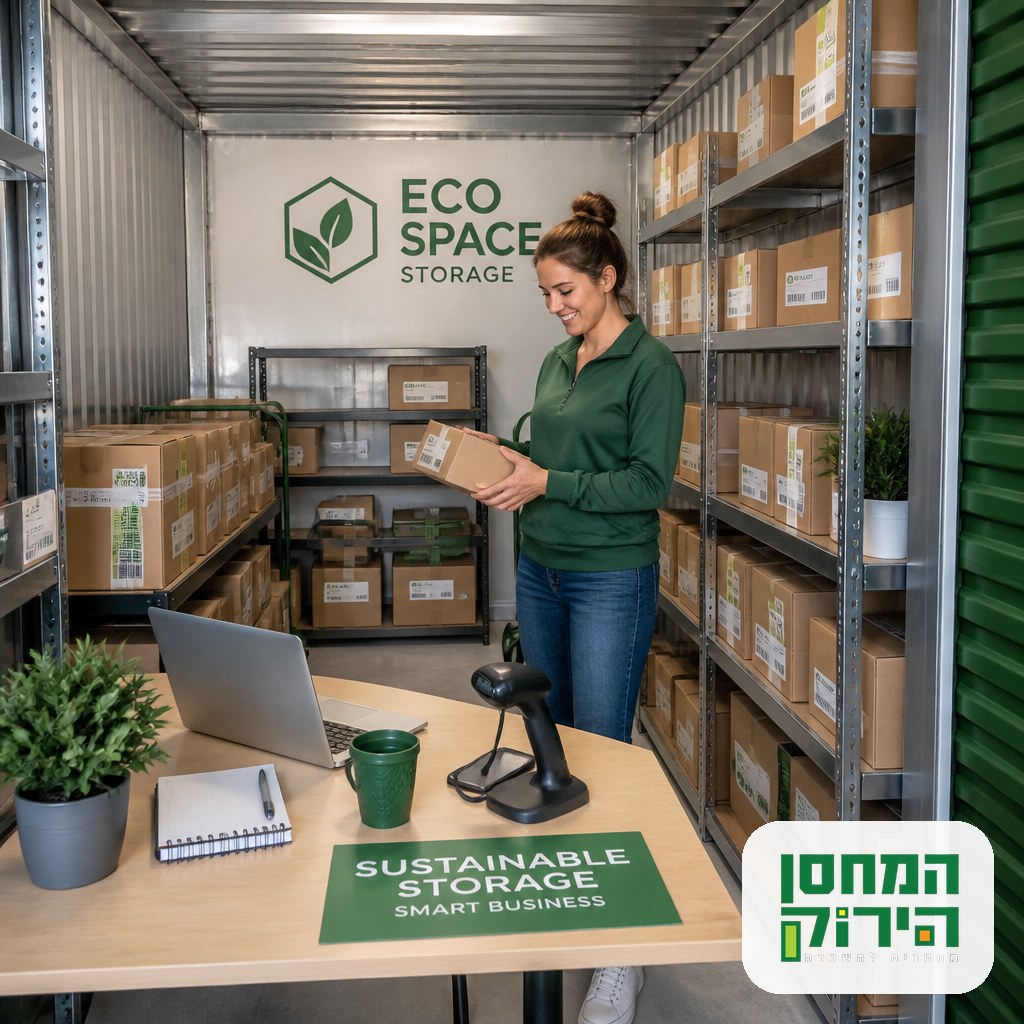
Self storage is the simple, flexible way to free up space at home or at work without giving anything up: you rent exactly the volume you need, for the period you need, with security, insurance and professional storage conditions. At Green Storage you get personal guidance in English on choosing the unit size, moving and packing services, and full flexibility all the way. Contact us today, tell us what you need to store, and you will receive a personal quote in no time.
The principle is similar, but self storage refers to a professional facility divided into units of many sizes, with security, cleanliness and insurance, where you pay only for the volume you use. A regular storage rental is usually a single space of fixed size, without the supporting services.
Yes. Your belongings remain yours and are available throughout the period, with simple coordination with the facility. If you know in advance that you will need frequent access, mention it when moving in, so the items you need are stored close to the unit entrance.
Any period you like: from a single month during a move, through several months of renovation, to years of relocation or long term storage. The contract is flexible, and you can extend or end it on short notice.
At a professional facility, yes. Before signing, ask what contents insurance is offered, check the coverage amount, and declare unusually valuable items such as art or expensive equipment in advance.
Absolutely. Facilities that serve international customers offer service in English, from the first quote to the rental agreement. It is worth confirming that the contract you sign is one you fully understand, and that the staff can assist you in English throughout the period.
The rules are similar everywhere: no flammable or hazardous materials, no perishable food that can attract pests, no animals or plants, and nothing illegal. Exceptionally valuable items such as jewelry or cash require special insurance arrangements, so declare them in advance.

How can we help you today?