A posting, a degree, a startup role or a year with family overseas all end with the same evening in an Israeli apartment, surrounded by everything you own and a flight in two weeks. Storage while abroad is the part of the move most people plan last, although it is the part that decides how expensive and how stressful the whole year will be. The question is never only where the furniture goes. It is whether you keep paying rent on an apartment you are not living in, and what happens to your things if the return date moves.

The first decision is financial and it is usually the easy one once you write the numbers down. Holding an empty rental in Tel Aviv, Jerusalem or the Sharon for a year costs many times more than a storage unit for the same period, and you carry the risk of the landlord selling, raising the rent or refusing to extend while you are seven time zones away. Clearing the apartment and storing the contents turns a recurring rent bill into a much smaller monthly line that you can stop the week you land.
Subletting sounds like the middle path, and sometimes it is, but it rarely covers what people expect. You still owe the landlord if the subtenant leaves, your furniture is being used by someone you cannot supervise, and you need a person in Israel willing to handle problems. If you do sublet, most people still take the personal and valuable items out of the apartment first, which means you need a unit either way, only a smaller one.
Time is the variable people underestimate. A two week move forgives sloppy packing. Two years does not. Cardboard sitting directly on a floor absorbs moisture, a sofa pressed against a wall for twenty months keeps the mark, and a fridge closed while still damp inside comes back with a smell that never leaves. Almost every complaint about long storage traces back to how the items were prepared on day one, not to the unit itself.
Furniture volume, not box count, sets the size you need. A sofa, a dining table, a wardrobe and a mattress fill a unit far faster than forty boxes of books and kitchenware. Before you book anything, list the large pieces and be honest about which of them you actually want to see again when you come back.
Flat pack furniture that has already been assembled and dismantled once, a mattress near the end of its life and a sofa you were planning to replace anyway are rarely worth two years of storage. Selling or giving them away before you fly is faster than dealing with them from abroad, and it often drops you one unit size.
Passports, contracts, diplomas and anything you may need to sign remotely should travel with you or stay with a family member, not go into a unit. Devices should be backed up, wiped of anything sensitive and stored in their original boxes where possible. Remove batteries from remotes and toys, because a leaking battery is one of the few failures that damages the items around it.
Most people leave Israel with a date in mind and come back on a different one. A contract that ends on a fixed day and charges a penalty for leaving early is the wrong shape for this trip. What you want is the ability to extend in continuity without moving anything, and to end the period when you actually land. That is the practical difference between a long lease and a storage arrangement, and it is worth asking about in the first phone call.
This is the question that separates a smooth year from a difficult one. Decide in advance who in Israel is allowed to open the unit, whether a sibling needs the winter coats or a friend is collecting a document you forgot. Write it down, give that person a copy of the key and make sure the arrangement is registered with the branch before you fly, rather than improvising it by email from another continent.
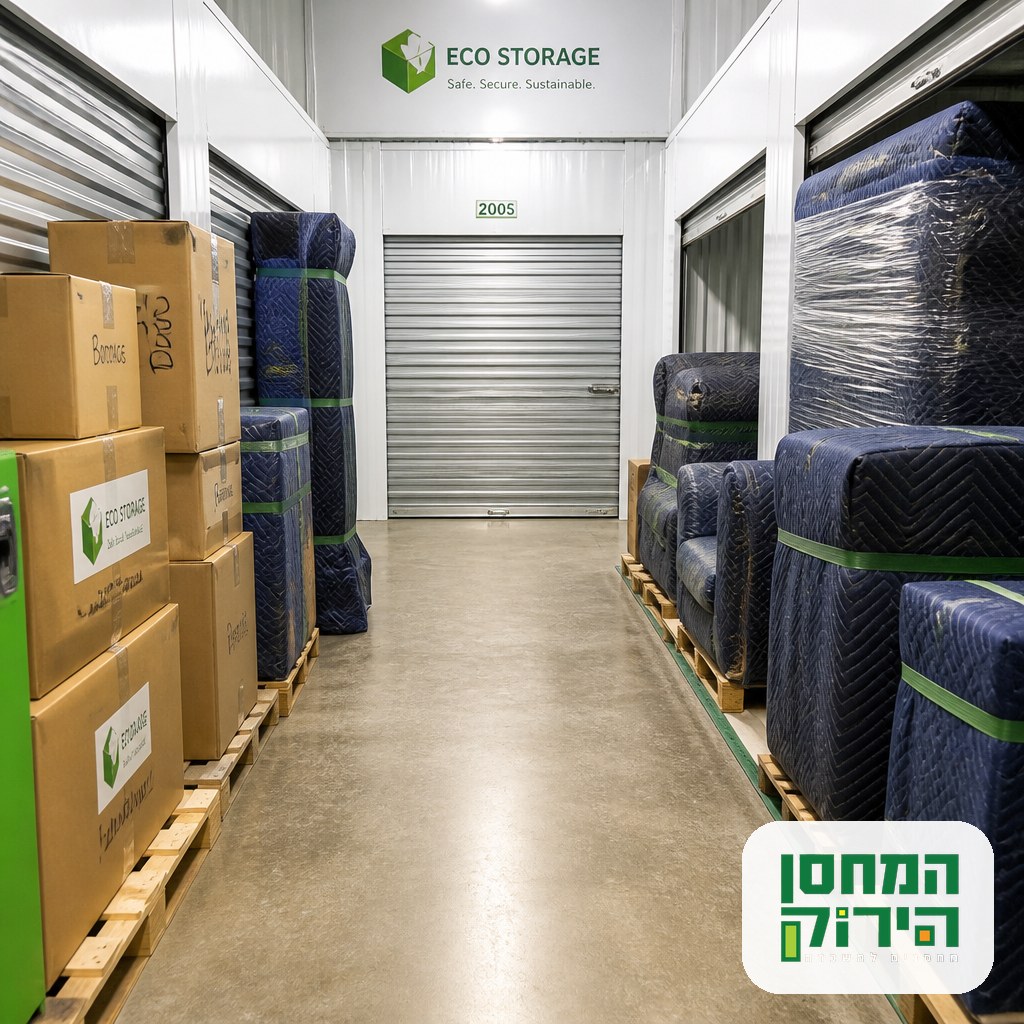
When you are in the country you can fix a bad storage decision in an afternoon. From abroad you cannot, so the choice matters more. Indoor units inside a closed building, raised off the floor, behave very differently over two years than a yard or a shed. Compare the size guide on the long term storage page and pick one size up from the minimum, because a unit you can walk into is a unit someone can actually help you with later.
Location matters less than people think for a long stay, since nobody is visiting weekly. What matters is truck access for the day you move in, a branch that answers the phone, and a clear written record of what you are paying for. The storage units in Israel overview explains how the models map to apartment sizes, from a studio to a full house.
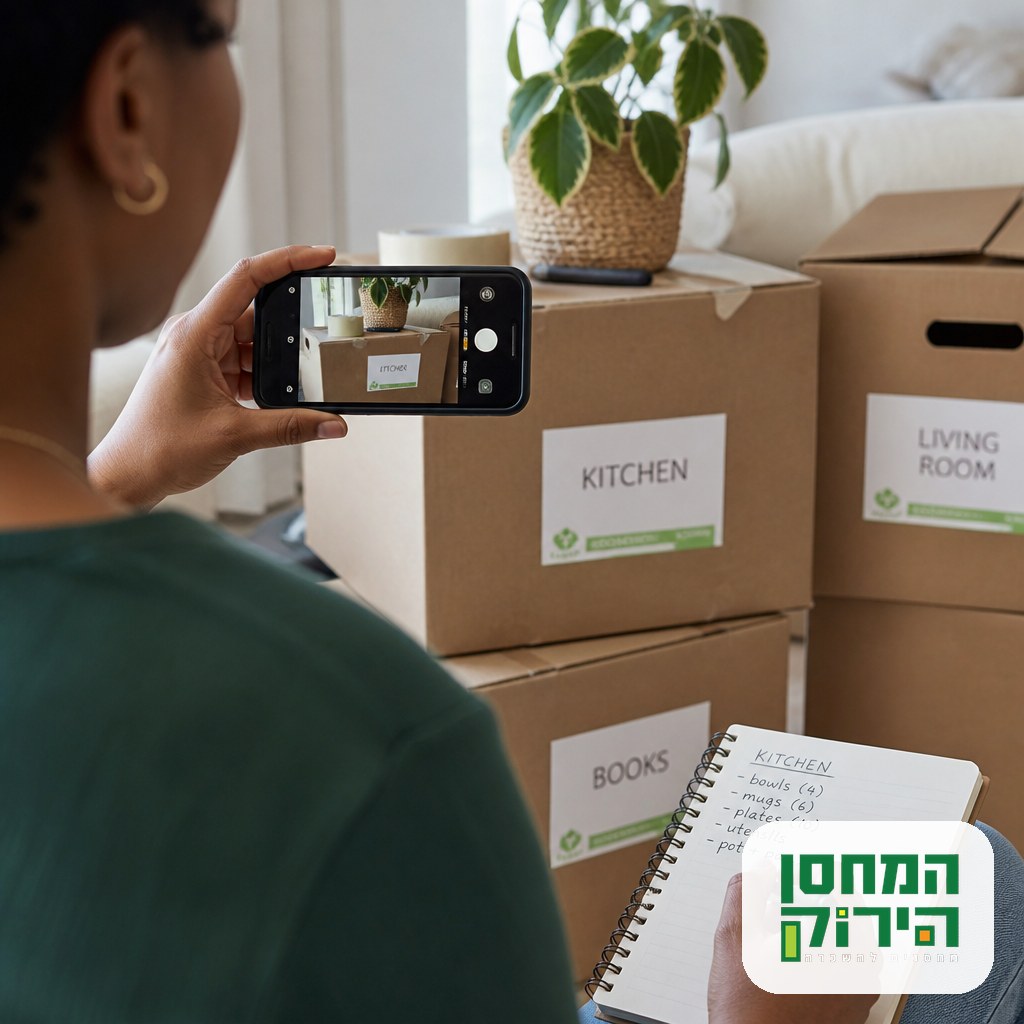
The people who come back to an easy month are the ones who spent two extra days before the flight labelling boxes, photographing the contents and choosing a unit with room to spare. Everything else follows from that. If you want help matching a unit size to your apartment and to a return date you cannot promise yet, look at the price list and get in touch with Green Storage before you book your ticket, so the storage is arranged while you are still in the country.
About a month before the flight is comfortable. That gives you time to move items gradually instead of in one exhausting day, and time to discover that you need a different size than you assumed. Booking earlier costs you a little extra rent on the unit, and it is usually worth it in the final week.
This is the most common scenario, so ask about it before you sign. In most cases the period can be extended in continuity, without moving your belongings and without opening a new arrangement. Agree in advance how the extension is requested and paid from overseas, so it does not depend on you being in the country.
Contents insurance is bought separately, based on the value you declare, at a rate of ₪1.8 per ₪1,000 of declared value, and it is not part of the storage fee. The cover is comprehensive and includes earthquake damage. For a long period abroad it is worth declaring a realistic value rather than a minimal one.
Yes, if you arrange it before you leave. You hold your own lock, so access is controlled by you. Leave a key and a written authorisation with a person you trust in Israel, and tell the branch who that person is, so there is no confusion when they arrive.
For a year, storing usually wins for anything solid, custom made or sentimental, and loses for flat pack items you were going to replace anyway. For two years or more the calculation tightens, so run it per item rather than for the whole apartment. Many people store the core of the home and sell the rest before the flight.
Food and anything perishable, flammable or pressurised materials, gas and fuel, plants and animals, and documents you may need to sign while abroad. Everything on that list either damages your other belongings or creates a problem you cannot solve from another country.

How can we help you today?