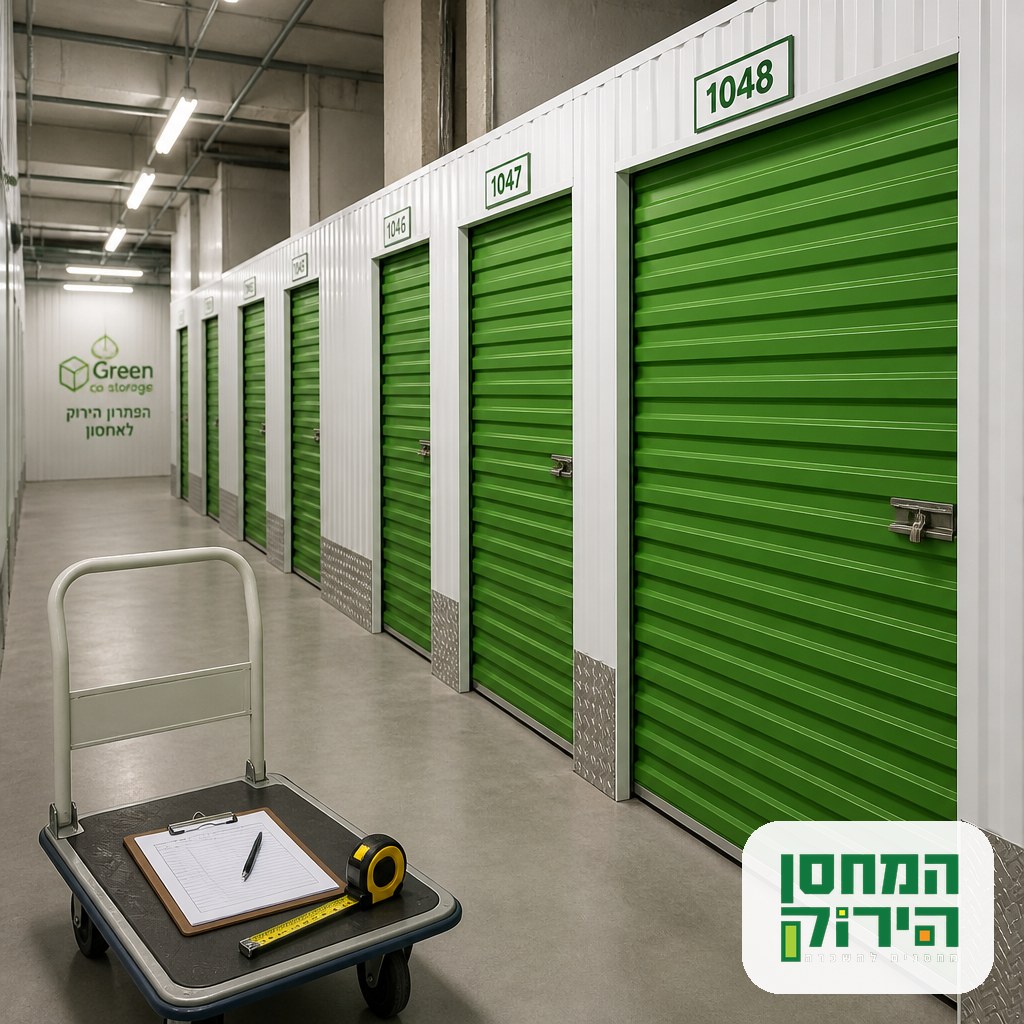
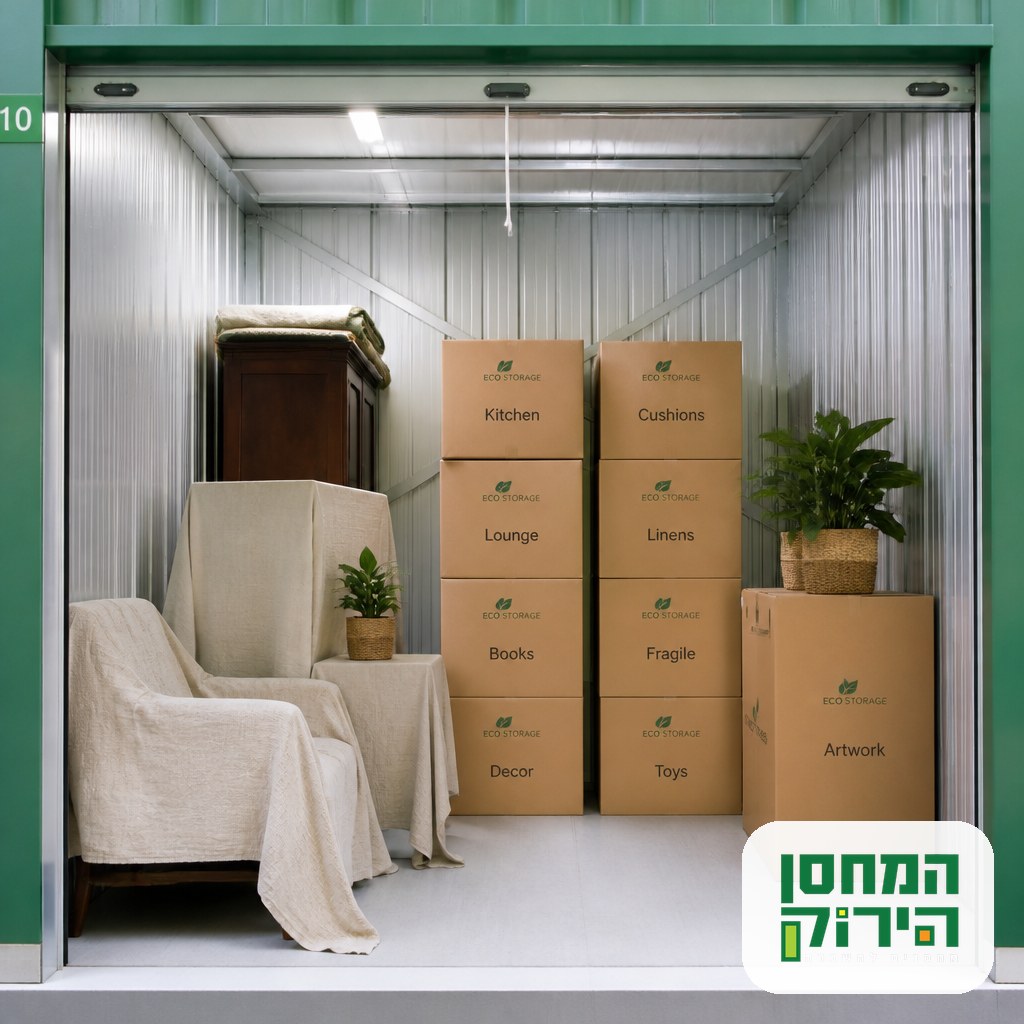
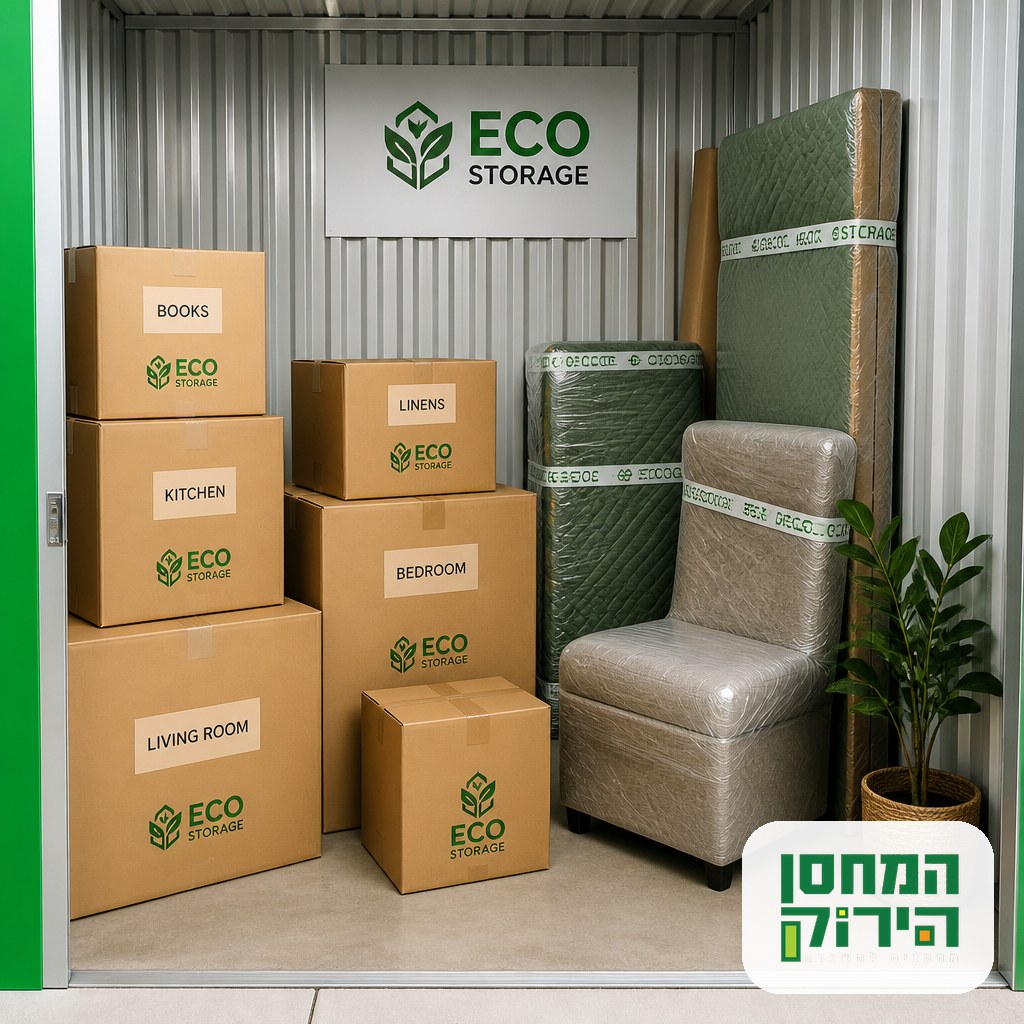
Choosing between short-term vs long-term storage is one of the first practical decisions you face when you move to Israel, move between apartments, or head abroad for an extended stay. Both options put your belongings in the same kind of facility, but almost everything else differs: how you pack, how you arrange the unit, what size you need and what you should check before you sign. For English speakers and new olim the question comes up especially often, because so many arrivals involve a gap between a temporary rental and a permanent home. This guide explains what defines each period, how to prepare for it, and how to pick the option that actually matches your situation.

The difference is not only the number of months. Short-term storage usually covers a period of a few weeks up to a few months, and it solves a temporary situation you can see the end of: a renovation, a lease gap, a long trip, or the wait between a temporary apartment and a permanent one. Long-term storage generally starts at six months and can run for years. It suits people who have no space for their belongings right now and do not expect to use them any time soon.
That distinction shapes almost every decision that follows. With a short period the priority is flexibility and access, because you will probably visit the unit several times and pull out items as you need them. With a long period the priority shifts to protection and stability, because your belongings will sit untouched for months and any packing mistake has time to turn into real damage.
It helps to remember that the line between the two is not fixed. Plenty of situations start as temporary and stretch into something much longer, especially when a property deal is delayed, a relocation is extended, or a visa process takes longer than expected. So ask yourself not only how long you plan to store, but also what happens if the period doubles. An honest answer points you to the right setup from day one and saves you an expensive move between units later.
A short period fits when you have a reasonably clear end date and you still need your belongings within reach. These are the situations where it usually makes the most sense:
In all of these cases the arrangement needs to stay flexible: the option to extend or shorten the period without penalty, convenient access to the unit, and the ability to move to a larger or smaller space if your plans change. Before you commit, confirm that the agreement supports that flexibility rather than locking you into a fixed long period. If you are comparing options, it is worth looking at the full range of storage units and sizes so you can match the space to a short stay instead of overcommitting.
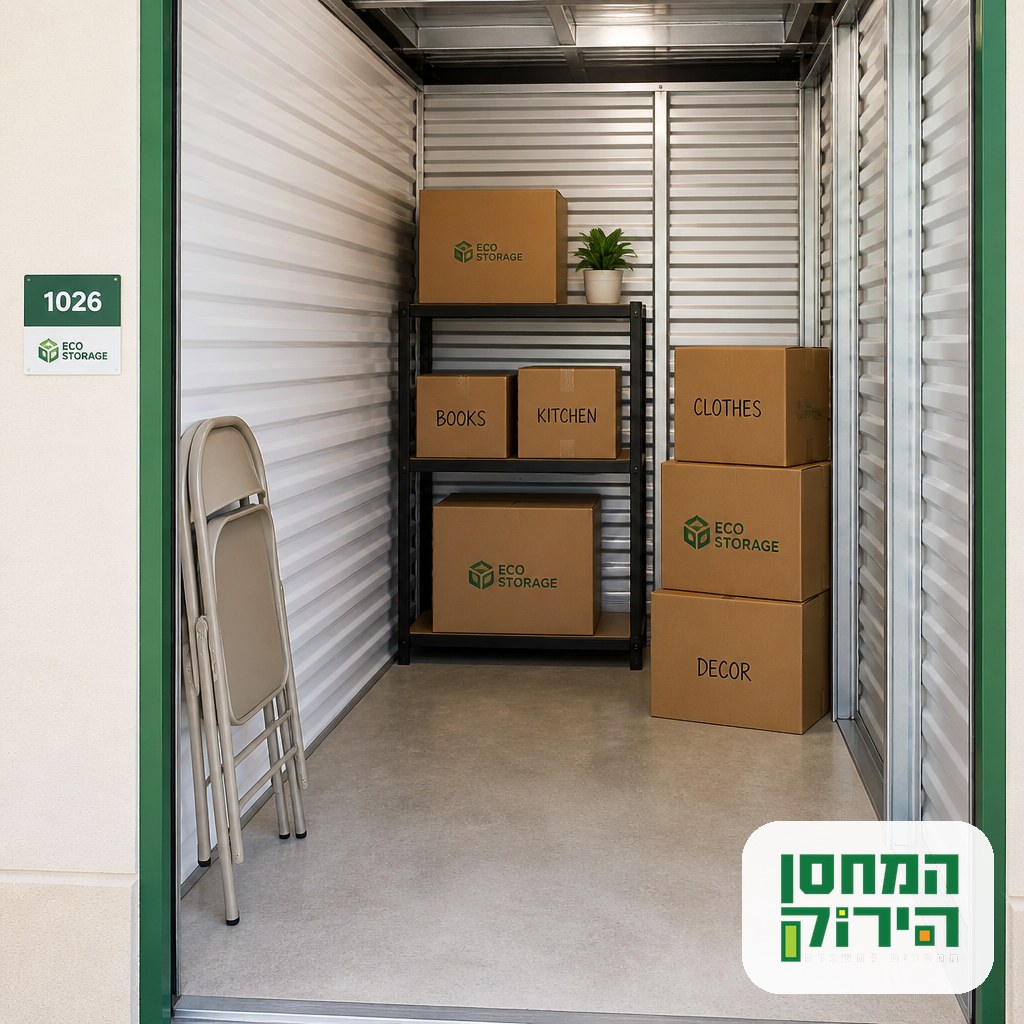
When the period is short and visits are frequent, layout matters as much as packing. The goal is to walk in, find what you need and walk out without dismantling the whole unit. Leave a clear aisle down the middle, put the items you are most likely to need near the door, and label every box on the side that faces you.
Boxes with current paperwork, seasonal clothing, basic tools and anything you might need on short notice belong in the front row. There is no point burying them behind a sofa when you already know you will come back for them within weeks.
Clear labels on two sides of each box, a short contents list on the lid and a quick photo of the finished unit will spare you a lot of searching. When you visit every couple of weeks, those small habits turn a thirty minute visit into a five minute one.
Before you leave, make sure the aisle is clear, no heavy box is resting on a fragile one, nothing is leaning against the door and everything sits off the floor. One minute of checking prevents unpleasant surprises on your next visit.
A long period fits when there is no clear return date, or when you know the items will not be used within the coming year. Relocation, a multi-year posting abroad, an inheritance, or belongings waiting for a future apartment are the classic cases. Businesses use the same logic for archives, surplus equipment and stock that is not in active rotation.
The main advantage of a long period is stability. You organize once, properly, and then leave everything in place, which makes the effort you invest at the start genuinely worthwhile. The drawback is that any mistake in packing or in choosing conditions has months to develop. That is why long-term storage calls for stricter attention to a dry environment, durable packing materials and a deliberate layout.
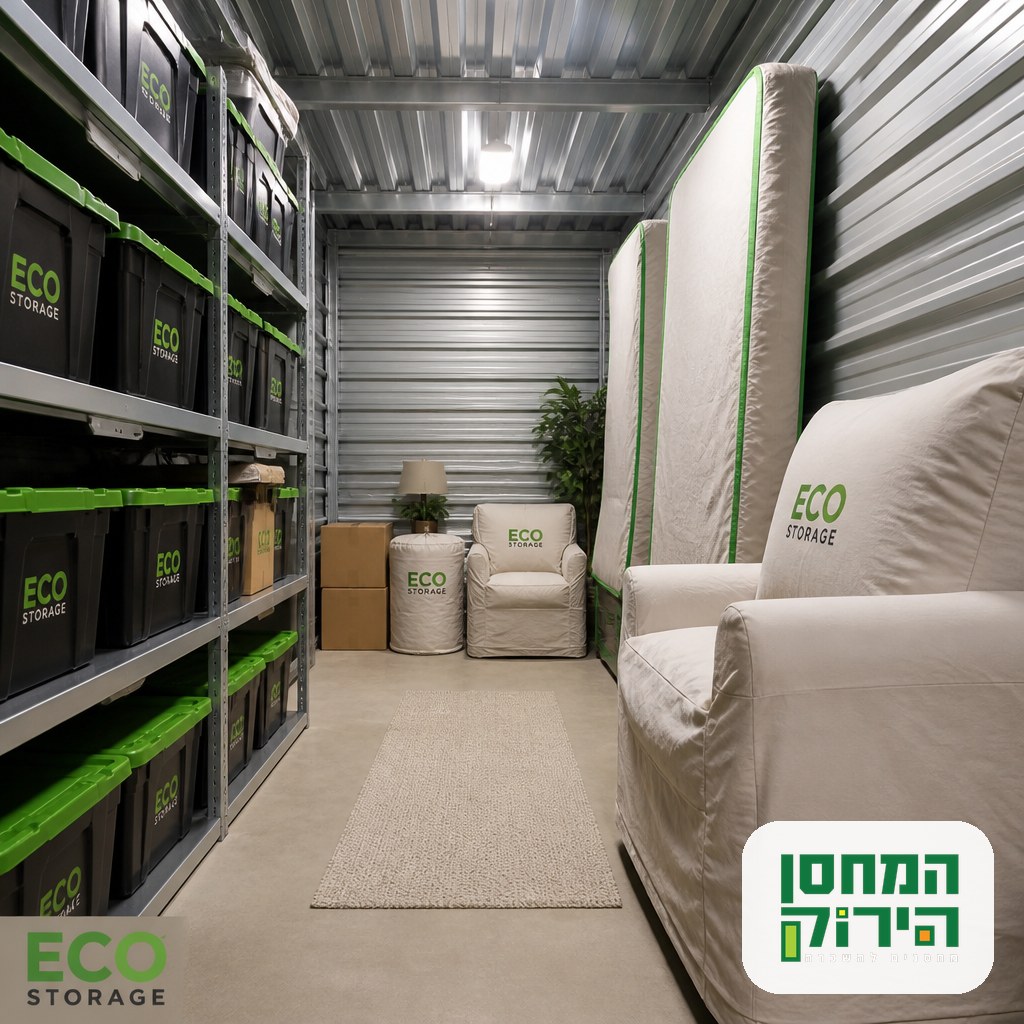
Over a long period your packing is the only protection your belongings have, because nobody is checking on them week to week. So you move from what is convenient to what is durable: rigid sealed plastic bins instead of cardboard, breathable fabric covers instead of plastic sheeting that traps moisture, and large furniture broken down into parts with its screws packed alongside. Sensitive items such as books, documents and textiles should sit high, in the most tightly sealed containers, and well off the floor.
Volume is the main factor, but it is not the only one. The length of the period, the type of items and how often you plan to visit all influence the unit you should choose. Over a short period it can be worth taking a slightly larger unit so you keep a comfortable aisle, while over a long period you can stack higher and use the full height, because you will not need to reach every box.
If you are not sure which category your situation falls into, it is worth reviewing the available storage services and options before committing, so the size and the period are matched to your belongings from the start. Getting that right at the beginning is far easier than moving between units halfway through.
Most problems do not come from picking the wrong option. They come from never asking the question in the first place. These are the mistakes that repeat most often:
One more mistake, less often discussed, is leaving the decision to the last minute. People who organize under pressure tend to take whichever unit is available rather than the one that fits, and to pack quickly rather than properly. Planning a week or two ahead lets you compare options, measure your volume calmly and pack at a pace that allows real care, and it usually costs less in the end.
Short-term vs long-term storage is not a choice between two different products. It is a choice between two approaches to the same need. For a short period, favor flexibility, access and a layout that lets you get in and out quickly. For a long period, favor durable packing, a dry environment and an arrangement that stays sound for months. Once the length of the period is clear, every other decision falls into place. Green Storage offers units in a range of sizes, conditions suited to any period, and personal guidance in English throughout. Get in touch with our team today through our contact page and we will help you match the right solution to your belongings and your timeline.
There is no single official definition, but in practice a period of up to a few months is treated as short-term, and six months or more as long-term. What really matters is not the number but how you prepare: the longer the period, the more durable your packing and conditions need to be.
Yes, and it happens often. Just confirm in advance that the agreement allows flexible extensions. If the period stretches beyond a few months, visit the unit, check the state of your packing and replace cardboard boxes with sealed containers for anything sensitive.
That depends on the length of the period rather than the volume. For a short wait between apartments, an accessible unit with standard packing is enough. For a longer wait, it is worth disassembling furniture, using breathable covers and sealed bins that protect items over time.
Yes. You can reach your unit as needed even during a long rental, though the internal layout has a big effect on how comfortable that is. If you expect frequent visits, keep an aisle clear and place the items you are most likely to need close to the door.
Estimate your volume in cubic meters based on the number of rooms and the large furniture involved, then add a margin for an aisle if you plan to visit often. When in doubt it is best to ask before signing, since getting the size right upfront saves a move between units later.
The physical conditions in the facility are the same, but your sensitivity to them changes. Over a few weeks a minor issue rarely causes damage, while over a year humidity or poor upkeep has time to do real harm. The longer your period, the more carefully you should check the building quality, cleanliness and security before you sign.

How can we help you today?