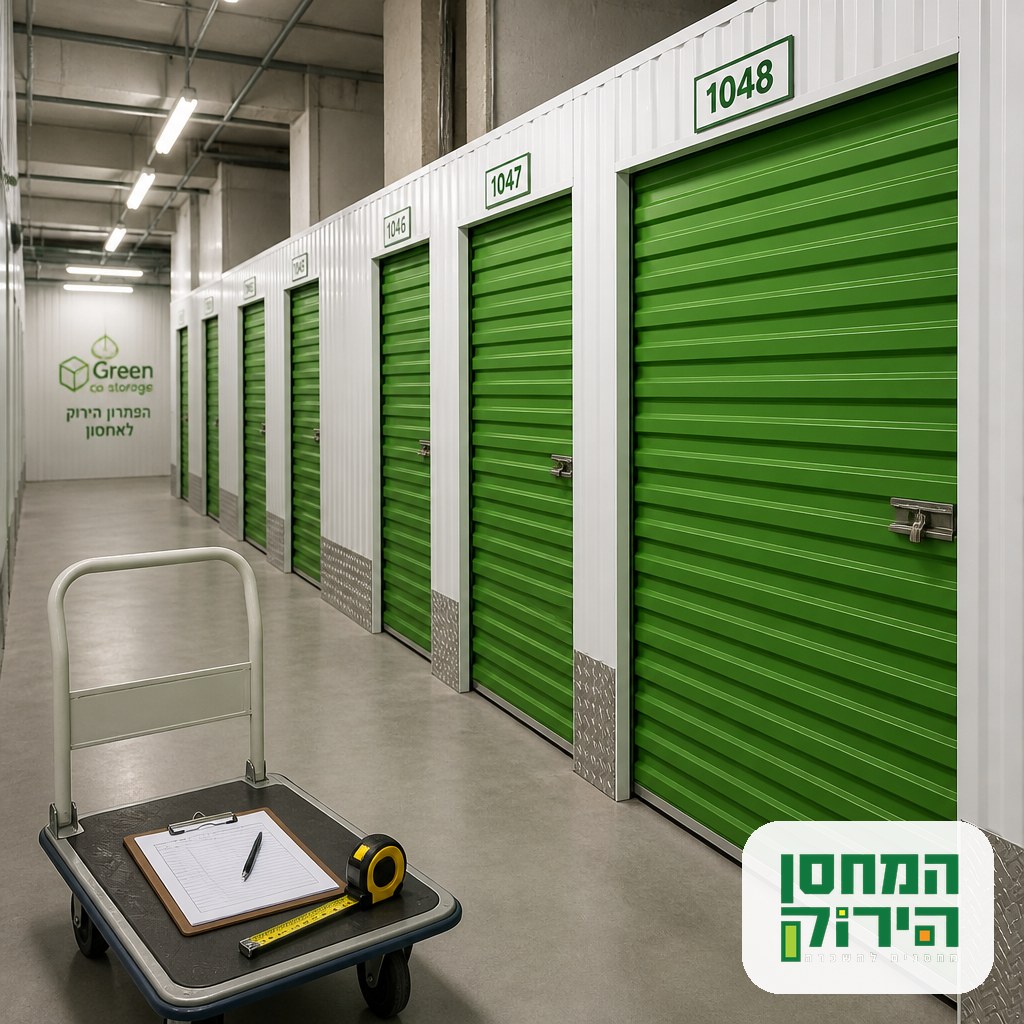
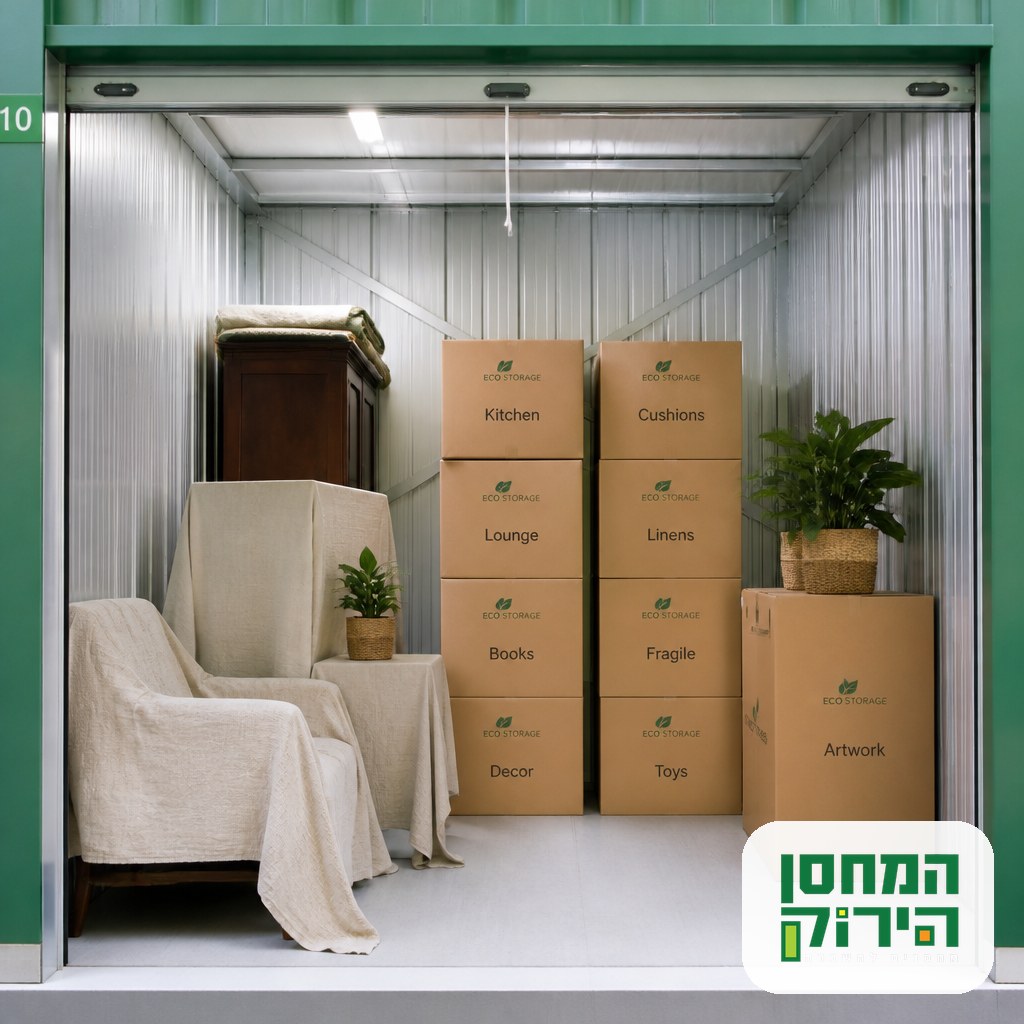
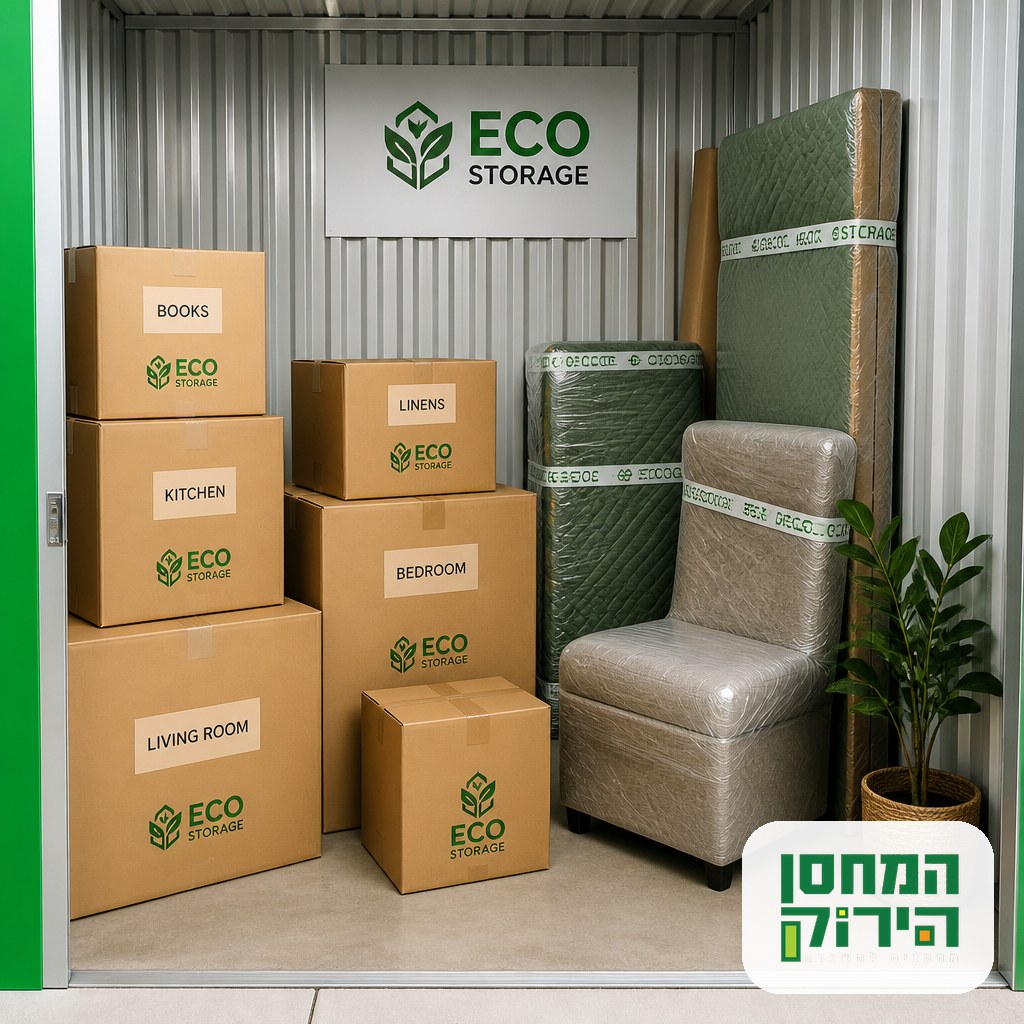
Storing clothing in a storage unit is one of the simplest ways to free up space at home while keeping your wardrobe in good condition. Coats, knitwear, bedding and growing collections of children’s outfits quickly fill every cupboard, and a rented self-storage unit gives those items a clean, secure place to live until you need them again. Whether you are a household rotating seasonal wardrobes or a clothing business holding surplus stock, the right approach to storing clothing protects fabrics from damp, moths and creasing for months. This guide covers why people store clothing off-site, how to choose the right unit, and how to prepare and pack garments so they come out as fresh as they went in.
Clothing is bulky, seasonal and easy to accumulate. A self-storage unit turns that overflow into organised, accessible storage rather than overstuffed wardrobes.
The most common reason is the change of seasons. Heavy winter coats, wool jumpers and thick bedding take up enormous space during the warm months, while summer clothes sit unused through winter. Moving the off-season half of your wardrobe into a unit doubles the breathing room at home, and when the weather turns you swap the boxes back.
Families often want to keep baby clothes, cot bedding and soft toys for a future child or for grandchildren. These items carry sentimental value and are expensive to replace, yet they can sit in the way for years. A clean, protected unit keeps them safe without crowding your rooms.
Clothing retailers and import businesses use storage to hold seasonal lines, surplus items and merchandise that has arrived before it reaches shops or online customers. A dedicated unit keeps stock organised and easy to pick from when you are fulfilling orders regularly. For inventory that stays put across a full season, a longer commitment such as a long-term storage plan is usually the most cost-effective choice.
Not every storage space is suitable for textiles. Clothing is vulnerable to humidity, temperature swings, dust and pests, so the condition of the facility matters as much as the unit size.
Look for a professional company that carries out ongoing maintenance and keeps each space sealed against weather damage, extreme temperatures, mould, humidity and rodents. The unit should be private, fitted with an individual lock, and properly secured. Good facilities also air their units so fabrics are not left in stagnant, damp conditions.
A licensed operator can offer contents insurance as an add-on, which gives real peace of mind when you leave a full season’s wardrobe off-site. Closed-circuit cameras and a unique lock on a private unit mean your belongings are not in a shared, open space. You can review the secure, private spaces on the self-storage units page to see which sizes suit a wardrobe rotation versus a full business stock.
Damp is the enemy of stored clothing. Persistent humidity encourages mould and mildew, while warm, undisturbed corners attract moths that feed on natural fibres such as wool and silk. A well-maintained, aired unit reduces both risks, but you should still take precautions inside the boxes, covered below.
Accessibility matters most for items you reach for often. If you swap clothes every few months, or you supply stock regularly, choose a unit you can enter easily with room to arrange garments tidily, and slightly larger than your current pile so things stay in order. The self-storage for rent options explain how different units match different volumes of clothing.
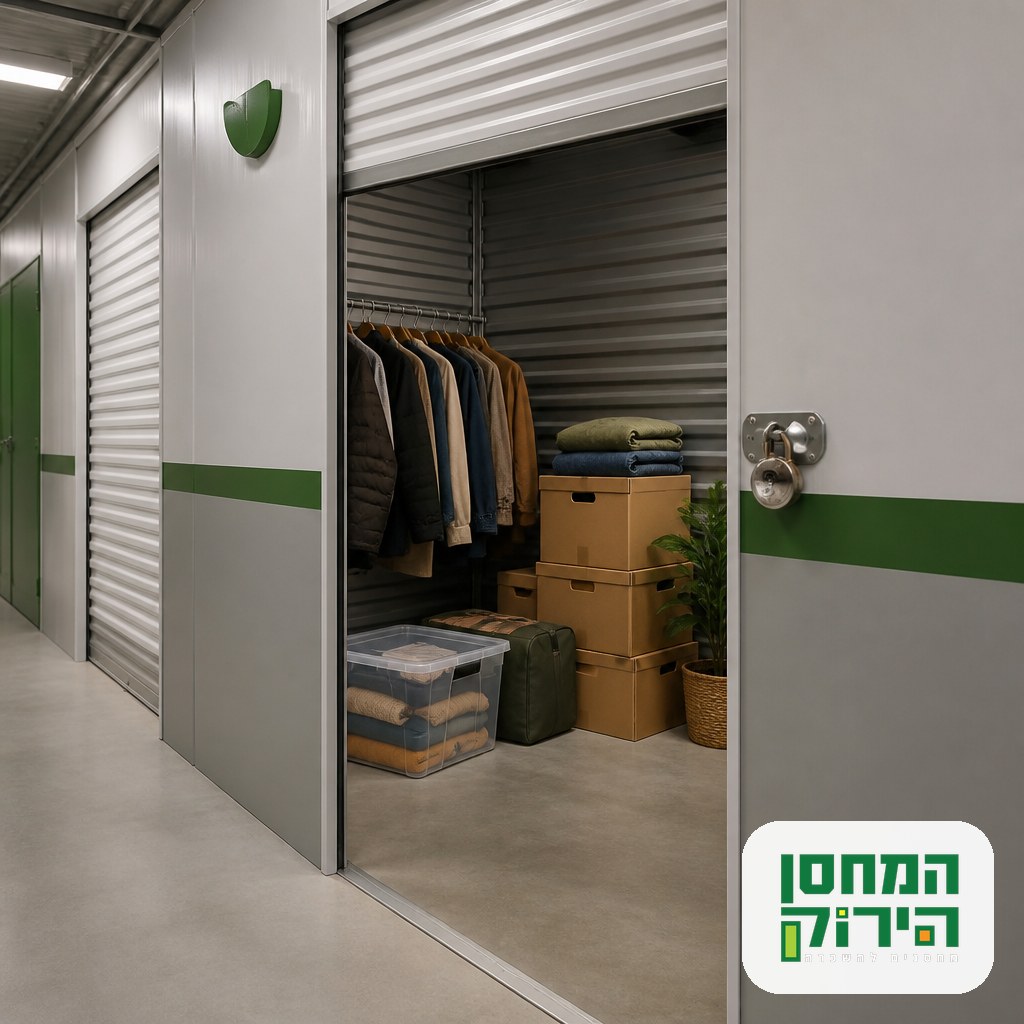
Preparation is where most of the protection happens. Clothes that are cleaned, packed in the right containers and arranged sensibly survive many months without odours, stains or damage.
Wash or dry-clean everything before it goes into storage. Body oils, food marks and perfume residue may be invisible now, but over months they set into stains and attract insects. Make sure each garment is fully dry, because moisture trapped in folded fabric leads to mildew. Zip up zippers, fasten buttons and empty pockets so items pack flat and keep their shape.
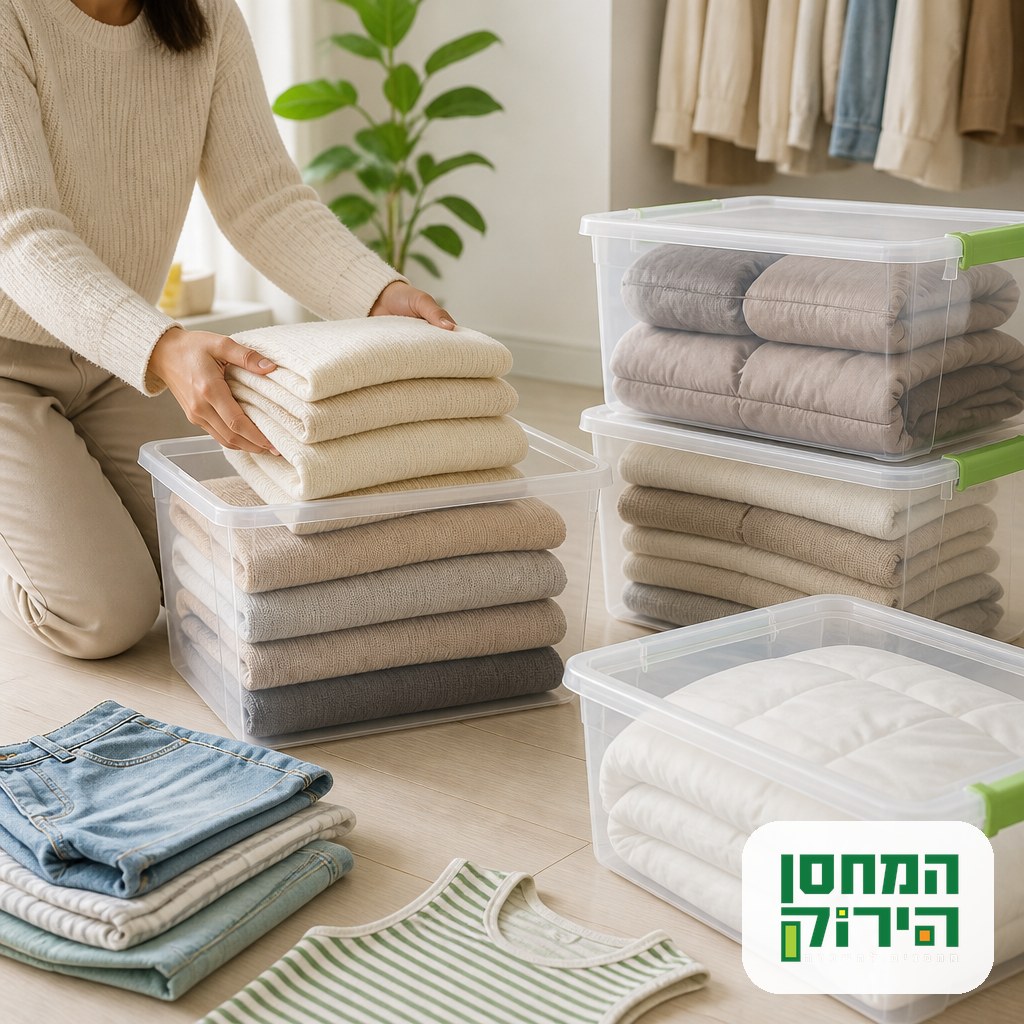
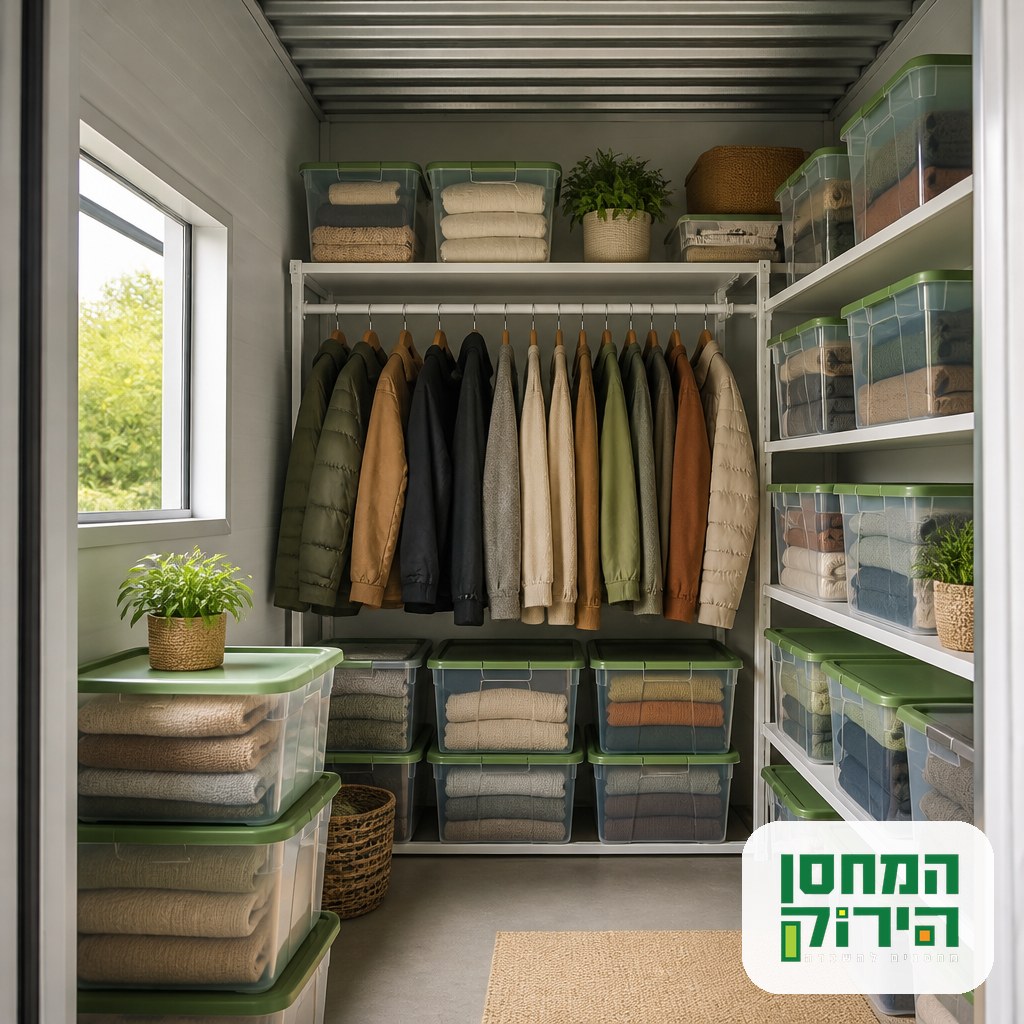
How you store a garment depends on the fabric. Knitwear, jumpers and anything stretchy should be folded, because hanging pulls them out of shape over time. Structured pieces such as coats, suits, jackets and formal dresses keep their lines better when hung. A unit that allows a clothing rail lets you hang the items that need it while folded items sit in boxes below.
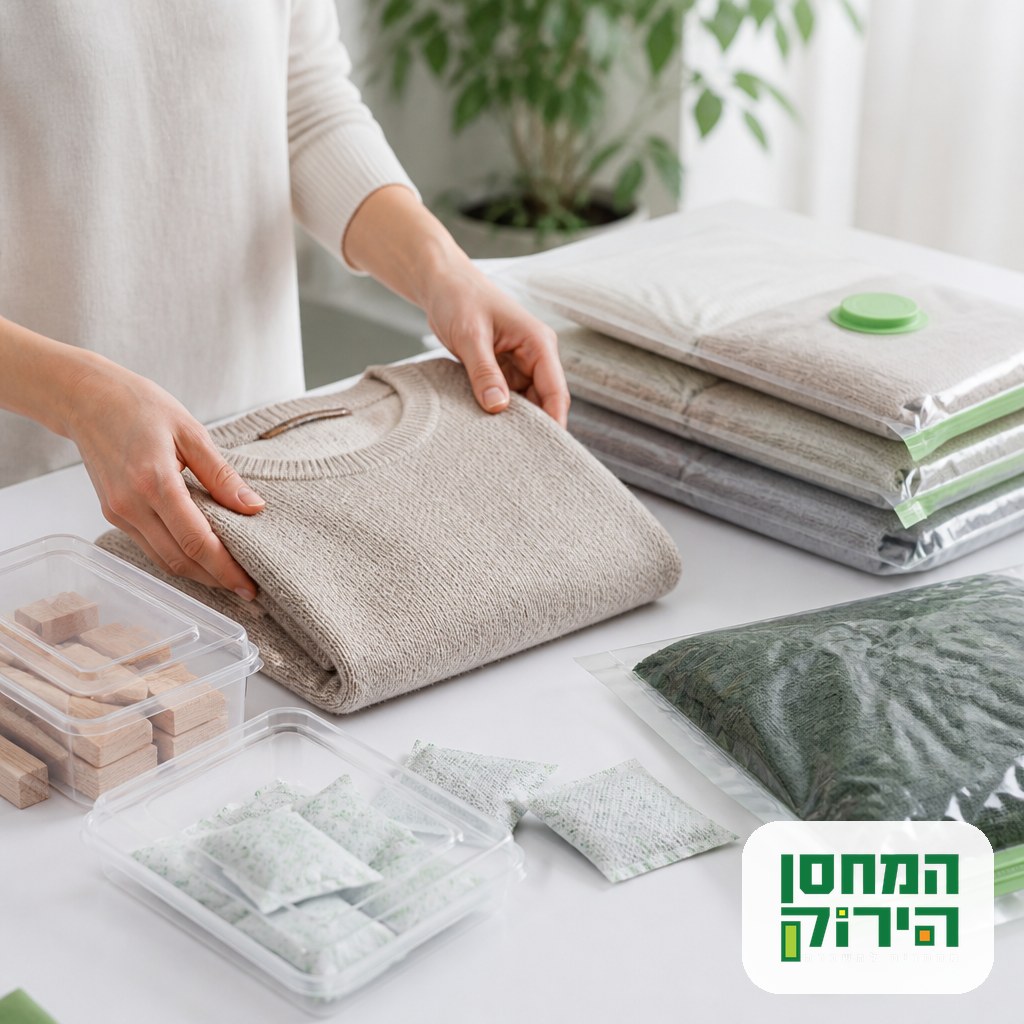
Cardboard boxes and ordinary bags absorb humidity and can encourage mould, so they are not ideal for long storage. Sealed plastic boxes are a better choice, and vacuum bags work well for bulky items like duvets and winter coats because they compress the volume and lock out moisture and dust. Group similar items together, and do not overfill a box to the point where garments are crushed.
Add a few simple protectors inside each container. Dryer sheets keep clothes smelling fresh, cedar blocks or mothballs deter moths, and silica gel sachets absorb residual moisture in sealed boxes. Label every box clearly so you know what is inside without opening it.
Inside the unit, keep order in mind from the first box. Place items you will need sooner near the front, stack heavier boxes at the bottom, and leave a narrow walkway to reach the back. For frequent access, shelving or racks beat a single tall pile.
One thing to leave out: most clothing and textiles suit a unit, but keep high-value valuables elsewhere. Jewellery, fine art and other irreplaceable items belong in a home safe or a bank deposit box, since they are not covered the way stored contents are.
Green Storage offers professional self-storage in Israel for households and businesses, with a wide range of unit sizes for short-term and long-term needs. The facility is in Kiryat Anavim, around 15 minutes from Jerusalem and Beit Shemesh and roughly 30 minutes from Tel Aviv, which makes seasonal wardrobe swaps and regular stock pick-ups easy.
Every unit is private, fitted with its own lock and covered by closed-circuit cameras, and the site is licensed, so comprehensive contents insurance can be added to the rental. The units are kept sealed, maintained and aired, with protection against damp and pests, which is exactly what stored clothing needs. For clothing, the team can tailor the space, such as dedicated tracks for clothing rails that waste far less room than fixed shelving. Added services including transport, lifting and assembly are available when you need help moving in.
Storing clothing in a self-storage unit clears space at home and keeps your seasonal wardrobe, baby clothes or business stock clean and ready to use. Choose a private, secure and well-maintained unit, pack garments in sealed plastic boxes or vacuum bags, fold what should be folded and hang what should be hung, and arrange the unit for easy access. To find the right unit and a clothing-friendly layout, contact our team and book a space that fits your wardrobe or stock.
Wash or dry-clean every item and make sure it is completely dry, since hidden stains and trapped moisture cause odours, mildew and insect damage. Fasten zips and buttons, empty pockets, and pack garments in sealed plastic boxes or vacuum bags rather than cardboard or ordinary bags, which absorb humidity.
It depends on the fabric. Fold knitwear, jumpers and stretchy items, because hanging pulls them out of shape. Hang structured pieces such as coats, suits and formal dresses so they keep their lines. A unit that allows a clothing rail lets you do both.
Start with a well-maintained, aired unit that is protected against humidity and pests. Inside each box, add cedar blocks or mothballs to deter moths, silica gel sachets to absorb moisture, and dryer sheets to keep clothes fresh. Clean, fully dry garments in sealed containers do most of the work.
Yes. Green Storage units are private, fitted with individual locks and covered by closed-circuit cameras in Kiryat Anavim, near Jerusalem, Beit Shemesh and Tel Aviv. Because the company is licensed, comprehensive contents insurance can be added to the rental, and the units are maintained and aired.

How can we help you today?