Furniture storage is the question that decides how you let an apartment in Israel, and most owners meet it in the wrong order. You decide to rent the place out, you advertise it, and only when a tenant asks whether the sofa and the washing machine stay do you realise that the answer changes your rent, your tenant pool and how much of your own property you are handing to a stranger for a year. If you are an owner living abroad, or you are moving within Israel and keeping the apartment as an investment, the furniture is not a detail. This guide covers the furnished or empty decision, what furniture really costs you inside a let apartment, and where it can wait instead.

In Israel the default is somewhere in the middle. Most long term lets are advertised with the kitchen fitted, often with an oven and sometimes with a washing machine, and with nothing else. A fully furnished apartment, meaning beds, sofas, a dining table and a wardrobe, is a smaller and more specific market: short stays, academic terms, people on assignment, families waiting for their shipment to clear. That market pays more per month, but it is thinner and it moves faster, so you are letting the place more often.
The empty apartment is the opposite trade. The monthly rent is lower, but the pool of tenants is far wider, because almost every Israeli family arrives with its own furniture and does not want yours. Those tenants also stay longer, which is worth more than it looks: every turnover costs you cleaning, repairs, agent fees in some cases, and usually a few empty weeks. Before you choose, it helps to price both the rent and the turnover, not the rent alone.
A furnished apartment commands a premium and can be let to someone who lands next week with two suitcases. That is a real advantage, especially in central Tel Aviv and in parts of Jerusalem where short assignments are common. The cost sits in two places that owners tend to underestimate: the condition of your own furniture when the tenancy ends, and the arguments about it.
Furniture in a let apartment depreciates on someone else’s schedule. A sofa used daily by a household that did not pay for it looks different after a year, and the security deposit rarely covers a replacement rather than a repair. You can reduce the friction with a signed inventory and photographs on the day of handover, but you cannot reduce the wear itself. The honest way to think about furnished letting is that part of the higher rent is the slow sale of your furniture.
The damage is not evenly spread. A short list of items absorbs most of it, and those are exactly the items worth taking out of the apartment and storing if you are undecided, because they are the expensive ones to replace and the easy ones to protect.
Soft and mechanical items age fastest in someone else’s hands. These are the ones most owners regret leaving behind:
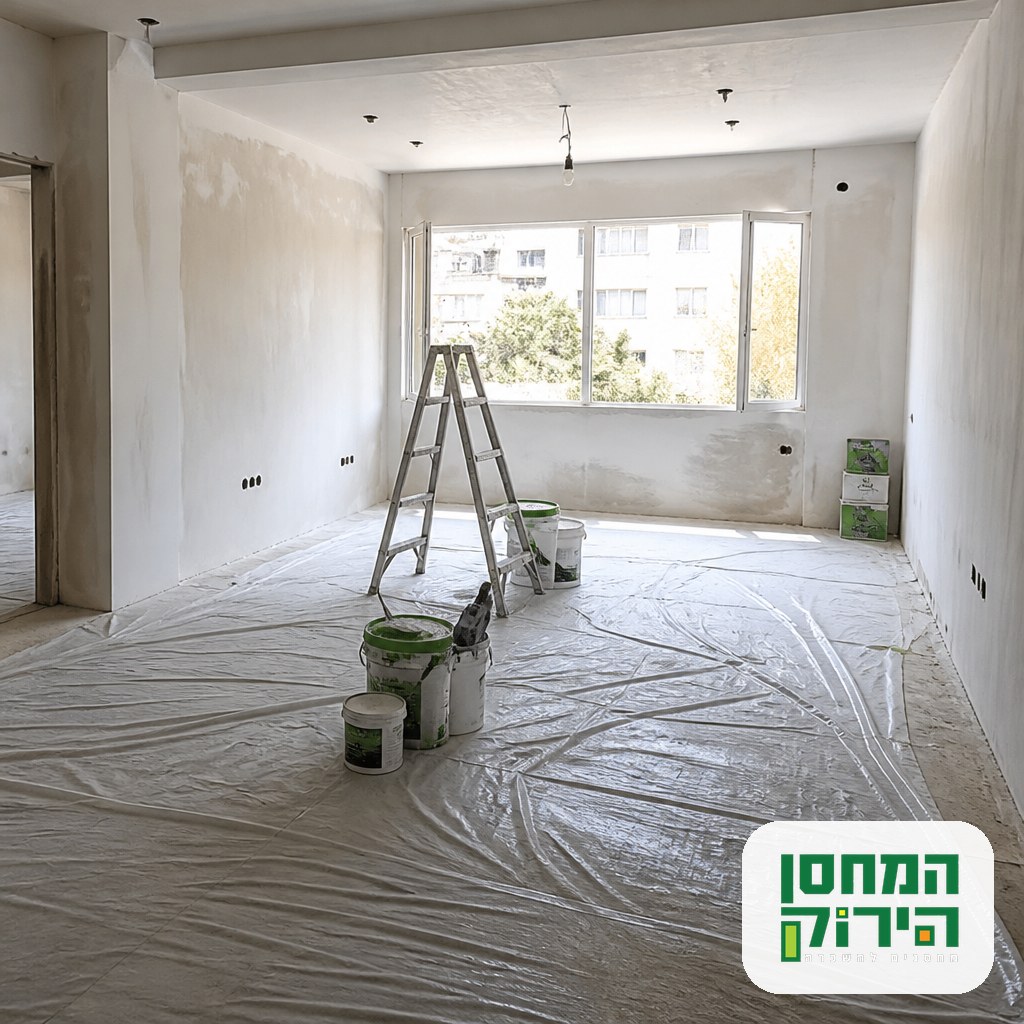
An empty apartment is simpler to let, simpler to hand over and simpler to get back. There is no inventory to argue about, no appliance you are responsible for repairing mid tenancy, and no reason for a good tenant to look elsewhere because they already own a sofa. If you plan to keep the apartment for years, letting it empty and storing the furniture you want to keep is usually the calmer path, and the one that keeps your options open if you come back to live in it.
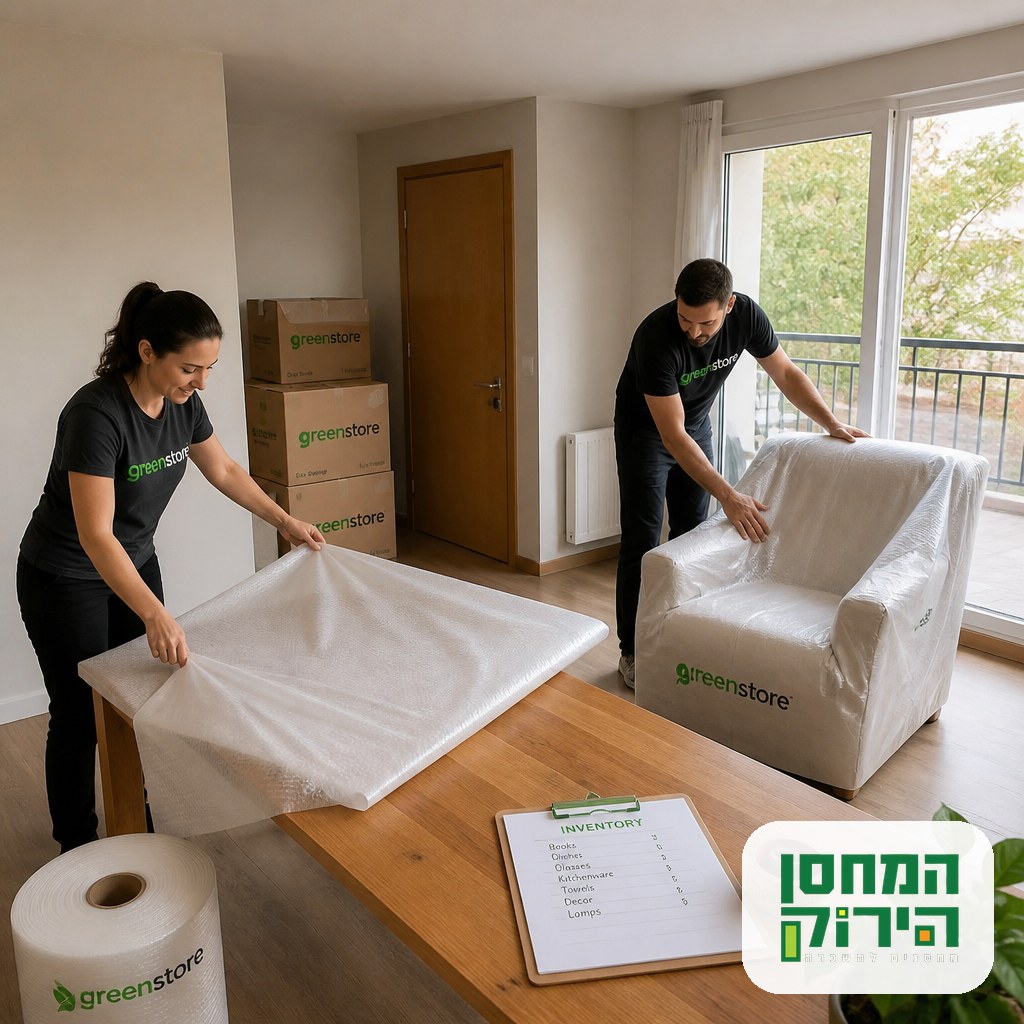
Once you decide to let the apartment empty, or to let it part furnished, the furniture has to go somewhere. There are three realistic places, and the difference between them is not only cost.
Many owners keep one room locked and store the furniture inside it. It is free, and it is usually a mistake. You are renting out an apartment with a room the tenant cannot use, which lowers what you can charge by more than the storage would cost. The room is also unventilated for months at a time, and in an Israeli summer a closed room with a sofa in it is exactly where mould starts. On top of that, you have no access to your own belongings without asking your tenant for permission.
The family storeroom is the Israeli default and it works for boxes. It works much less well for furniture. Outdoor storerooms, damp basements and covered parking spaces move with the weather, and upholstery, wood and electronics all react to that. If you are abroad, there is also nobody to notice a leak for six months.
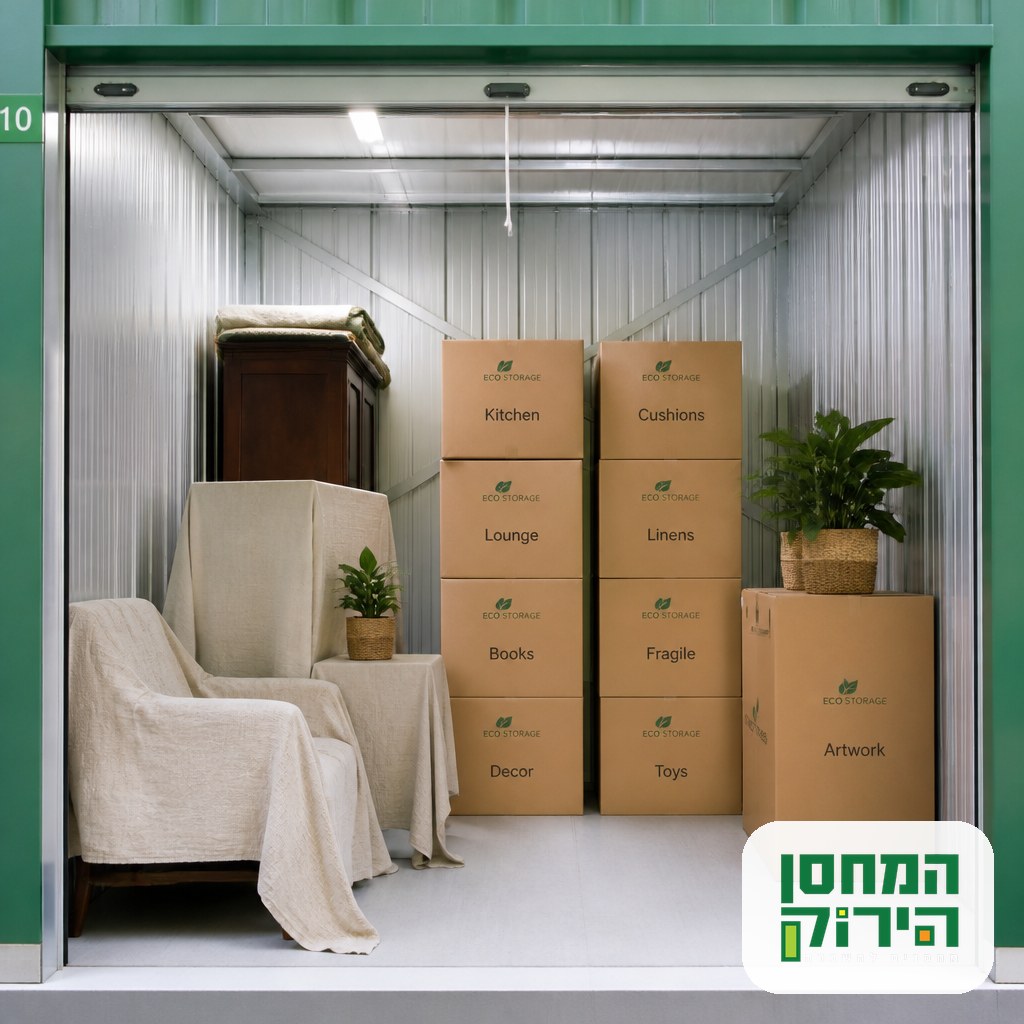
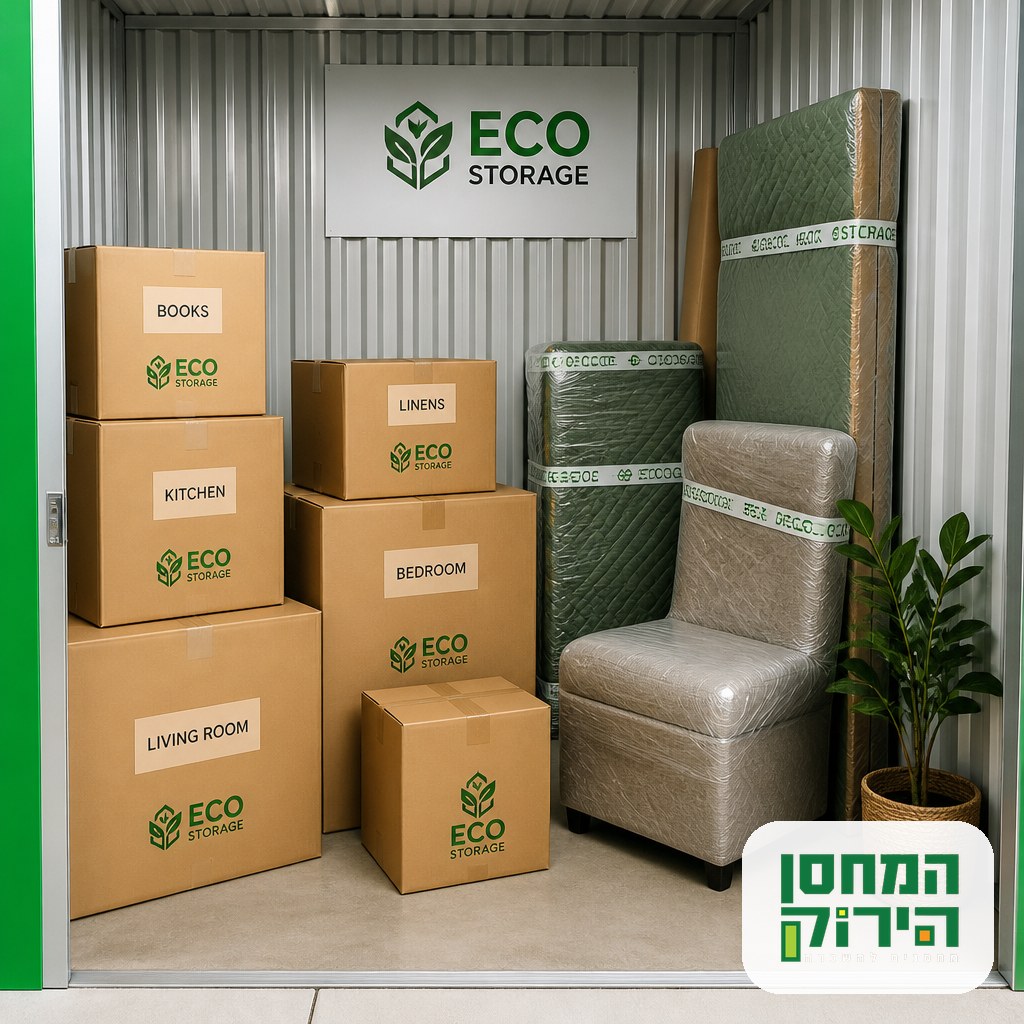
A unit is the option that matches a let apartment, because it separates your property from the tenancy completely. The furniture sits in a private unit inside a closed building, with your own padlock on the door and the units raised off the floor. Security is based on closed-circuit cameras, alarm systems and advanced means connected 24/7 to a security and patrol dispatch centre, with the Kibbutz Galuyot branch in Tel Aviv also offering 24/7 access for owners who come and go at odd hours. You can see how the units are laid out and what sizes exist on the page for storage units in Israel.
The common mistake is to size the unit for the apartment. You are not storing the apartment, you are storing the furniture you chose to take out of it, and that is a much smaller list. Write the large items down first, then estimate the boxes that stack on top of them, and size from the list rather than from the floor area of the flat.
Where the unit sits matters as much as its size. Choose the branch you can actually reach on a handover day, not the one nearest the apartment, especially if you manage the let from another city. Owners letting a flat in the centre usually work from Tel Aviv or the Sharon, and the layout of each site is listed on the branches page.
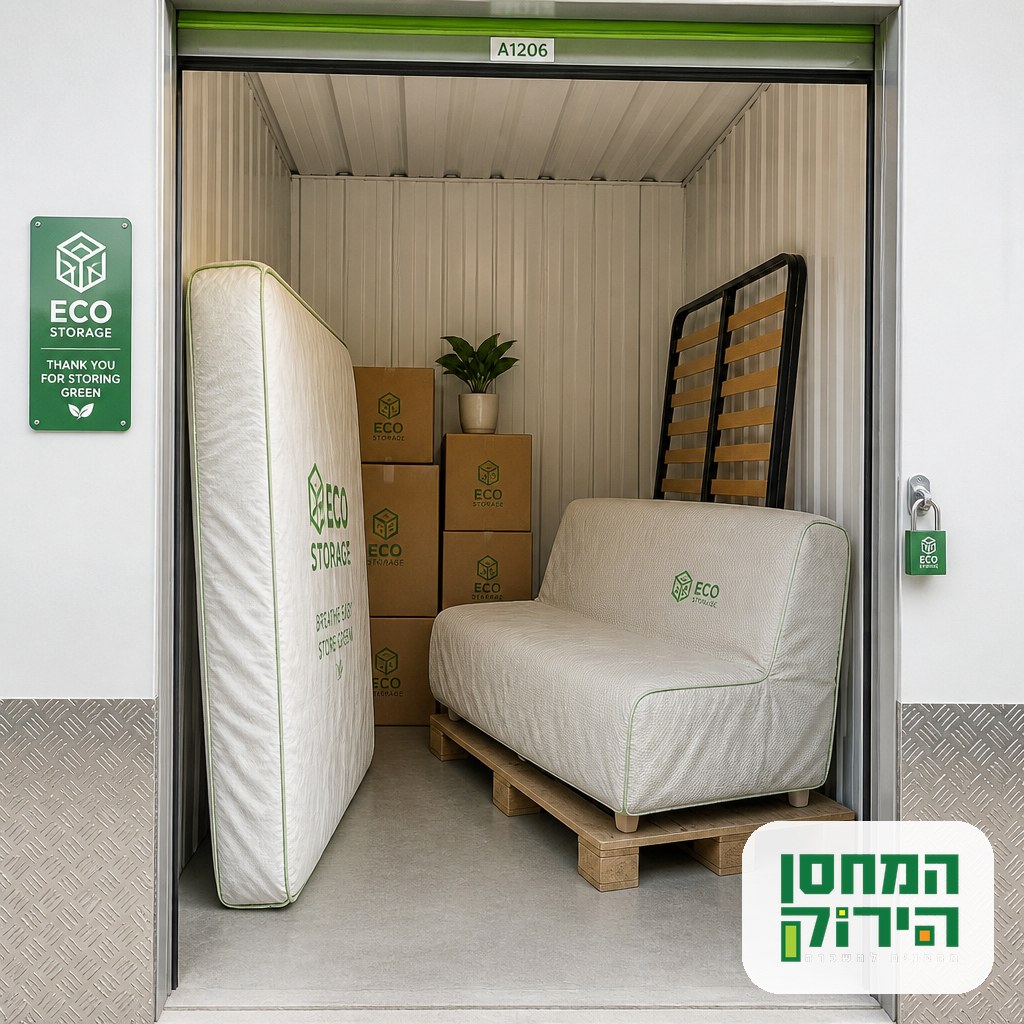
Furniture in storage between tenancies has a specific job: to come out looking the way it went in, possibly at short notice. That makes the packing slightly different from a normal move, because you are not unpacking at the other end on the same day.
If the apartment is in Tel Aviv and you are handing it to a tenant while you are out of the country, the practical details of clearing a flat there are covered on the page about storing the contents of a Tel Aviv apartment.
Furnished or empty is a commercial decision, not a sentimental one. Work out what each option earns after turnover, be honest about what a year of daily use does to a sofa and a mattress, and give whatever you want to keep a dry, private place to wait instead of a locked room in your own let apartment. Contact Green Storage with a list of the large items and we will match a unit to it, and you can compare sizes on the price list before you decide.
It depends on how long you want each tenancy to last. Furnished pays more per month and suits short assignments, academic terms and people waiting for a shipment, but it turns over faster and your furniture pays for it. Empty pays less per month, draws a much wider pool of Israeli tenants and keeps them longer, which usually wins over several years.
Most owners take a unit for the length of the tenancy, which in Israel is commonly a year with an option to extend. You can start with no commitment and decide later, or choose the six months to a year track or the over a year track, where the monthly rate is at its lowest.
Insurance is not included in the price. Comprehensive contents insurance is available as an add-on on the full declared value of what you store, at ₪1.8 per ₪1,000 of declared value, and the cover includes earthquakes. For furniture you intend to use again it is worth declaring a realistic replacement value rather than a sentimental one.
Yes, if you arrange it when you sign. The agreement is with one named renter, and you can authorise another person to enter the unit on your behalf. Owners who manage a let from overseas should settle this at signing rather than on the day a tenant moves out.
Fresh or perishable food, flammable and hazardous materials, gas, fuel, plants and animals. When you clear an apartment in a hurry this list matters more than usual, because a forgotten bag of food or a battery left in a box can affect everything stored around it.

How can we help you today?