A bottle of wine is one of the few things you own that keeps changing after you close the door on it. Wine storage is not a question of shelf space, it is a question of environment: temperature, humidity, light and movement decide whether a bottle kept for a year comes out better than it went in, or flat and tired. That gap comes down to conditions rather than to the wine itself, and it matters more in Israel than in most places, because a sealed balcony or a rooftop storeroom here can swing thirty degrees in a single summer day. This guide covers the conditions that matter, how to pack bottles, what changes for business stock, and the mistakes that cost collectors the most.
Most items in a storage unit are static. A wardrobe or a box of books reacts very slowly. Wine keeps running a slow chemical process inside the sealed bottle, driven directly by the temperature around it. Heat speeds up ageing, cold slows it down, and repeated swings between the two create real pressure inside the bottle and around the cork.
Then there is the cork. A natural cork breathes only minutely, and stays airtight only while it is slightly damp on the inside. Once it dries out it shrinks, and oxygen creeps in through the gap and oxidises the wine. That is why storing bottles upright for months is a mistake, not a matter of style.
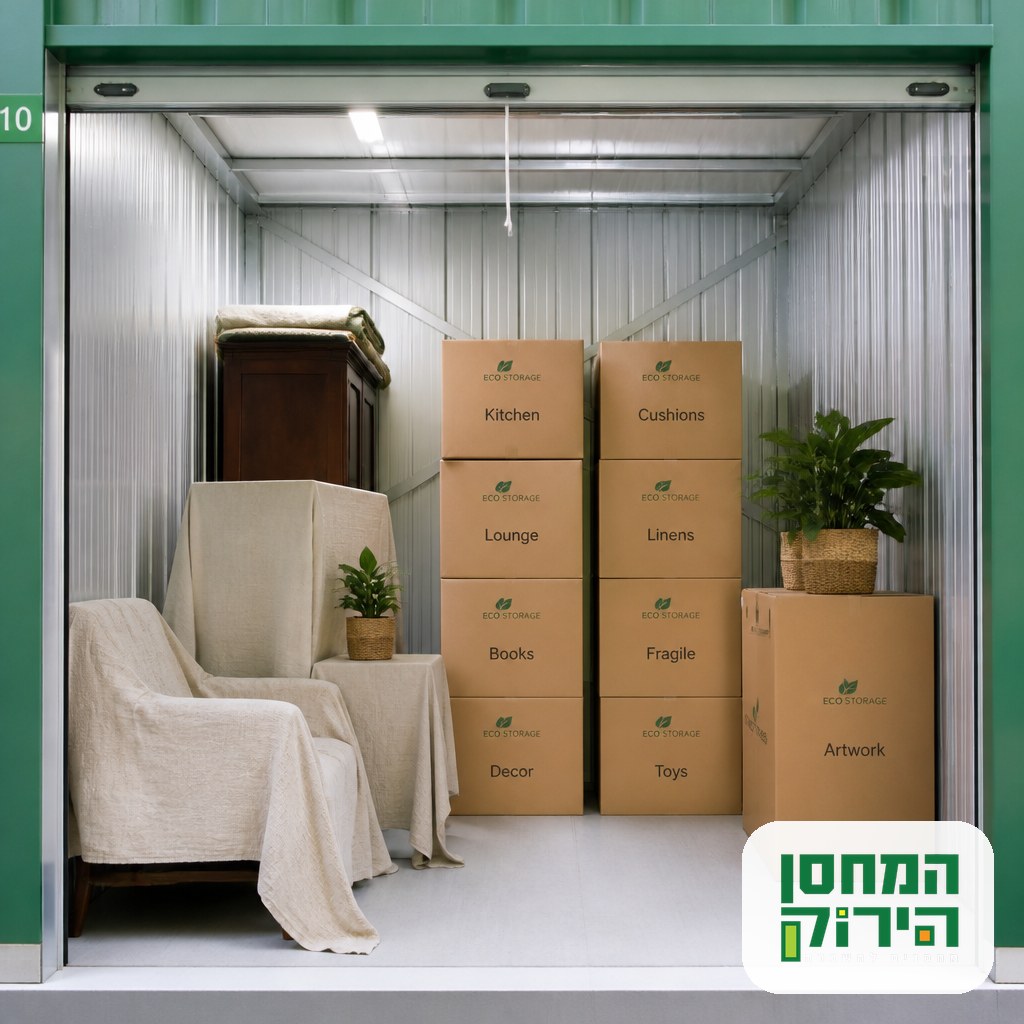
So when wine travels with the rest of your household into self storage units, treat the wine cases separately and place them in the most stable spot in the unit, not beside the door or against an outside wall.
If you remember one rule, make it this: stability beats any exact number. A space that holds a steady 18 degrees Celsius protects wine better than one swinging between 12 and 24 degrees over a day, even though the second average sounds ideal on paper.
The classic range for long term wine storage is around 12 to 14 degrees Celsius, and any stable temperature between 10 and 18 degrees serves a home collection well. In Israel the challenge is summer: an uncontrolled rooftop storeroom, a sealed balcony or a private parking space easily reaches 35 degrees and above, which damages wine within weeks rather than years. A closed, shaded unit holds far gentler swings than most apartments, and a climate controlled space is steadier still.
As wine warms it expands and pushes the cork upward, sometimes seeping a little liquid around it. The delicate aromatics go first, and the wine turns flat and cooked, closer to jam than to fresh fruit. Whites and roses suffer faster than reds, and sparkling wines are the most vulnerable of all.
You can learn a lot before pulling a cork. A cork pushed proud of the rim, sticky residue around the neck or under the capsule, and a fill level that has dropped in the shoulder all point to heat or sharp swings. A colour very different from an identical bottle in the same case tells the same story.
Move the bottle to a stable, cool place, and resist the urge to chill it fast in a freezer. A sharp change in the opposite direction adds damage rather than undoing it. After a few days, open it and taste. If the wine is sound, drink it soon rather than returning it to long storage, and check the rest of the case.
Moderate cold slows ageing and does no harm, but extreme cold can freeze wine, expand it and push the cork out. Low temperatures also throw harmless tartrate crystals to the bottom, which look alarming but do not affect taste. The real problem is repeated movement between cold and warm, which gradually weakens the seal.
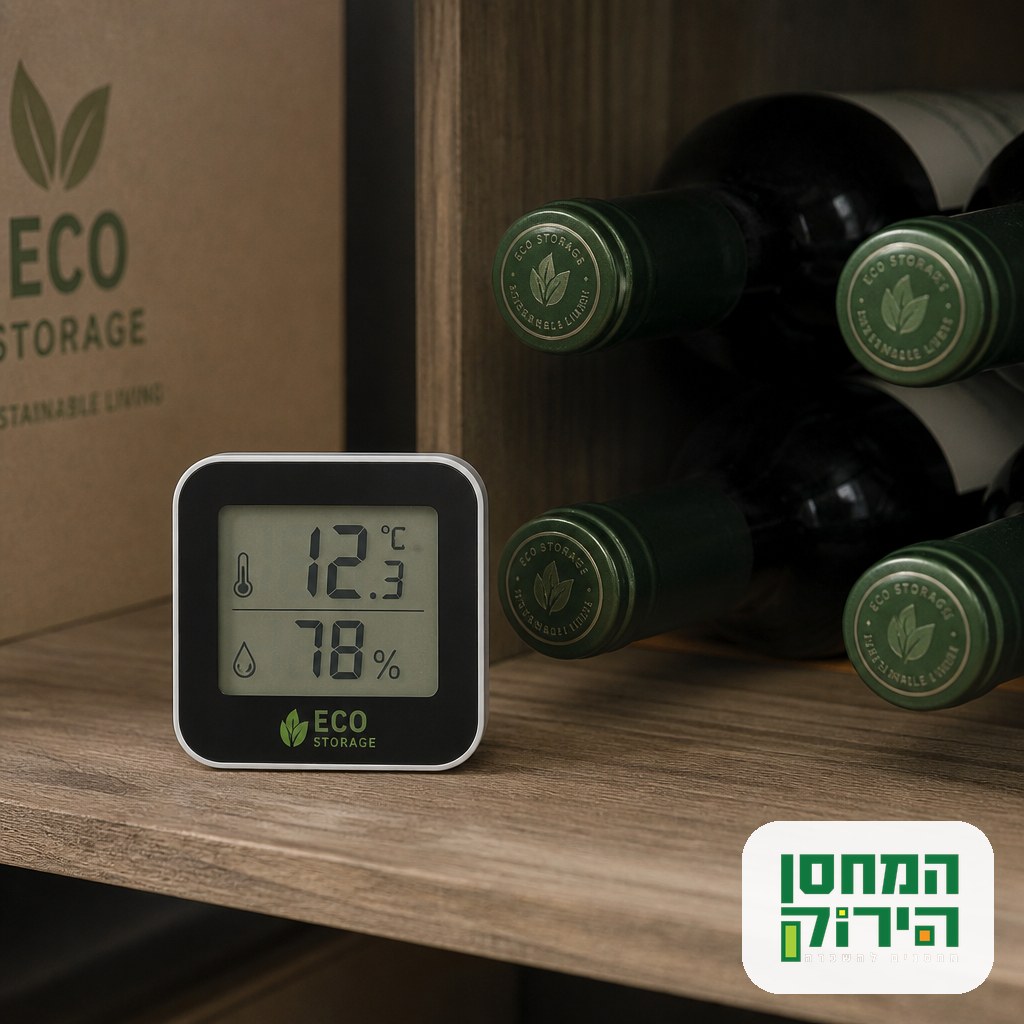
Recommended humidity around the bottles is 60 to 75 percent. Air that is too dry hardens the cork and shortens the life of the seal. Air that is too damp does not harm the wine, but encourages mould on labels and softens cartons. Either way, lift the cases off the concrete floor onto a pallet or a shelf.
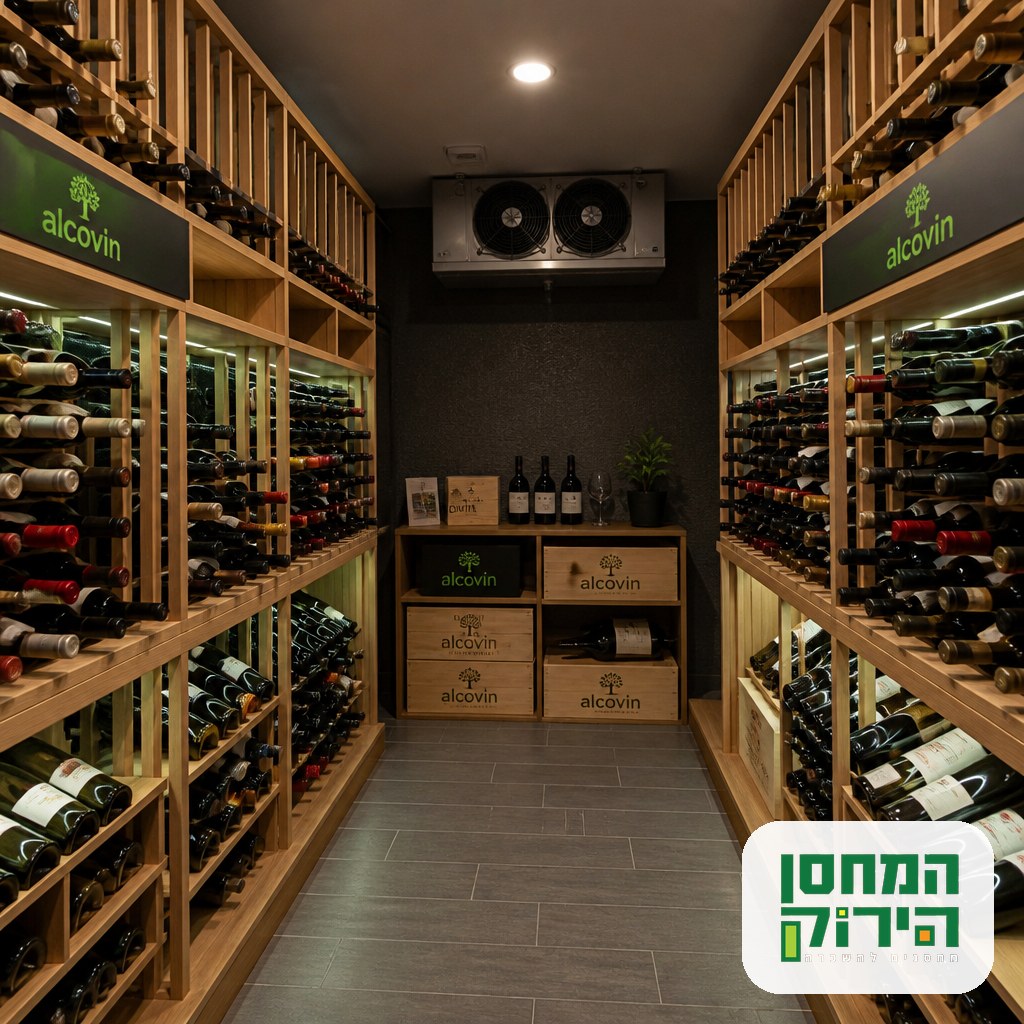
Light, especially ultraviolet from sunshine and fluorescent tubes, breaks down compounds in wine and creates the fault known as lightstrike. That is why so many bottles use dark glass, though dark glass is not full protection over years. A closed, dark space is a genuine advantage. Constant vibration, from a motor or a busy road, stirs up sediment, so a steady shelf in a quiet corner beats a rack by the door.
Preparation is short, and most of the difference comes from the right order. Here is the sequence we recommend before a collection goes into storage.
A bottle sealed with natural cork has to lie down so the wine keeps the cork damp and airtight. A screw cap or synthetic closure does not depend on internal moisture and can stand upright safely. Sparkling wine sits in between: the internal pressure keeps the cork damp anyway, but it is still usually laid down to save space and keep the stack stable.
Transport is where most bottles actually break. Carry cases flat and in a single layer, away from direct sun, and never leave them in a parked car in summer. Once they reach the unit, give them a day of rest so the sediment settles.
For a few dozen bottles, a stable corner of a small unit is usually enough. Once a collection grows, or is meant to sit for years, plan a long term storage solution from the start rather than shuffling it between temporary spaces. Every extra move means another jolt, another temperature change and another chance of breakage.
For olim and foreign residents there is one more thing to plan for. A collection that arrives by sea has already spent weeks crossing warm latitudes, and it needs a calm, stable home rather than another hot room while you settle in. Give the bottles a few weeks of rest before judging them, and open a sample bottle first.
The business picture differs. Restaurants, importers, wine shops and event producers hold stock that turns over constantly and need easy access, room for a trolley and the ability to move stock without shifting half the unit. Choose a size that leaves internal walkways and arrange stock by arrival date. A commercial storage solution is built for this pattern, separating fast moving stock from bottles held long term.

Most damage we see in stored collections has nothing to do with an unsuitable unit. It comes from a few habits that look sensible at the moment of packing.
How long a bottle keeps depends on the wine, not the unit. Light whites and roses are made to drink within one to three years of the vintage, mid range reds hold for three to eight, and only a few wines age for a decade or more. The right environment will not turn a simple wine into a fine old one, but it stops it falling apart early.
When the collection comes out, check the corks and fill levels first, then the labels. Let the bottles rest upright and undisturbed for a few days before opening, especially older wines with sediment. If the wine was stored with the rest of your household goods, unpack the wine cases first.
One more point, for peace of mind. A wine collection carries real financial and sentimental value, so confirm that your storage includes comprehensive contents insurance, covering rare events such as earthquakes. Proper cover is the difference between an annoying setback and a genuine loss.
Successful wine storage comes down to four things: steady temperature, sensible humidity, darkness and quiet. When those hold, a collection kept for years comes back exactly as you left it, and sometimes better. We have looked after private cellars and commercial stock for years and know how to position them so they keep well. Get in touch through our contact page to check what suits your collection and to get full details on sizes and availability.
Not always. For a few months, a closed and shaded unit with gentle swings serves most wines well. For a collection kept for years, for expensive bottles and for wines meant to age, a climate controlled space gives a clear advantage, especially through an Israeli summer.
So the wine stays in contact with the cork and keeps it damp and airtight. A cork that dries out shrinks and lets oxygen in, which is why bottles stored upright for a long time spoil. Screw caps and synthetic closures do not depend on this and can be stored standing.
The classic range is 12 to 14 degrees Celsius, but any stable temperature between 10 and 18 degrees keeps a home collection well. Stability matters most: a constant 18 degrees beats a space moving between 12 and 24 degrees through the day.
There is no limit from the storage side. The limit belongs to the wine: light whites are meant for one to three years, mid range reds for three to eight, and only some age longer. In a stable environment the wine reaches the end of its window in good condition.
The main signs are a cork pushed above the rim, sticky residue around the neck or under the capsule, and a fill level that dropped compared with identical bottles from the same case. A brown or orange tint in a young white usually points to heat or oxidation.
Yes. We offer comprehensive contents insurance for stored goods, including rare events such as earthquakes, so valuable items like a wine collection are protected. The rate is 1.8 shekels per month for every 1,000 shekels of declared value, and the cover amount can be matched to the value of the collection you are storing.

How can we help you today?