Every autumn and every spring the same question comes up in Israeli homes: where do you put the portable AC, the tall fan and the electric heater once the season turns. Air conditioner storage looks like a simple matter of moving a machine into a corner, but these units hold water, filters and sensitive electrics, and one careless season is enough to find mould, a sour smell or a unit that will not start when the heat returns. If you are between apartments, spending several months abroad or simply short of space in a Tel Aviv flat, this guide covers how to prepare each type of unit, what to do with the rest of your seasonal gear, and how to arrange it all in a storage unit so it works from day one next season.

An air conditioner is not just another appliance you slide into a cupboard. Its whole job is to pull moisture out of the air, so even after you switch it off there is water left inside: on the evaporator coil, in the condensate tray, in the hose and often at the bottom of the housing. Seal a damp unit in a plastic bag, push it into a dark corner for six months, and that trapped moisture becomes an ideal home for mould and odour in exactly the places a normal wipe-down never reaches.
Two other factors matter. The first is the compressor inside portable and window units. It holds oil that must stay where it belongs, which is why the machine has to travel and sit upright, never on its side. The second is dust. Filters and coils collect a full season of it, and storing a dirty unit lets that dust bake on, which means weaker airflow, a musty smell and a service call when you plug it back in.
Israel’s coastal humidity makes both problems worse, so drying time matters more here than a manufacturer’s manual might suggest.
The preparation differs slightly by unit type, but the principle is identical everywhere: drain the water, clean the filters, dry it thoroughly and only then cover and store. The whole process takes a day or two, most of which is passive drying time.
The portable unit is the one most people put into storage, and the one that holds the most water. Before you unplug it, run it on fan-only mode for a few hours so the evaporator dries from the inside. Then disconnect it from the power, remove the exhaust hose from the window kit and start the cleaning.
Find the drain plug at the back or underneath the unit, place a shallow tray or a towel beneath it and let every drop run out. Tip the unit gently toward the drain opening to clear what is left at the bottom, then stand it upright again straight away. Wipe the housing and the air outlet with a dry cloth and leave the machine open to room air before you cover it.
The simple rule is to leave the drained unit standing open for at least 24 hours in a ventilated room, and closer to 48 hours if you live near the coast. A fan pointed at the vents shortens that considerably. You know it is dry when there are no droplets around the drain opening and the filter is completely dry to the touch, edges included.
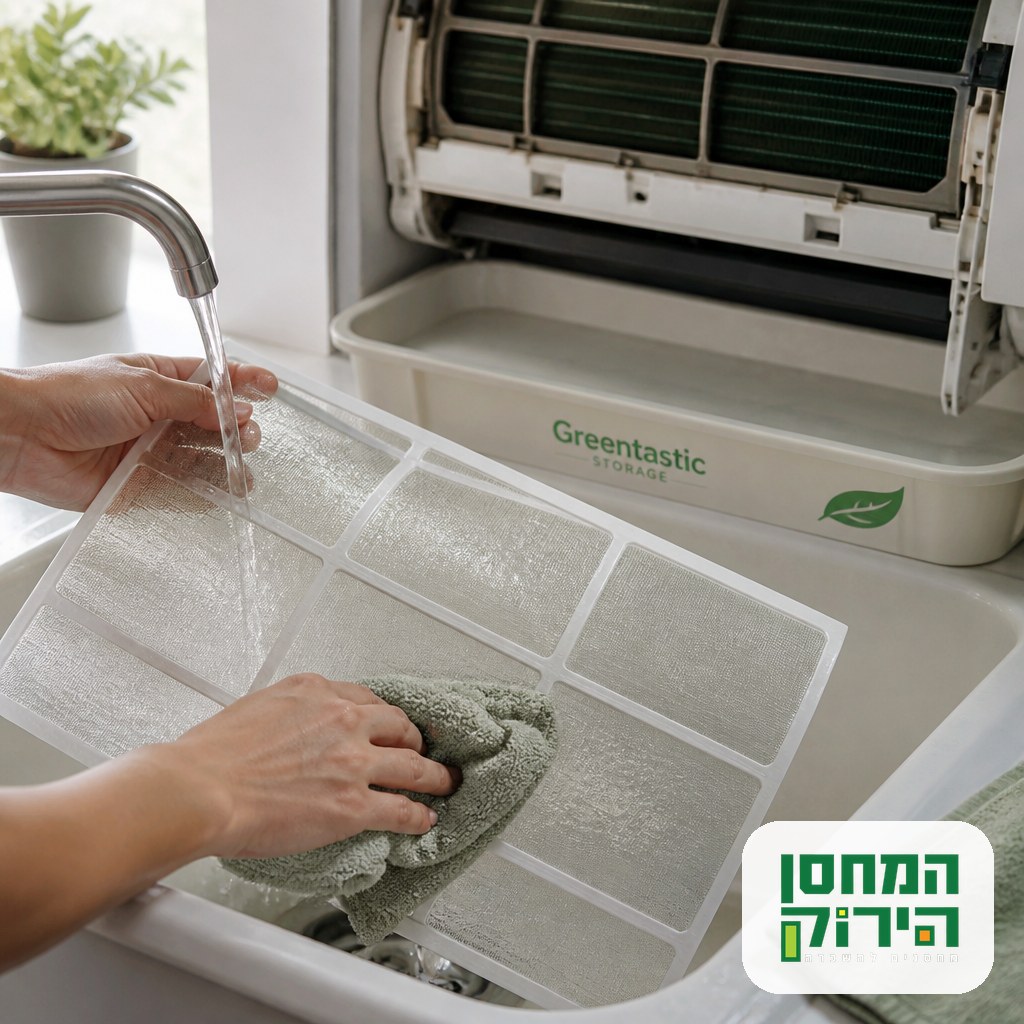
A sour smell almost always means leftover moisture, not a fault. Wash the filters in lukewarm water with a little mild soap, dry them completely before sliding them back in, and give the unit another open day. A moisture absorbing sachet near the vent helps, as long as the cover stays breathable and does not seal the machine.
A window unit that has been taken out of its frame needs the same treatment plus two extra points. First, make sure the internal tray has drained completely before you move it, or the water will end up on the stairs. Second, the unit is heavy and badly balanced, so lift it with two people and set it on a stable surface. Store it in its normal working position, upright and level, never on its side or its back.
A split system is not a do-it-yourself job. Removing one involves pumping the refrigerant back into the outdoor unit and disconnecting copper pipework, and doing it wrong means lost gas and a damaged compressor. Book a licensed technician, and ask them to cap and label the pipe ends. Store both units upright, keep the pipework coiled in a wide loop rather than folded at a sharp angle, and keep the brackets and bolts in one labelled bag taped to the unit.
Alongside the AC, most homes have a second group of machines that work half the year and rest the other half. The logic is the same: clear the dust, dry any moisture and store them standing steady, so next season you simply plug them in.
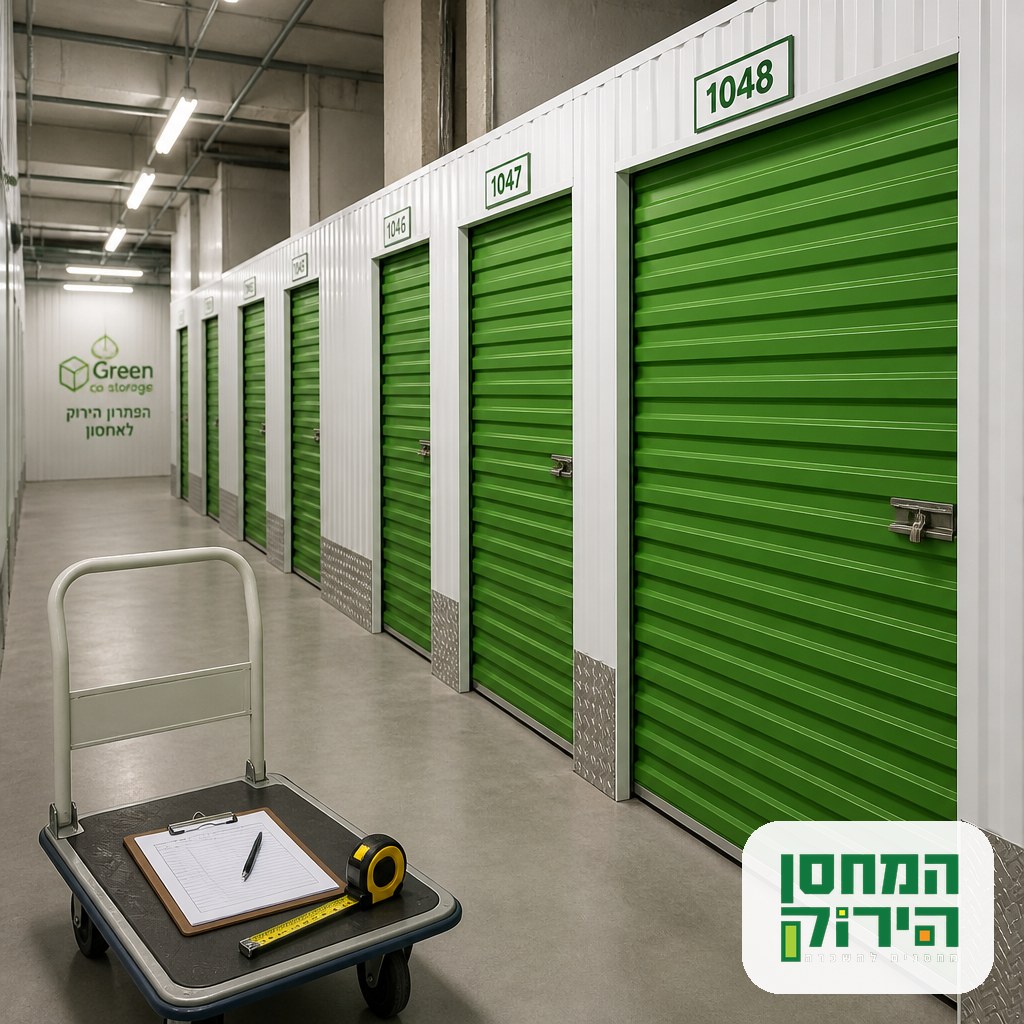
If you are clearing the gear for a single season rather than indefinitely, a self storage unit rented by the month fits this need precisely: an organised space for a few months, without committing to a long period and without the machines taking over a spare room.
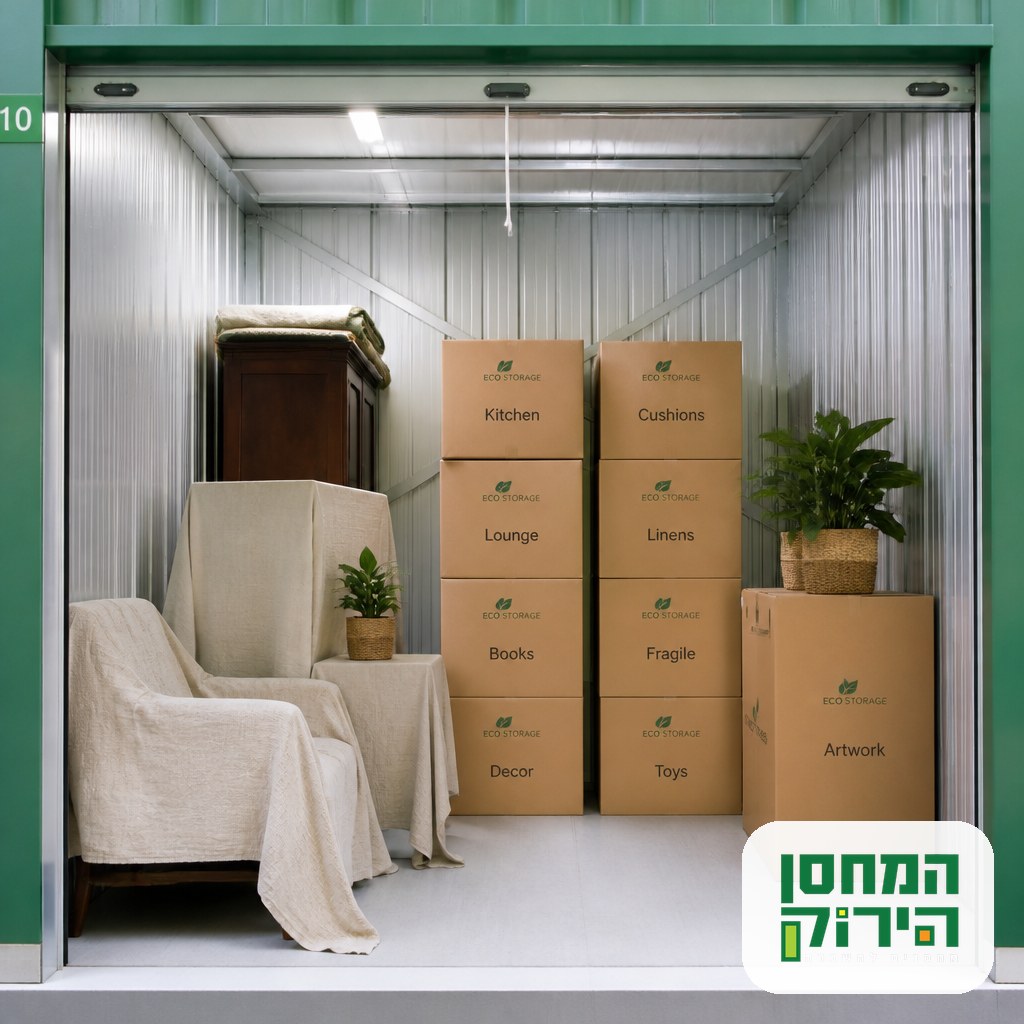
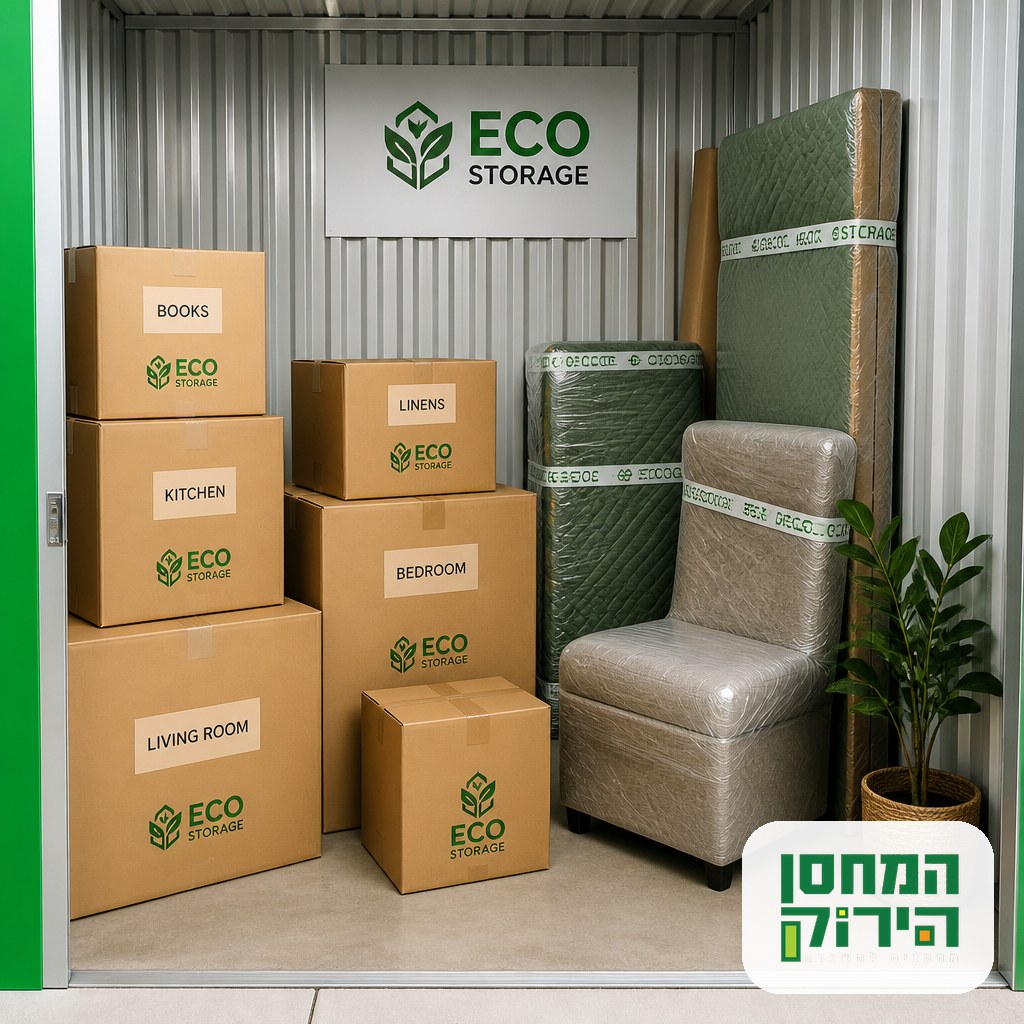
How you arrange the storage unit matters as much as the preparation. Seasonal machines should stand upright on a pallet that separates them from the floor, with a small ventilation gap from the wall and from each other, and always under a breathable cover rather than sealed plastic. If they are going in alongside the rest of your household goods, our guide to apartment storage in Tel Aviv explains the same principle: heavy items first along the walls, light boxes stacked above them, so nothing needs moving twice.
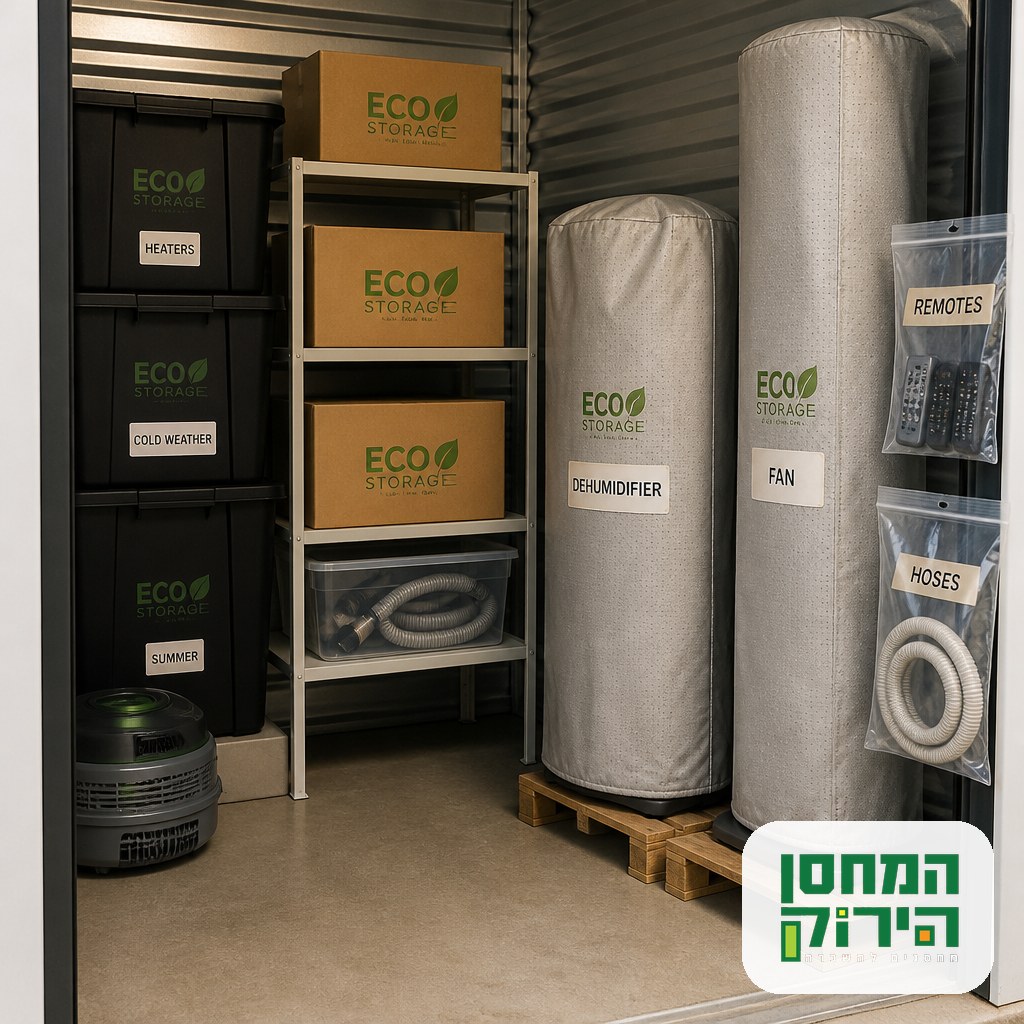
Work out the total volume before you book, then add room to move around. Proper covers, tape and labels from our packing supplies shop prevent most of the dust and scratch damage we see.
Most of the damage we see at the start of a season comes not from a faulty machine but from a shortcut taken six months earlier. These are the mistakes that repeat most often:
A service balcony, a stairwell cupboard or a corner of the parking garage all look convenient, and all of them are the harshest environment you could choose. Temperature swings, coastal humidity and dust do quiet damage over months. A proper storage unit gives you a dry, ventilated and secured space, and hands back the room at home. It is also worth making sure the contents are covered by comprehensive insurance that includes events such as earthquakes, so expensive equipment stays protected.
Air conditioner storage comes down to three principles: drain and clean, dry thoroughly before you cover, and store upright on a pallet with ventilation and a breathable cover. That short preparation prevents odours, rust and repair bills, and it means the machine works from the first minute next season. Green Storage offers clean, secure and well maintained storage units for a single season or for the long term. Get in touch with our team today and we will match the right unit to your equipment.
Start two days before the move. On the first day run the unit on fan-only mode, drain the water and wash the filters. On the second day let it stand open in room air until it is fully dry. Along the humid coast, add a few more hours of drying before you cover it.
It is not recommended. Laying or tilting the unit for a long period lets the compressor oil move out of position and can weaken cooling when you switch it on again. Store it upright, and keep it as upright as possible during transport too.
No. Removing a split system involves pumping down the refrigerant and disconnecting copper pipework, and amateur work risks losing gas and damaging the compressor. Book a licensed technician, ask them to cap the pipe ends, and keep the brackets and bolts in a labelled bag with the unit.
Use breathable fabric or a moving blanket, not sealed plastic. Sealed plastic traps vapour between the cover and the housing and speeds up rust, while a breathable cover keeps dust off and lets air circulate around the machine for the whole storage period.
Yes. At Green Storage you can insure the contents with comprehensive cover that includes earthquakes, so even expensive equipment stays protected for the whole period. The rate is 1.8 shekels per month for every 1,000 shekels of declared value, and the cover can be matched to what your equipment is worth.
A portable air conditioner, a fan, a heater and a few accessory boxes take up relatively little volume, but the exact size depends on quantity and on whatever else goes in with them. The safest approach is to describe the list and get a personal recommendation on unit size and rental period.

How can we help you today?