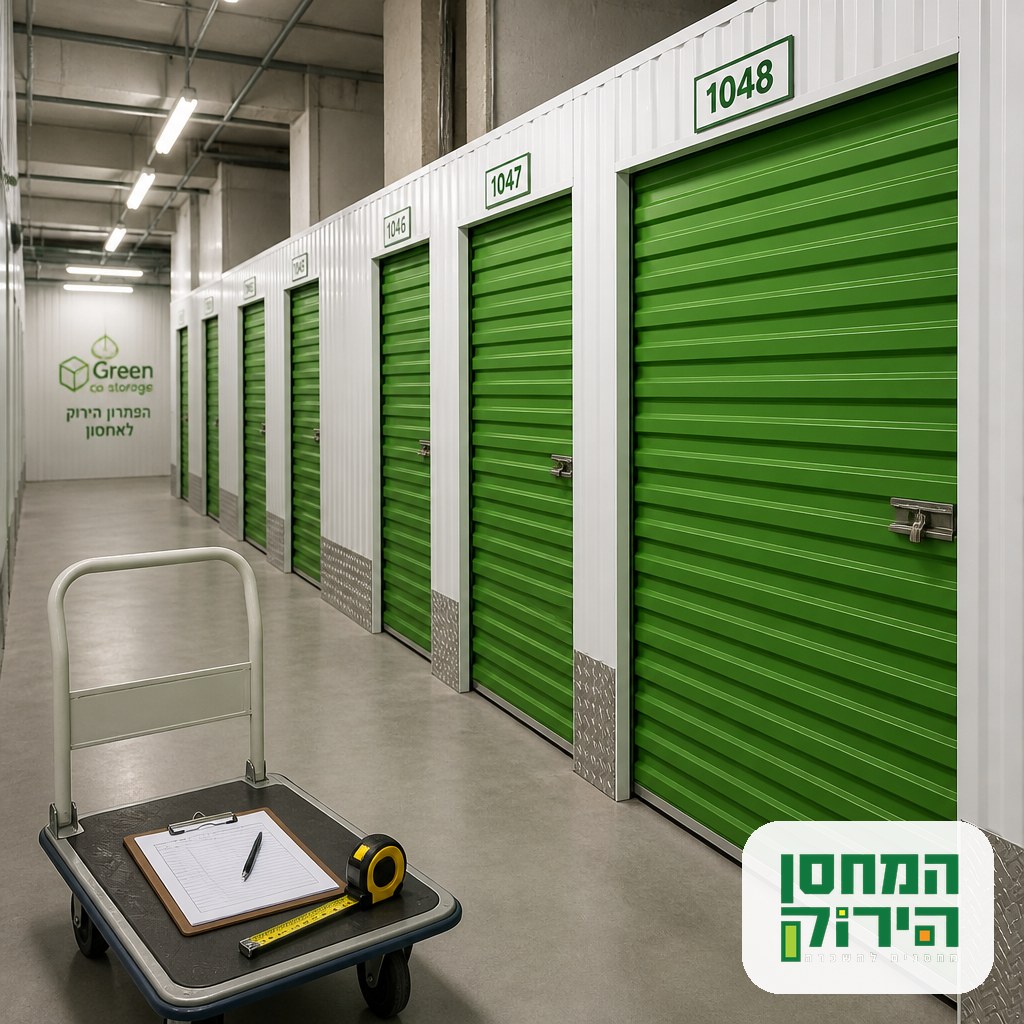
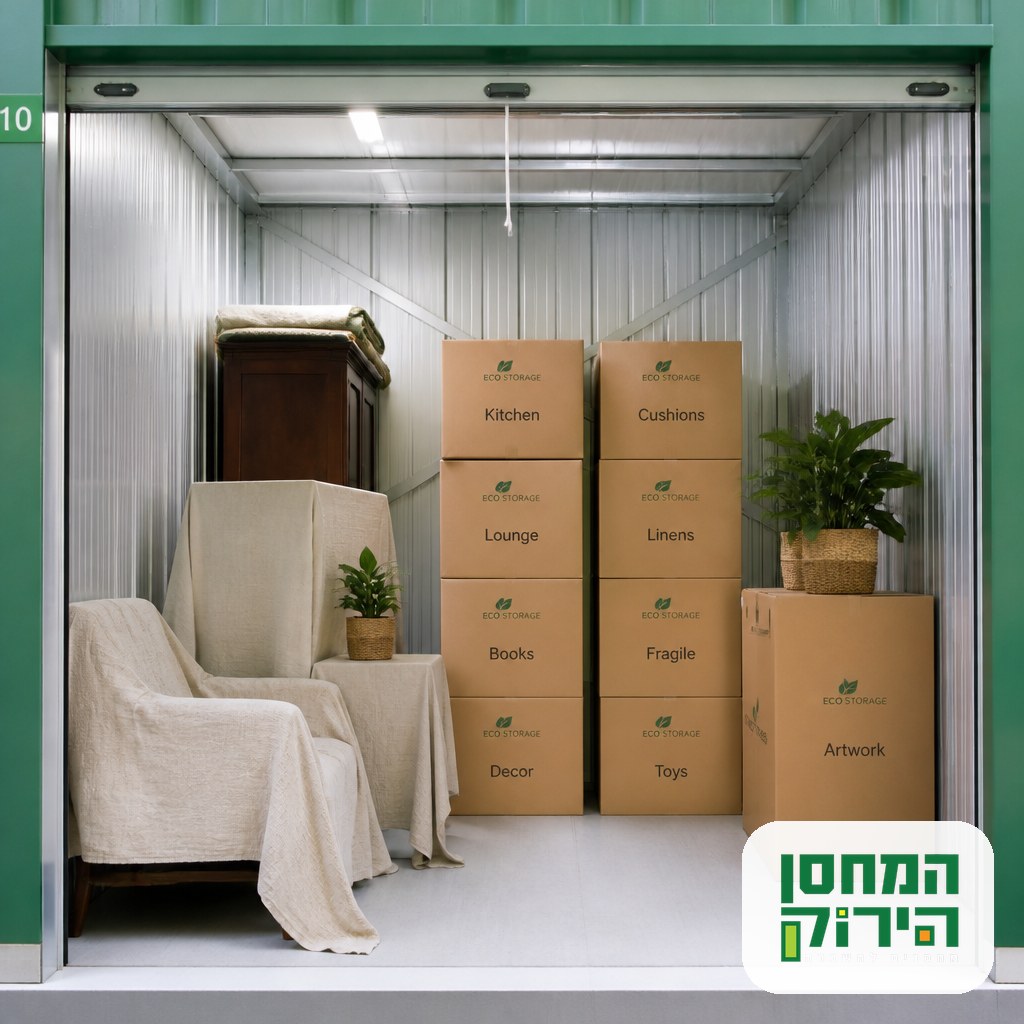
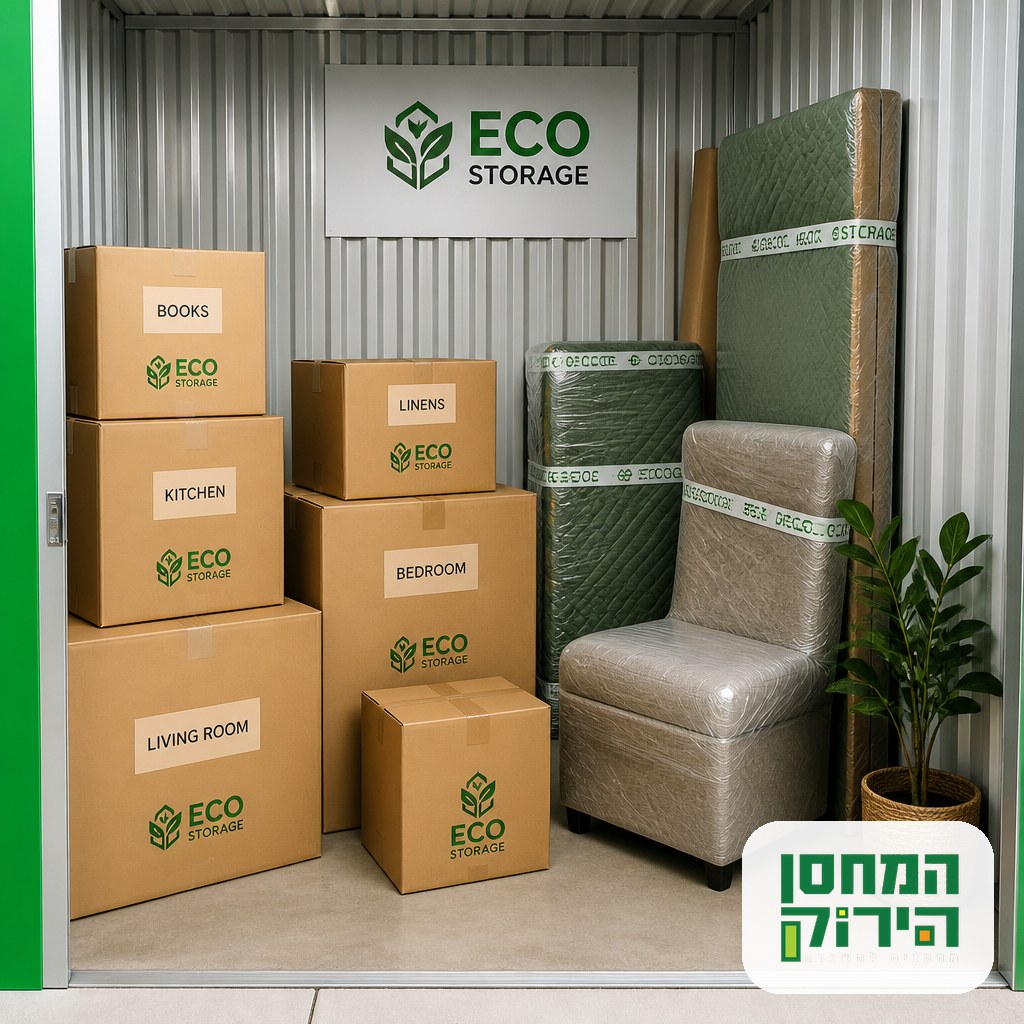
Appliance storage is one of the trickiest parts of any move, renovation or long stay abroad, and it is the part people most often get wrong. A fridge, a freezer and a washing machine are heavy, expensive and full of hidden water, so a shortcut in the preparation can end in a sour smell that never leaves the drum, mould around the door seal, or a compressor that refuses to cool. The preparation itself takes a day or two at most. This guide covers how to empty, dry, secure and position each machine so it comes out of storage exactly as it went in.

A dry sofa that goes into a unit stays a dry sofa. An appliance almost always holds water even when it looks empty. A fridge keeps moisture in the drawers and the rubber door gasket, a freezer hides ice in corners you cannot see, and a washing machine holds litres of water in the drain hose, the pump filter and the drum. Close a door on trapped moisture and a slow process of mould, odour and corrosion begins in the places hardest to reach.
Large appliances also contain parts that are sensitive to movement and angle. A fridge and a freezer have a compressor and oil that need to stay where they belong, and a washing machine has a drum suspended on springs that can swing and damage itself in transit. Preparing an appliance for storage is therefore not only about cleaning. It is about draining, securing and keeping the machine upright for the whole period.
This matters even more in Israel. Coastal humidity in Tel Aviv and the Sharon is high most of the year, and many rental moves happen in July and August, exactly when trapped moisture does the most damage.
Fridges and freezers are the appliances where damage shows up most often after storage, and also the ones that are easiest to protect. Disconnect them early enough, empty them, clean them, and above all dry them thoroughly before anything is closed.
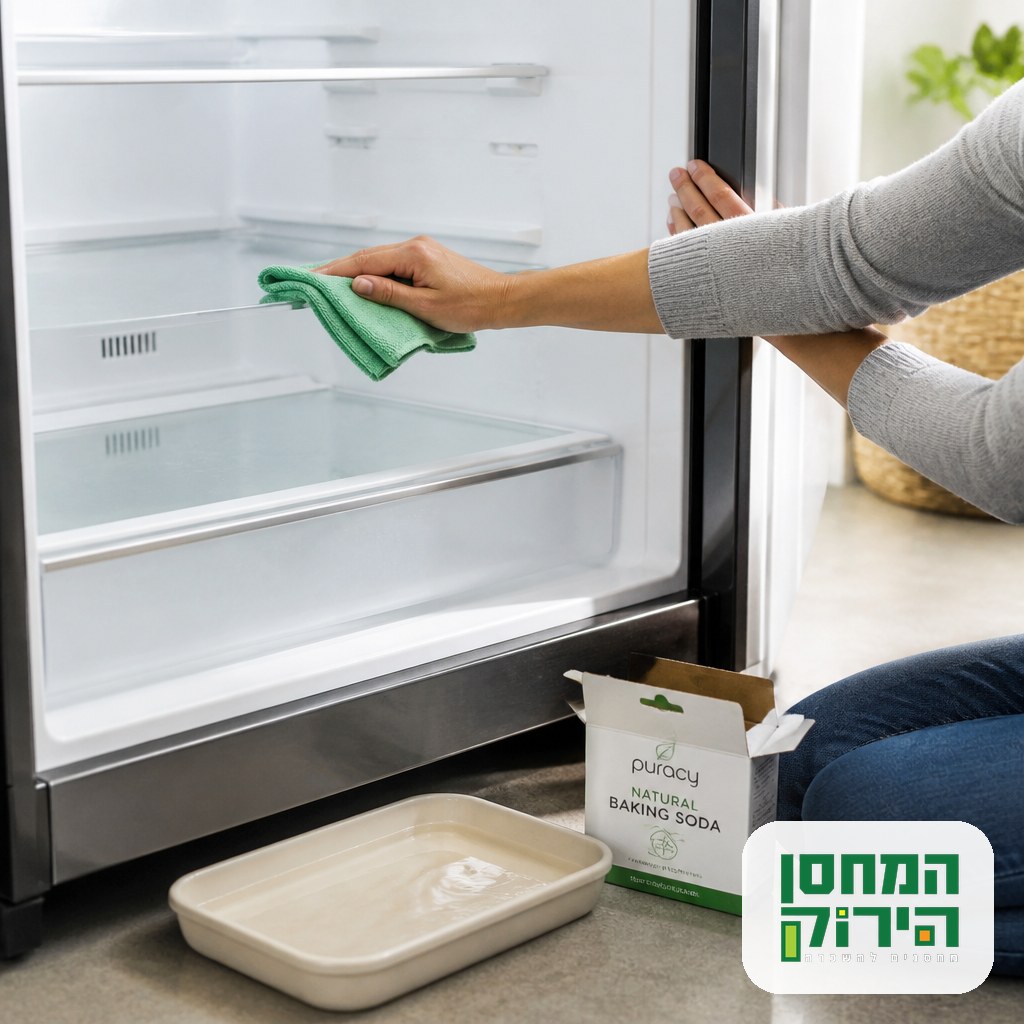
Unplug the appliance at least a full day before collection, take everything out, and remove all shelves and drawers. Put towels or a shallow tray underneath to catch the meltwater, then wipe everything down. Lukewarm water with a mild detergent is enough, and for stubborn smells a solution of water and baking soda works well. Do not skip the rubber door gasket, where moisture collects and mould starts, or the small drain channel at the back of the fridge compartment.
The simple rule is to leave the appliance standing open for at least 24 hours after the final wipe, and up to 48 hours during the humid summer months. Good airflow in the room shortens that time, and a fan pointed into the cabinet speeds it up considerably. Remember that shelves and drawers dry more slowly than the walls, so dry them separately and leave them out until they are completely dry.
A few signs give away trapped moisture: light condensation on the walls after the door has been shut for a few minutes, droplets in the corners of the drawers, a gasket that still feels cold and damp, and a musty smell that gets stronger when the cabinet is closed. Any one of them is a good reason to leave the appliance open for another day.
Wipe the surfaces again with a dry cloth, separate the shelves, and air the appliance in a dry, ventilated room. An open box of baking soda or a moisture absorbing sachet placed inside will soak up the remainder and prevent odours, as long as the door stays slightly open throughout the storage period so air can circulate.
Fridges and freezers must travel and stand upright. Tilting one onto its side lets the compressor oil run into the cooling lines and block them, and the machine may then fail to cool when you reconnect it. If a machine did end up tilted during the move, stand it upright and leave it unplugged for several hours before switching it on. The safe habit is to keep it vertical the whole way, in the van and in the unit.
A washing machine holds more leftover water than any other appliance in the house, and it is also the most sensitive to transport. Residual water plus an unsecured drum is the classic recipe for a bad smell and mechanical damage, and both are easy to avoid.
Run a short empty cycle with citric acid or a dedicated machine cleaner to clear the drum, then close the tap and disconnect the inlet hose. Open the pump filter at the bottom of the machine over a flat tray and let the water drain out completely, then empty the drain hose into a bucket. Finish by wiping the drum, the detergent drawer and the rubber door seal, and leave the door and the drawer open for at least a day until the machine is dry inside.
Most washing machines ship with transit bolts that lock the drum in place. If you kept them, this is the moment to put them back: they stop the drum from swinging on its springs and damaging itself or the pump. If the bolts are long gone, pack the drum with thick towels or blankets so it cannot move, and transport the machine upright and slowly. A tumble dryer is less sensitive to movement, but it still needs its lint filter cleaned and a full dry out before storage.
How you place the machines matters as much as how you prepared them. Appliances should stand upright on something that lifts them off the floor, with a small ventilation gap from the wall and from their neighbours, and the door left slightly open so air keeps moving inside. If you are storing a whole household, our full range of storage services covers collection and placement, and the heavy machines go in first along the walls so nothing needs shifting later. Never stack heavy boxes on top of an appliance, especially not on a chest freezer lid or a washing machine top panel.
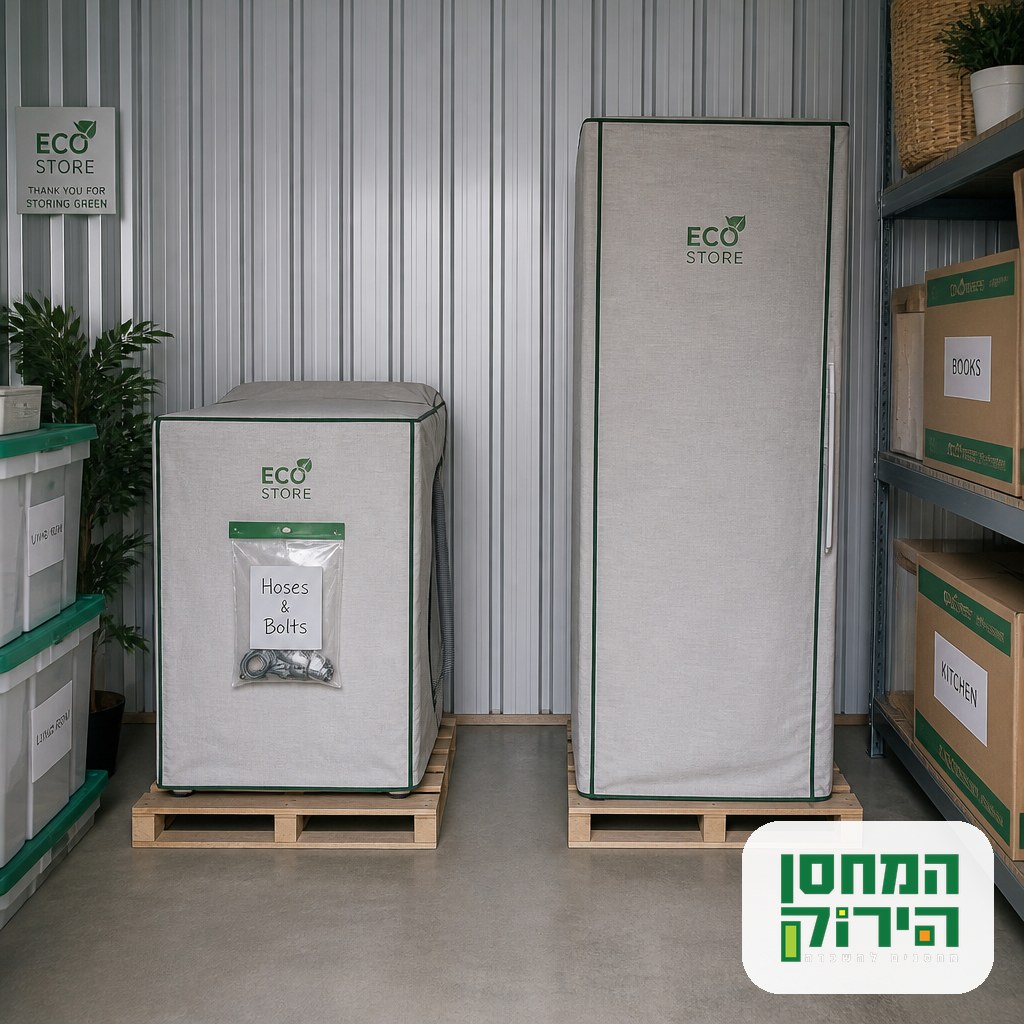
Renters in the centre of the country often store a full kitchen between leases. If that is your situation, apartment storage in Tel Aviv explains how to combine appliances, furniture and boxes in one unit without wasting space.
Most of the damage we see is not caused by the wrong unit. It is caused by a shortcut during preparation. These are the mistakes that repeat most often:
The longer the storage period, the more the conditions matter. A dry, ventilated and well maintained facility prevents most problems before they start, and a short check every few months lets you catch humidity or odour early. It is also worth making sure the contents are covered by comprehensive insurance that includes events such as earthquakes, so expensive machines are never left exposed. If you still need boxes, covers or tape, the packing materials shop stocks what the move requires.
Good appliance storage comes down to three principles: empty and clean, dry deeply and leave open, and store upright on a raised surface with room to breathe. A day or two of preparation is what stands between a machine that works the moment you plug it in and an expensive repair you did not plan for. Green Storage offers clean, secure and well maintained units with personal guidance from the first phone call. To find the right unit for your appliances and the rest of your belongings, talk to our team and we will size it with you.
Unplug a fridge or freezer at least 24 hours before collection. That gives it time to defrost fully, and gives you time to clean and dry the cabinet, the drawers and the door gasket. In the humid Israeli summer, add a few more hours of open air drying before anything is closed.
It is not recommended. Laying a fridge on its side lets the compressor oil flow into the cooling lines and it may stop cooling when you restart it. Store the machine upright, and keep it as vertical as possible during transport too.
Yes, slightly open. A closed door on a sealed cabinet traps humidity and creates odour and mould. Tie the door loosely with a soft strap or wedge a folded towel into the gasket so a small gap stays open and air can circulate for the whole period.
Collect every accessory into one labelled bag: inlet hose, drain hose, transit bolts and caps. Tape the bag to the back of the machine so it cannot get lost and is ready on the day the appliance is reinstalled in your new home.
Yes. Contents stored with Green Storage can be covered by comprehensive insurance that includes earthquake cover, so expensive appliances stay protected for the whole period. The rate is 1.8 shekels per month for every 1,000 shekels of declared value, and the cover can be matched to the value of your belongings.
A fridge, a freezer and a washing machine take up little floor space when they stand against a wall, so the size you need depends mostly on everything else going in with them. The most accurate way to choose is to describe your full list of items and get a personal recommendation.

How can we help you today?