Pest control in storage is one of the easiest things to overlook, yet it often decides whether your belongings come back to you in perfect condition or ruined. Rodents and insects do not care whether they are in a home or a storage unit, and they are drawn to exactly what sits in your boxes: paper, fabric, wood, dry food and soft packing materials. The good news is that prevention is far simpler than dealing with damage after it happens. This guide explains which pests threaten stored items, how to spot the early signs, and the practical packing, organizing and facility choices that keep them out for good.

Pest control in storage is not a one time spray after a problem appears. It is a preventive approach that keeps rodents and insects from ever settling in your unit. The goal is a clean, dry and sealed environment that simply does not invite them. When you store belongings for a long period, even a single pest that gets inside can multiply and cause cumulative damage that you only discover when you return to collect your things.
The stakes rise with the value and sensitivity of what you store. Wooden furniture, books, photo albums, clothing and documents are exactly the items pests love, and the damage they cause is usually irreversible. A small investment in prevention saves a great deal of frustration later, which is why it should be treated as an inseparable part of the storage process rather than an afterthought.
To prevent damage, you first need to know what you are up against. In storage facilities in Israel you mostly encounter two families of pests: rodents and insects. Each behaves differently, leaves different signs and calls for its own prevention measures. The better you understand their habits, the more you can reduce the risk at the packing and organizing stage rather than reacting after the damage is done.
Rodents are the most serious threat because they are strong, persistent and able to squeeze through surprisingly small gaps. They gnaw to wear down their teeth, destroying cardboard boxes, furniture upholstery, electrical cables and fabric in the process. They also leave droppings and waste that can stain your belongings and leave a stubborn odor behind.
The first signs are usually the rodents own handiwork: small droppings along the walls, gnaw marks on the corners of boxes, shredded packing material used to build a nest, and a sharp unpleasant smell. Sometimes you also hear faint rustling behind the boxes. Any one of these signs calls for an immediate check.
Even before you see an actual rodent, watch for the subtle clues: crumbs or debris near boxes that should be sealed, tiny holes in bags or cardboard, and dark greasy smudges along regular travel paths. Catching these early lets you stop the problem before it spreads through the whole unit.
When you notice signs of rodents, remove the affected items, clean the area thoroughly, seal every possible gap and move your belongings into rigid airtight containers. It is important to tell the facility operator so they can treat the shared space professionally, rather than settling for a local fix inside your unit alone.
Insects are less obvious than rodents but no less harmful. Clothes moths feed on natural fibers such as wool and silk and put holes in expensive garments. Silverfish thrive in damp conditions and eat paper, books and photographs. Roaches are drawn to food traces and moisture. What they share is that they breed quietly and cause damage that shows up late, which is why airtight packing and a dry environment are your main weapons against them.
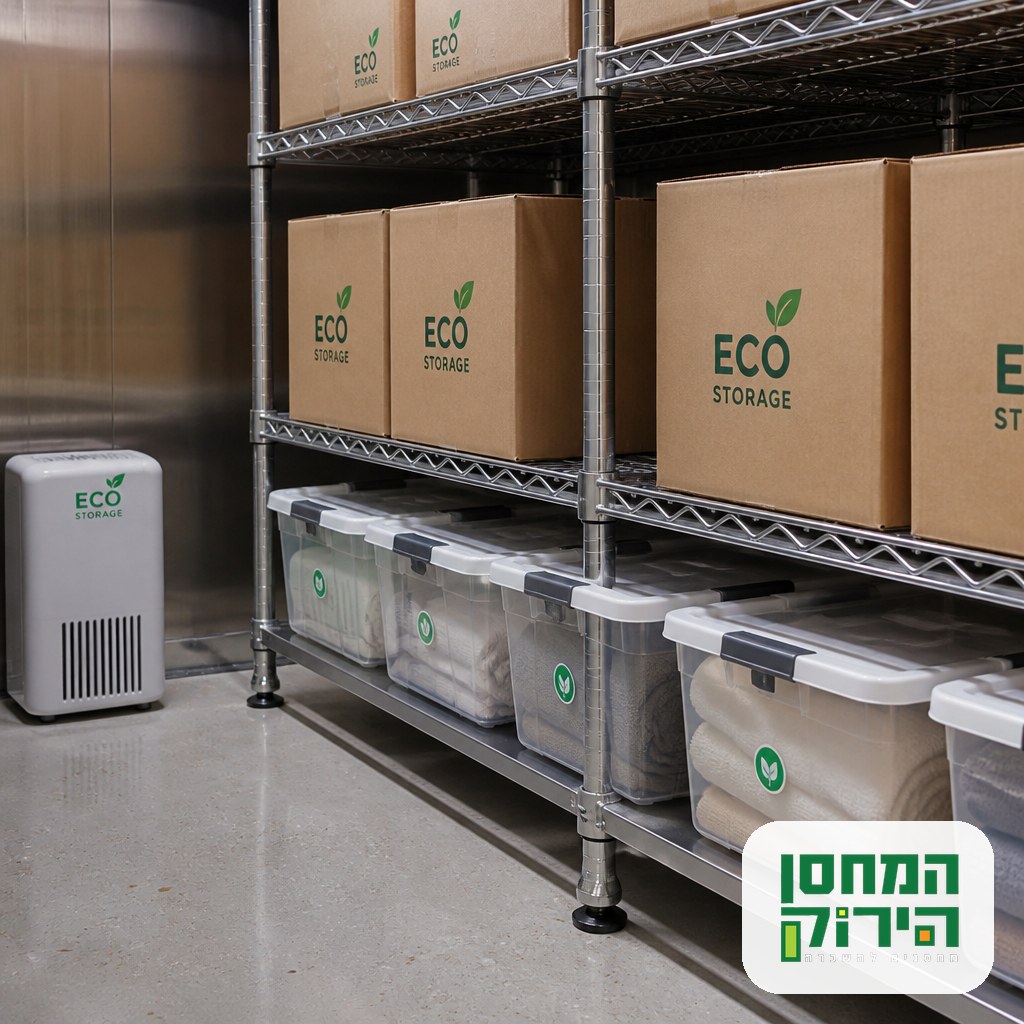
Effective prevention starts before the first box even enters the unit and continues throughout the storage period. These are the key steps that keep pests away and keep your belongings clean and safe:
For larger and more sensitive pieces, professional self storage units already include the conditions and measures that keep pests out, so you do not have to manage every detail yourself.
Not every storage space offers the same protection against pests. Before you sign, make sure the facility meets the basic conditions that make it hard for rodents and insects to enter and keep the environment clean over time:
If you are planning long term storage of months or years, these conditions matter even more, because pests have more time to enter and settle if the protection is only partial.
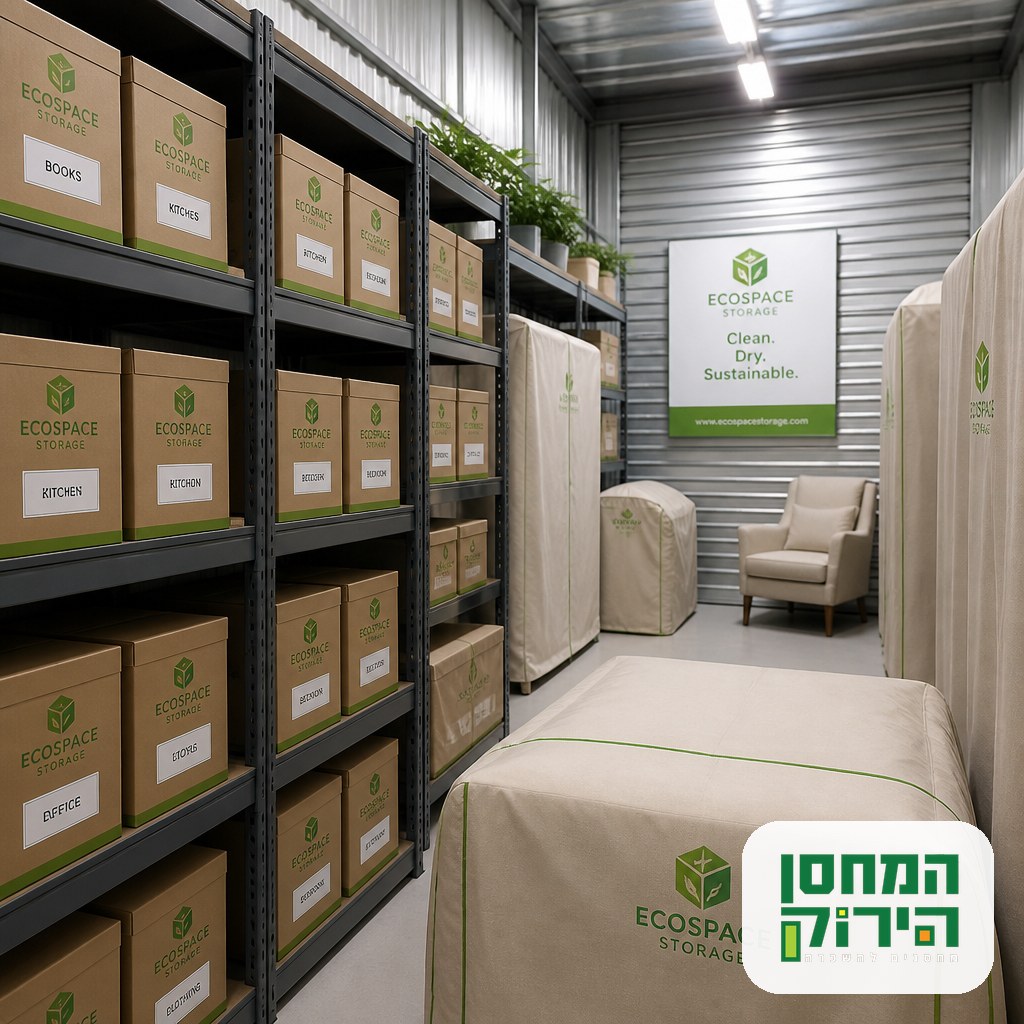
Packing is your first and most important line of defense. Even in a well protected facility, careless packing opens a door for pests, while proper packing keeps your belongings sealed and isolated. Choosing the right storage services and packing method is the difference between items that stay perfect and boxes that are quietly damaged.
Beyond the packing itself, think about placement inside the unit. Especially sensitive items such as textiles, books and documents are best kept high on shelving and in the most airtight containers, away from the floor and walls, while sturdier items can sit in the lower layers. Thoughtful arrangement not only makes it harder for pests to reach valuable pieces, it also makes quick inspections easier without unpacking the whole unit.
Pest control in storage is not a single action but a preventive mindset: a clean, dry environment, airtight packing, smart organizing and a well maintained, secure facility. Combining these steps keeps rodents and insects away and ensures your belongings come back exactly as you left them. At Green Storage you will find clean, well maintained and secure units with personal guidance in English every step of the way. Contact us today to get a quote and choose the storage solution that fits your belongings. You can also reach our team through our contact page with any question.
In a professional, well maintained facility, preventive pest treatment is carried out regularly in the shared areas, so you do not need to fumigate yourself. What matters is packing correctly, cleaning and drying your items, and avoiding storing food, so you do not bring pests in with your belongings.
The most effective combination is rigid airtight containers, lifting boxes off the floor, a clean dry environment and a strict ban on storing food. Together with a sealed structure and regular facility maintenance, this keeps rodents away almost entirely.
Cardboard is fine for short storage in a protected environment, but for the long term, airtight plastic containers are better. Cardboard absorbs moisture, weakens over time and lets pests through easily, so sensitive items are best kept in rigid packaging.
The most exposed items are clothing and textiles made of natural fibers, books and documents, photo albums and upholstered wooden furniture. All of these are eaten or damaged by pests, so they need airtight packing and a dry, controlled environment.
It is best to visit the unit every few weeks to a few months, depending on how long you store. Periodic checks let you spot pest signs early, confirm the packing is intact and act at once if a problem appears, before it spreads.
Lightly affected items can often be cleaned and aired out, but real damage such as gnawing, holes in fabric or deep stains is usually irreversible. That is exactly why prevention matters so much: it is far cheaper and simpler to prevent damage than to try to fix it afterward.

How can we help you today?