If you are moving, renovating or arriving in Israel between June and September, you are storing your belongings in the hardest season of the year. Summer storage in this country combines long stretches of intense heat, high coastal humidity, dry dusty hamsin days and sharp temperature swings between afternoon and night. Israeli lease cycles push most moves into exactly these months, so a huge share of household goods goes into storage at the worst possible time. The good news is that almost every summer storage problem is preventable. Clean and fully dry belongings, breathable covers instead of sealed plastic, boxes lifted off the floor and a little airflow will carry your things through the season without warping, rust or that unmistakable musty smell.

In winter the main enemy is straightforward rain and dampness. Summer works on your belongings in two directions at once. Sustained heat softens materials and speeds up chemical reactions from the inside, while hot air holds far more water vapor and releases it the moment temperatures drop after sunset. That daily cycle of expansion and contraction is what loosens glue joints, lifts veneers and cracks seals.
Two local factors make it more demanding than a European or North American summer. The first is Mediterranean humidity along the coastal plain, which stays high even on perfectly clear days, so Tel Aviv, Netanya and Herzliya are far more humid than the numbers on a weather app suggest. The second is the hamsin, a hot dry wind that carries fine dust into every opening and settles on every surface. Newcomers often assume dry heat is harmless, then open a box in October and find rusted hinges and a mildew stain on an upholstered chair.
Damage comes from two separate mechanisms, and each one calls for a different defense. Understanding the difference tells you where to spend your effort.
Prolonged heat softens materials and accelerates aging. Solid wood dries out and splits at the edges, particle board and flat pack furniture swell at the joints, and thin plastic deforms under the weight of whatever sits on top of it. Vinyl records, candles, wax products and oil based paints are especially vulnerable. Book bindings and glued furniture lose adhesive strength, which is exactly why a tall stack that felt perfectly stable in June can slump by the end of August.
Electronics suffer mostly from the temperature swings rather than the peak temperature. Internal batteries drain faster in heat and can swell, and appliances holding oil or coolant may develop a slow leak. Empty, dry and disconnect every appliance before it goes into the unit, and never store a device with batteries left inside it.
Humidity is the more destructive of the two because it works silently. Warm moist air enters the unit during the day, cools overnight, and the vapor condenses on cold surfaces such as metal, glass and mirrors. A thin film of moisture is all it takes for mold spores, which exist in every environment, to start growing on fabric, leather and paper.
Some belongings behave like sponges. Mattresses, cushions, fabric sofas, rugs, towels, bed linen, books, photo albums and documents draw moisture straight out of the air and hold onto it for a long time. If they were packed even slightly damp, or sealed inside an airtight plastic bag, the moisture is trapped with them and the damage starts on day one.
A short visit to your unit every few weeks prevents almost all serious damage. The first warning signs are usually things you smell and feel before you see them: a heavy musty odor when the door opens, a cool damp feel to the cardboard, or a box that has gone soft along the bottom edge.
If you notice any of the following, do not wait for your next visit. Take the item out, dry it in open shaded air and trace where the moisture is coming from.
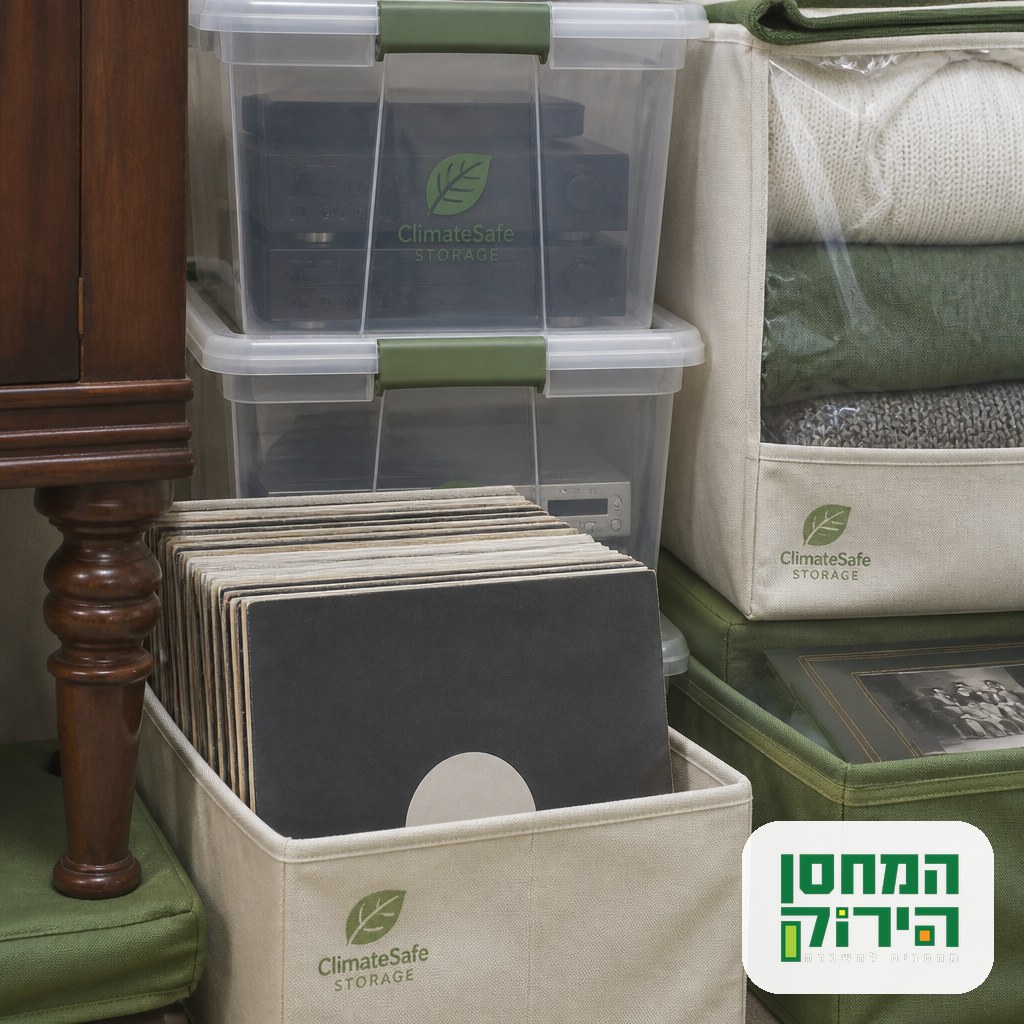
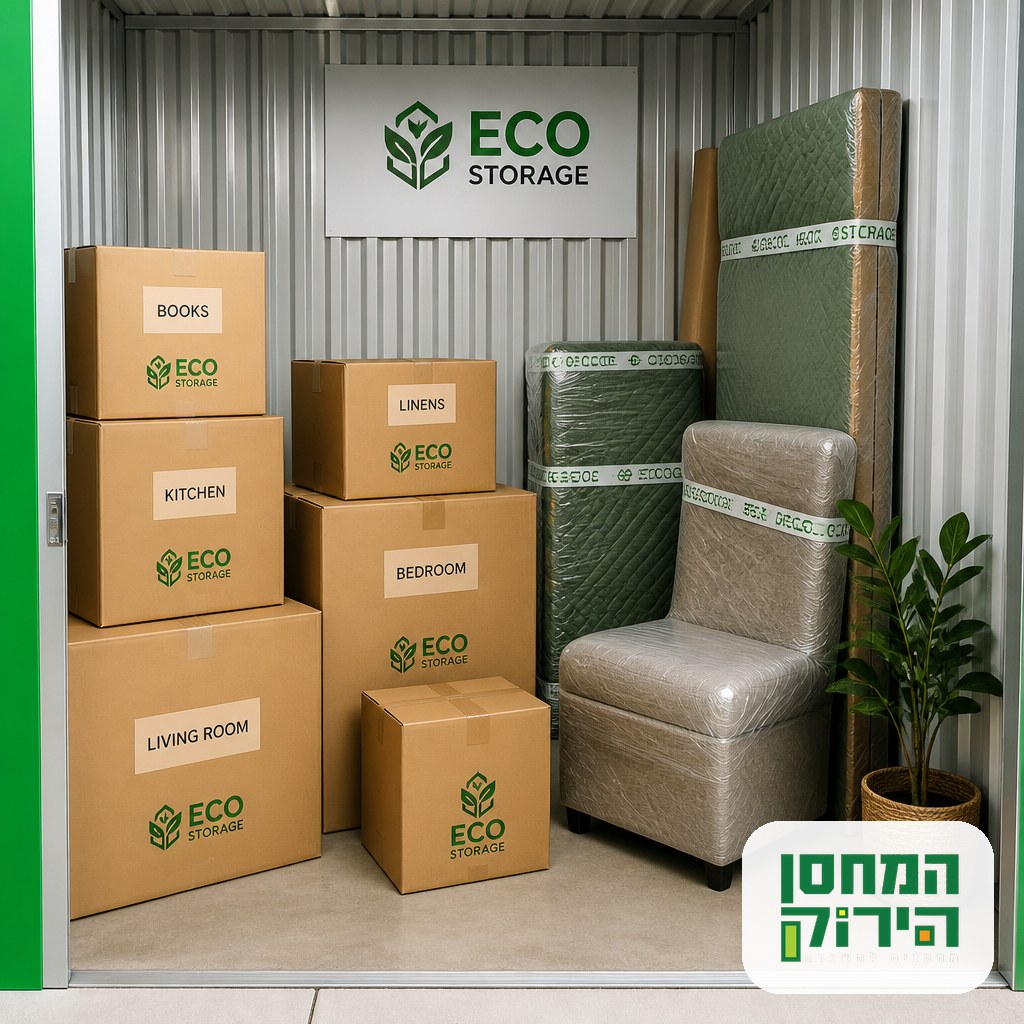
Preparation happens before anything enters the unit, and it is the stage that decides the outcome. A few hours of work here prevents most of the problems that show up when you unpack. Work through the steps in order:
If you are storing the contents of a whole apartment between leases, which is the classic summer scenario in Tel Aviv, it pays to plan the loading order in advance. A service built around apartment storage during a move in Tel Aviv includes help with estimating volume and arranging items so that the things you may need mid summer stay reachable near the door.
Not everything carries the same risk. Sorting your belongings by sensitivity lets you concentrate the effort where it genuinely matters.
Belongings that will stay in the unit well past the summer deserve a different setup from a short seasonal handover. Planning for long term storage of household belongings means choosing sturdier packing materials, leaving wider airflow gaps and scheduling a periodic check rather than simply closing the door until you need the items again.
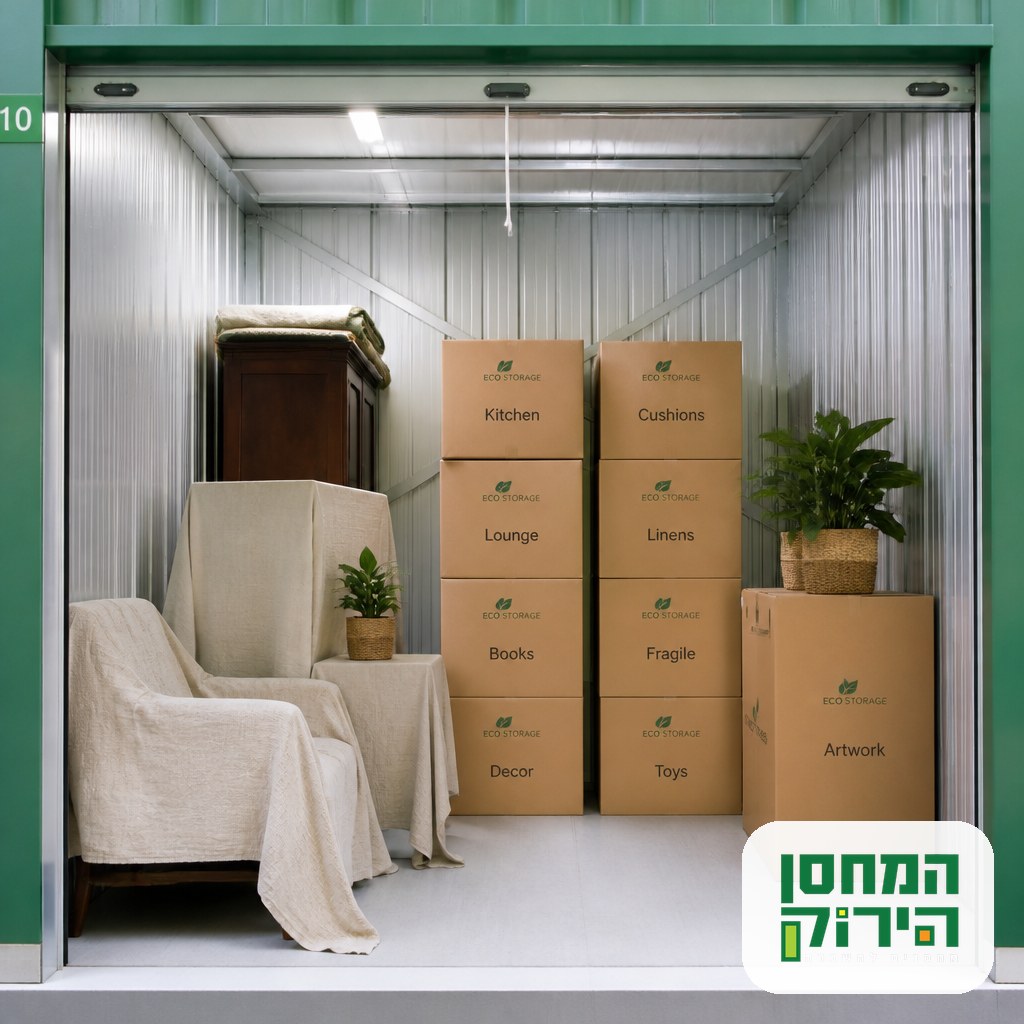
How you arrange the unit matters as much as how you packed. The goals are simple: let air move, keep everything off the floor and make sure the stacks stay stable through months of heat.
Unit size deserves a moment of thought too. Choosing a self storage unit sized to your belongings rather than squeezing everything into the smallest option is what makes airflow, aisles and stable stacking possible in the first place, and it is usually the difference between belongings that emerge intact and belongings that emerge crushed.

Most of the damage discovered at the end of the season traces back to a handful of repeated mistakes, and all of them are easy to avoid.
One more mistake is rarely discussed: booking a unit that is too small in order to save money. Compressing your belongings into insufficient space is precisely what puts pressure on joints, blocks airflow and produces damage that only becomes visible on moving out day.
Storing successfully through an Israeli summer is not a matter of luck. Cleaning and drying everything before packing, using breathable covers instead of sealed plastic, lifting boxes off the floor, leaving airflow gaps and stopping by every few weeks will cover the overwhelming majority of the risk. If you are unsure what size unit fits your belongings or how best to arrange them before the hot months, talk to our storage team for personal guidance and a clear recommendation for your situation.
It can, particularly when humidity shifts sharply between day and night. The risk drops considerably when the piece is clean, completely dry, covered with a breathable cover and kept slightly away from the wall. Disassembling large pieces and storing them flat relieves pressure on the joints and prevents splitting at the edges.
There is no time limit, and a full season passes without incident when the preparation was done properly. What matters is the quality of your packing and the condition of the unit, not the number of months. A short visit every few weeks lets you catch odor or moisture early, before it turns into damage.
Not for everything. Durable items such as garden tools, camping gear and plastic storage bins do not need climate control. Pianos, artwork, records, important documents and expensive electronics, on the other hand, benefit clearly from a more stable environment across the hot months.
Musty odor is almost always trapped moisture combined with organic residue. Drying everything fully before packing, avoiding sealed bags, adding moisture absorbers and leaving ventilation gaps between stacks solves it in most cases. If the smell is already there, air the item out in open shade before returning it to storage.
Stored belongings are covered by comprehensive insurance that includes unusual events such as earthquakes, so you have real peace of mind for the whole storage period. The rate is 1.8 NIS per month for every 1,000 NIS of declared value, and our team is happy to help you estimate the value of your belongings accurately before storage begins.
Summer is the peak arrival and moving season, so book your unit as early as you can and expect the search to take longer than planned. Choose a size with a little room to spare, keep the items you may need during the first weeks in clearly labeled boxes near the door, and confirm the access hours and notice period before you sign so a short extension is straightforward.

How can we help you today?