Renting a unit for many months is a different decision from booking a few weeks of overflow space. A long term storage unit rental needs a clear plan: the right size, a flexible contract, a secure and licensed facility, and items packed to sit untouched for a season or more. Whether you are relocating, flying abroad, or freeing up room for a business, this guide walks through the renting process so you know what to check before you sign.
A long term storage unit rental means keeping a private, locked space for several months or longer rather than a short overflow period. Because the items sit untouched, the priorities shift: you care less about popping in every day and more about security, insurance, and how easy the contract is to extend or end.
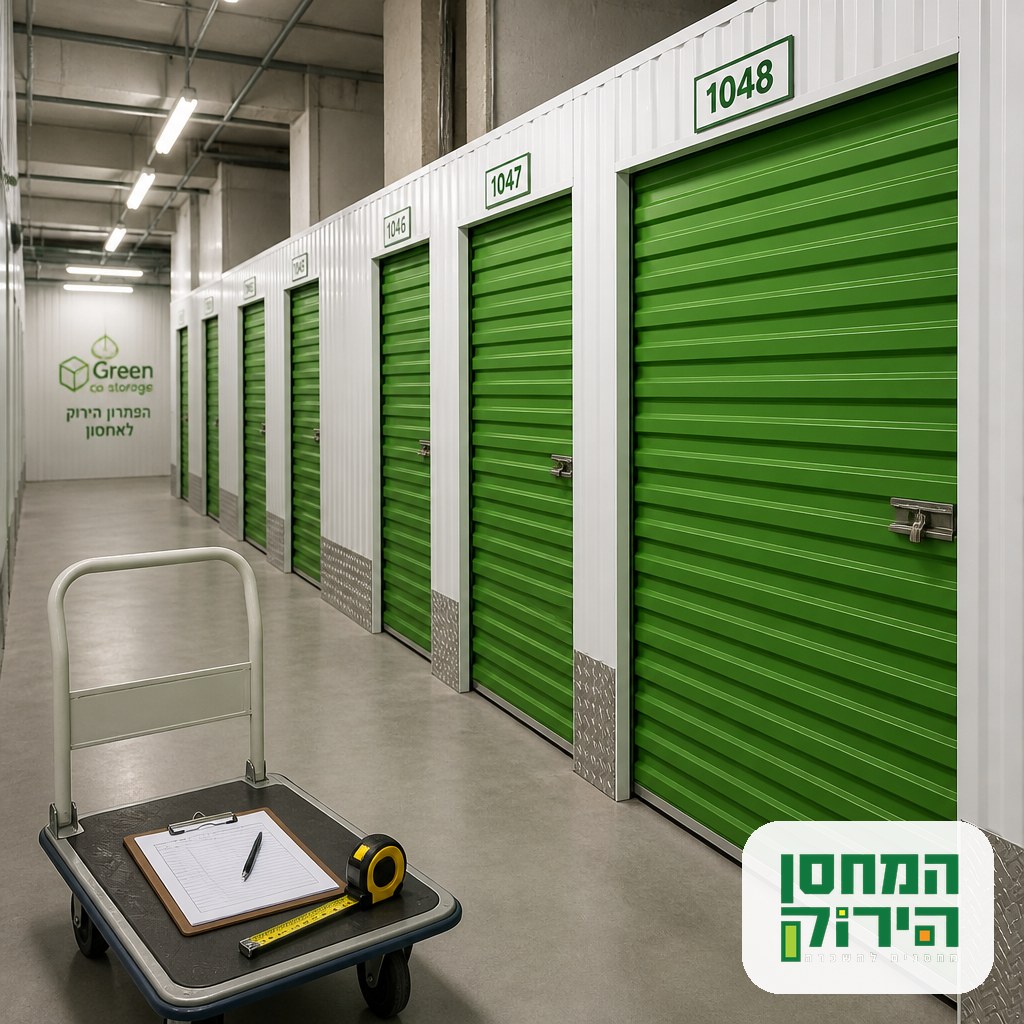
At Green Storage the facility sits in Kiryat Anavim, roughly 15 minutes from Jerusalem and Beit Shemesh and about 30 minutes from Tel Aviv. Each customer gets a private unit with their own lock, the compound is covered by closed-circuit cameras, and comprehensive contents insurance is available as an add-on. That is exactly what a long stay needs.
Long term storage suits a few common situations: relocation to a smaller home, flying abroad for work or study, holding furniture between leases, and storing business stock or archives. In each case you are parking belongings safely for a defined stretch rather than reaching for them daily.

The renting process is simpler than most people expect. Clear steps help you choose the right unit the first time and avoid paying for space you do not need.
Before you call anyone, list the items going into storage. Note the bulky pieces, count the boxes, and flag anything fragile or sensitive to heat and moisture. This inventory becomes the basis for choosing a size.
Size is the step that most affects your monthly cost. Green Storage offers a range of unit sizes, so you can match the space to your inventory rather than overpaying for empty air. A single room fits a small unit while a full apartment needs a larger one. If unsure, describe your list to the team and let them recommend a size.
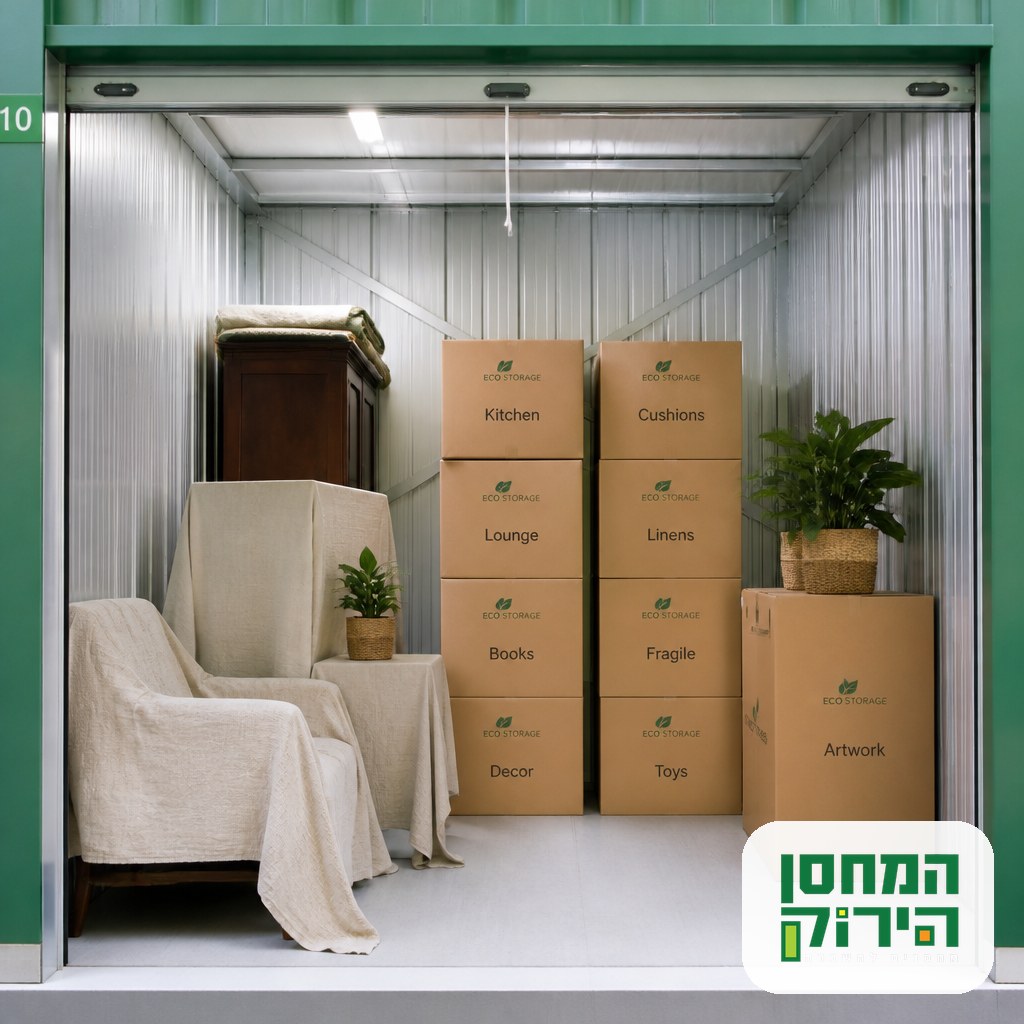
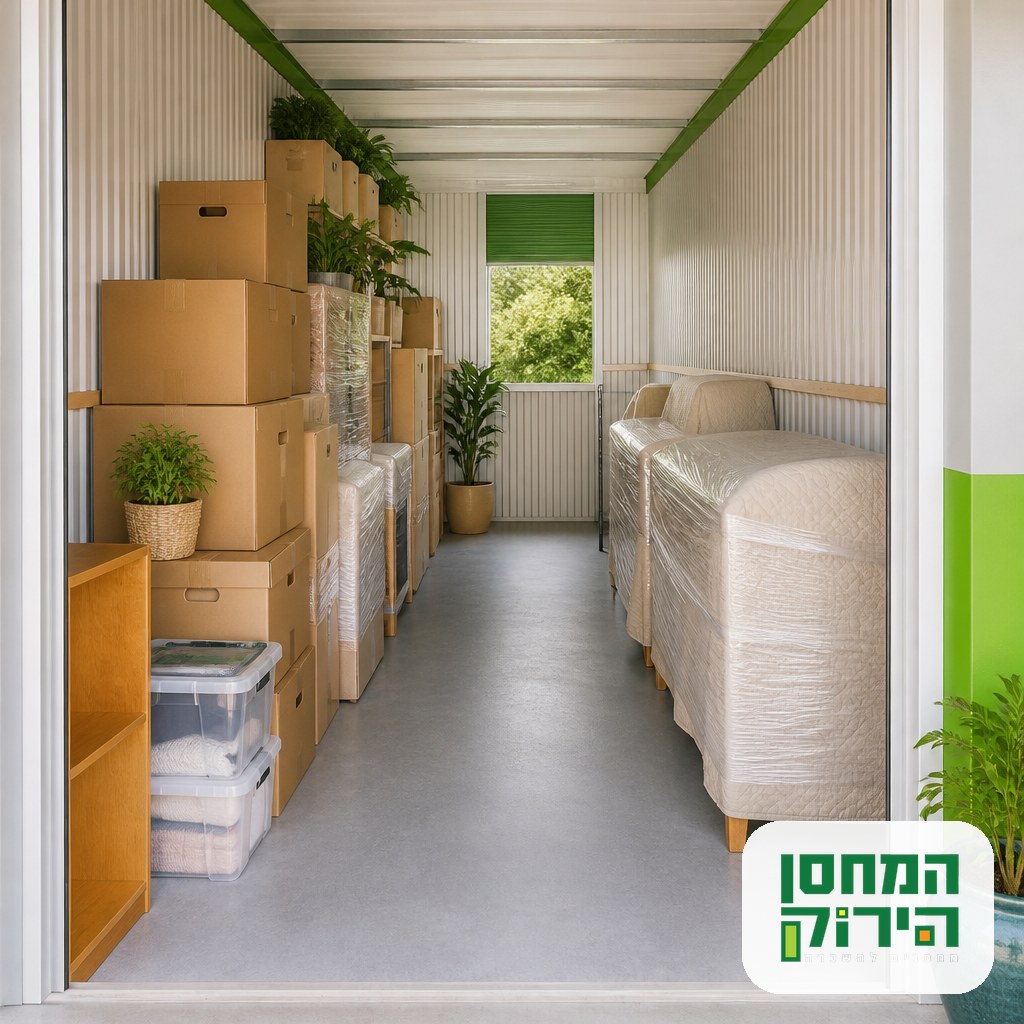
For a long stay, choose a size that lets you stack neatly and leave a narrow walkway. Cramming everything to the ceiling makes it hard to reach an item you need 6 months in, and a small buffer costs far less than a second unit later.
Ask about the compound: is it monitored by cameras, are the units private and individually locked, and is the operator licensed? Then look closely at the rental terms, which we cover below. A clear, flexible contract is a strong sign of a professional operator.
Once the unit is booked, pack properly, label your boxes, and plan the move. With a long term rental this is usually the last time you handle most of your belongings for months.

The contract is where a long term rental either works smoothly or becomes a headache. Because your plans can change, flexibility matters as much as price.
A rolling monthly arrangement lets you keep the unit only as long as you need it, which is ideal when a return date is uncertain. Ask how notice works if you want to leave, whether you can extend easily if your trip runs longer than planned, and whether you can move to a larger or smaller unit if your inventory changes. That ability to adjust is a practical advantage of self storage over a fixed lease.
Confirm two more points in writing: that your stored items are insured, and how access works. Green Storage insures stored items and keeps the compound secured every day of the year, so you know the terms before you commit.
For short overflow storage, being close to the unit is handy. For a long stay, especially when you are abroad, proximity matters far less, because you rarely need regular access. That is why many people searching for a long term unit in Tel Aviv happily choose a secure facility a short drive away. Our overview of long term storage solutions for relocation and travel is a useful companion read.
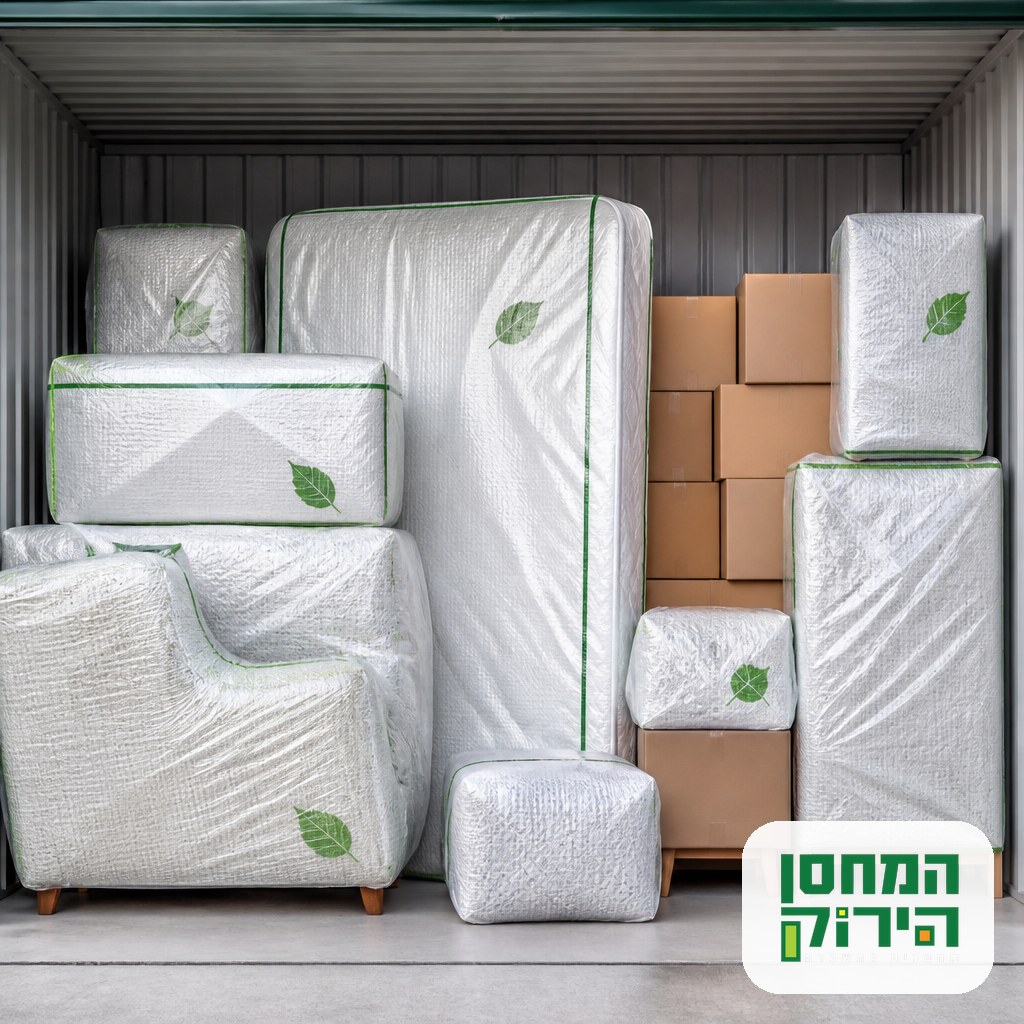
Packing for a long stay is not the same as packing for a quick move. Items sit still for a season or more, so a little extra care now prevents damage you would discover on collection day.
Use sturdy boxes of similar sizes so they stack safely, and do not overfill them. Wrap fragile pieces individually and fill gaps so nothing shifts. Clean and fully dry anything before it goes in, since trapped moisture causes mildew.
Disassemble large furniture where you can and keep screws in labelled bags taped to the piece. Cover sofas and mattresses with breathable protectors rather than sealed plastic, which traps condensation. Defrost and dry appliances completely, and leave doors slightly ajar.
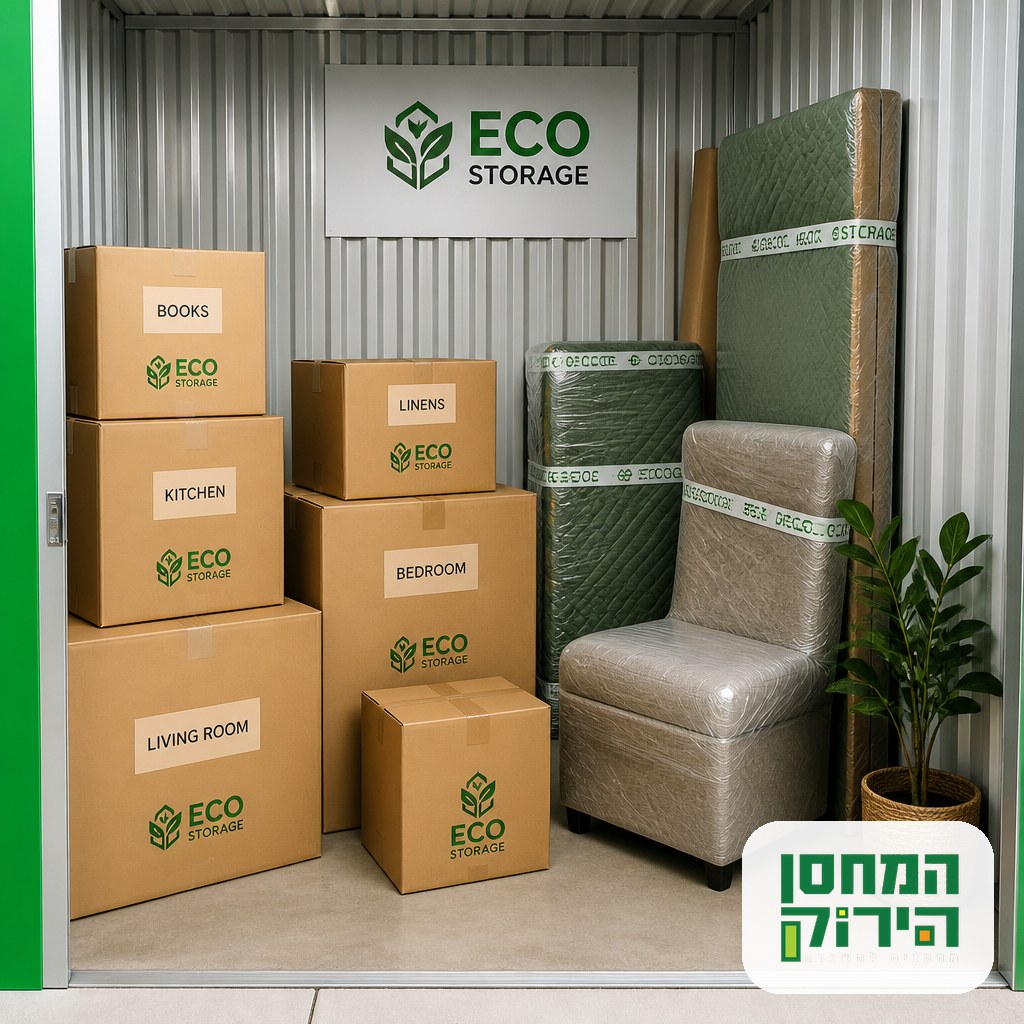
Even in long term storage you may need one box mid stay. Number your boxes, keep an inventory list, and place anything you might want sooner near the front. A narrow aisle down the middle turns a frustrating dig into a quick visit. Our explanation of how renting a self storage unit works covers the day to day details.
A storage unit is the right home for furniture, household goods, seasonal items, and business stock. It is not the place for jewellery, fine art, or other high value valuables, which belong in a home safe or a bank deposit box. To compare layouts before booking, browse the available private self storage units and sizes to match a unit to your inventory.
A successful long term storage unit rental comes down to four things: the right size, a secure and licensed facility, a flexible contract, and packing to survive months untouched. Green Storage covers the first three with private locked units, a camera-monitored compound in Kiryat Anavim within easy reach of Jerusalem, Beit Shemesh, and Tel Aviv, insured storage, and a range of sizes. When you are ready to plan your rental, contact the Green Storage team for a quote and we will help you choose the right unit.
There is no fixed limit. Long term storage suits stays of several months up to a year or more, and a month to month arrangement lets you keep the unit as long as your relocation, trip, or business need lasts.
It depends on your inventory. A single room fits a small unit, while a full apartment needs a larger one. Green Storage offers a range of sizes, so share your list with the team and let them recommend a size that fits with a little room to spare.
Yes, in a properly run facility. Each unit at Green Storage is private and individually locked, the compound is covered by closed-circuit cameras, and contents insurance is available as an add-on, so your belongings stay protected even when you rarely visit.
For a long stay, not really. Because you rarely need day to day access, proximity matters far less than security and service. The Green Storage compound in Kiryat Anavim is about 15 minutes from Jerusalem and Beit Shemesh and roughly 30 minutes from Tel Aviv, close enough for the occasional visit.
Clean and fully dry everything first, disassemble large furniture, and keep fittings in labelled bags. Cover items with breathable protectors rather than sealed plastic, and defrost appliances completely with doors left slightly ajar so no moisture is trapped.
It is worth asking when you book. Over a long period your needs can change, and moving to a larger or smaller unit is a practical advantage of self storage. Speak to the team about availability and they will help you adjust.

How can we help you today?