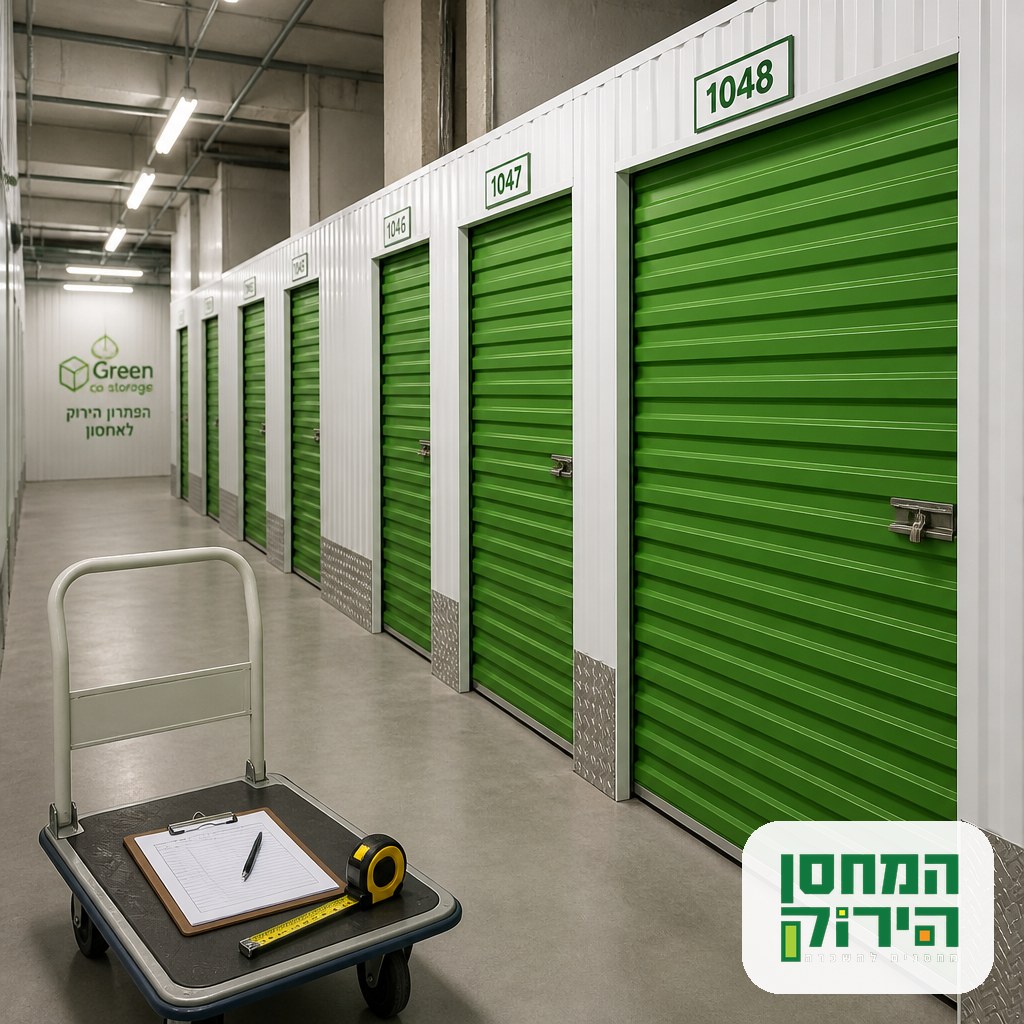
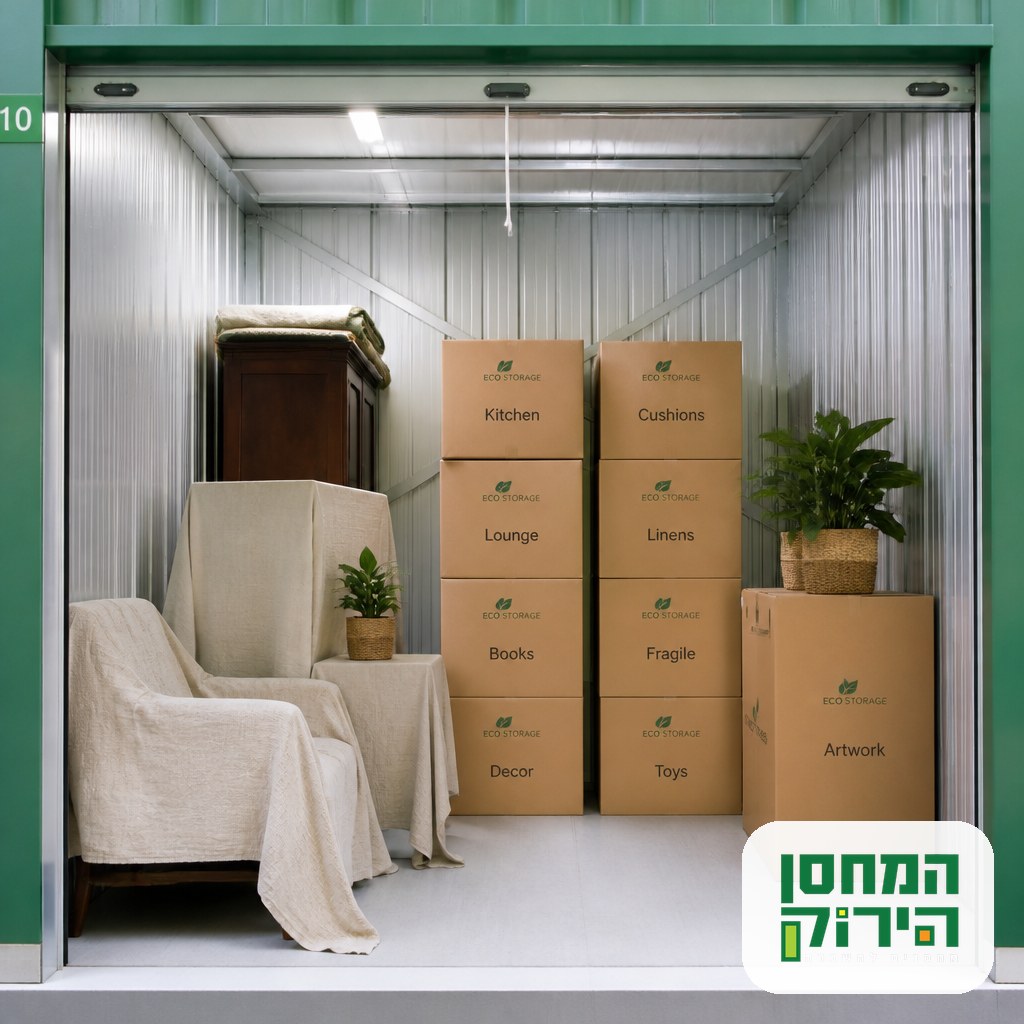
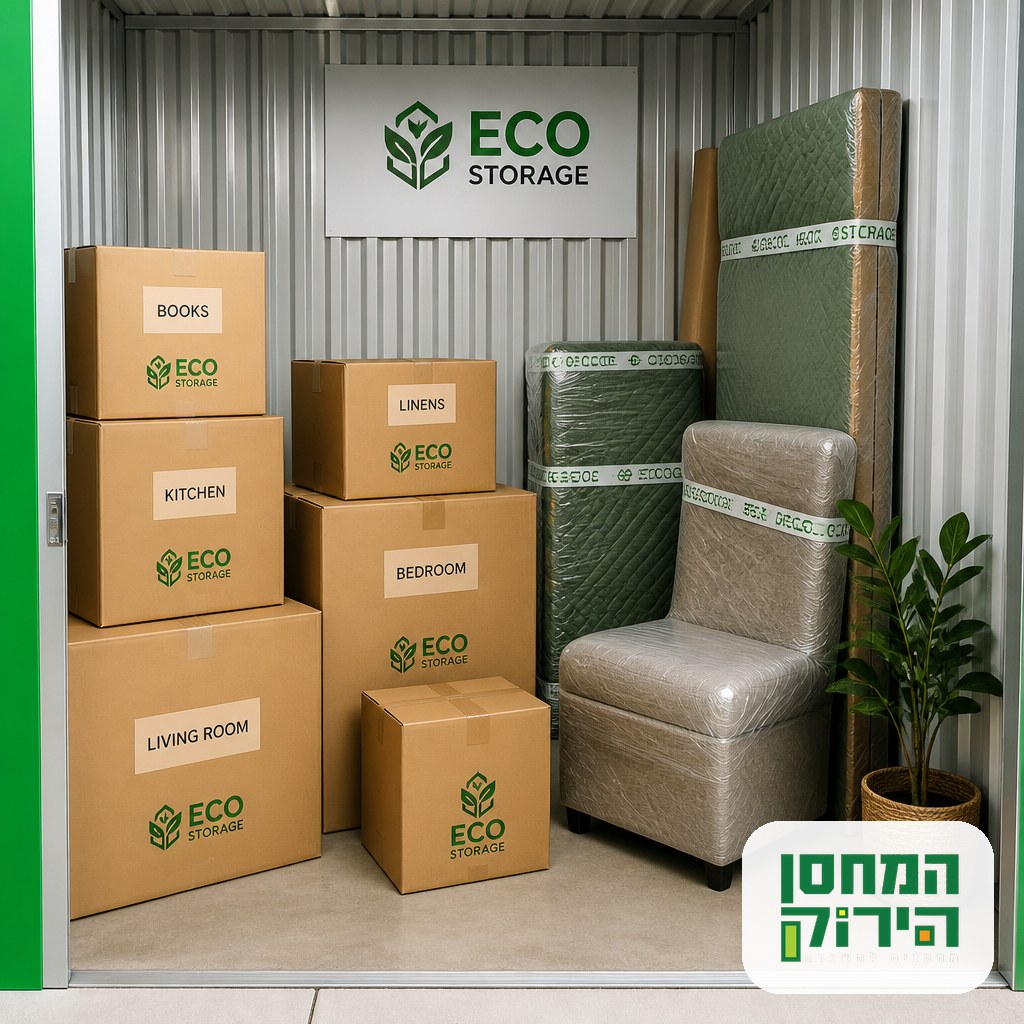
If you run a business and the space at your premises is no longer enough, renting self storage for business use can be a practical and cost-effective answer. Commercial real estate is expensive, and paying for extra floor space just to hold stock, archives or seasonal goods rarely makes financial sense. A dedicated storage unit lets you keep everything secure and organised while you pay only for the room you need. Before you commit, it helps to think through the quantity and type of items you want to store, plus the accessibility, cleanliness and security of the facility. This guide walks through each of those points.
For many companies, the cost of renting a larger office, shop or warehouse far outweighs the value of the extra space. Self storage offers a flexible middle ground. You rent a private locked unit sized to your needs, and you can scale up or down as your stock changes through the year. That flexibility suits growing businesses, online sellers and seasonal operations that do not want a long commercial lease.
Our facility in Kiryat Anavim works well for businesses across central Israel. We are about 15 minutes from Jerusalem and Beit Shemesh and roughly 30 minutes from Tel Aviv, so collecting or dropping off goods does not eat into a full working day. Our commercial storage solutions for businesses are designed for exactly this kind of practical, ongoing use.
A storage unit can take on many roles depending on your trade. These common uses show how it might fit your operation.
Retailers and wholesalers often hold more stock than their shop floor or back room can handle. A storage unit keeps that surplus inventory safe and accessible without cluttering your selling space.
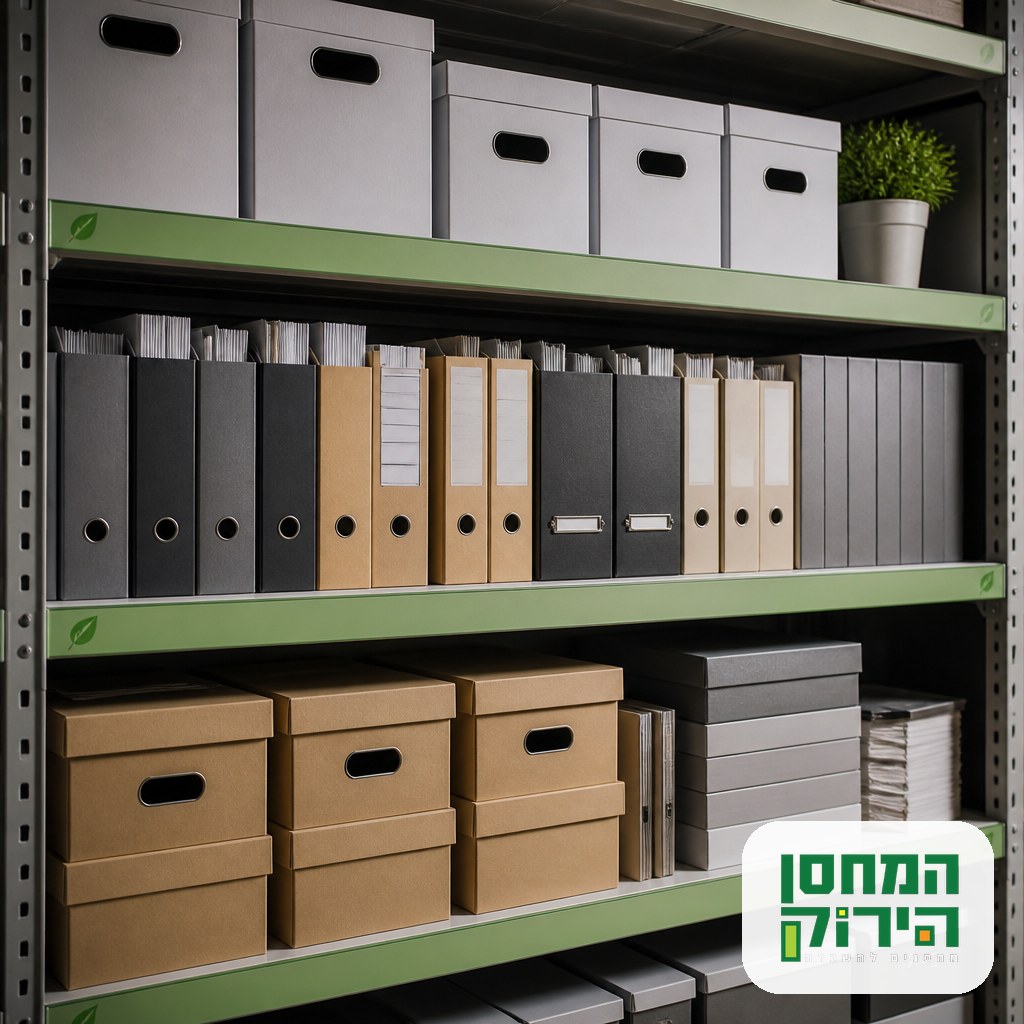
Many businesses must keep paperwork, contracts and financial records for years. Moving these archives off site frees up office space while keeping the files in a secure, dry environment.
Tradespeople, event companies and service providers can store tools, display stands and equipment between jobs, so costly gear is not left in a vehicle overnight.
Online sellers can run a lean operation by storing e-commerce inventory in a unit and picking orders as they come in. Seasonal goods, from holiday products to summer ranges, sit safely off site until their time of year.
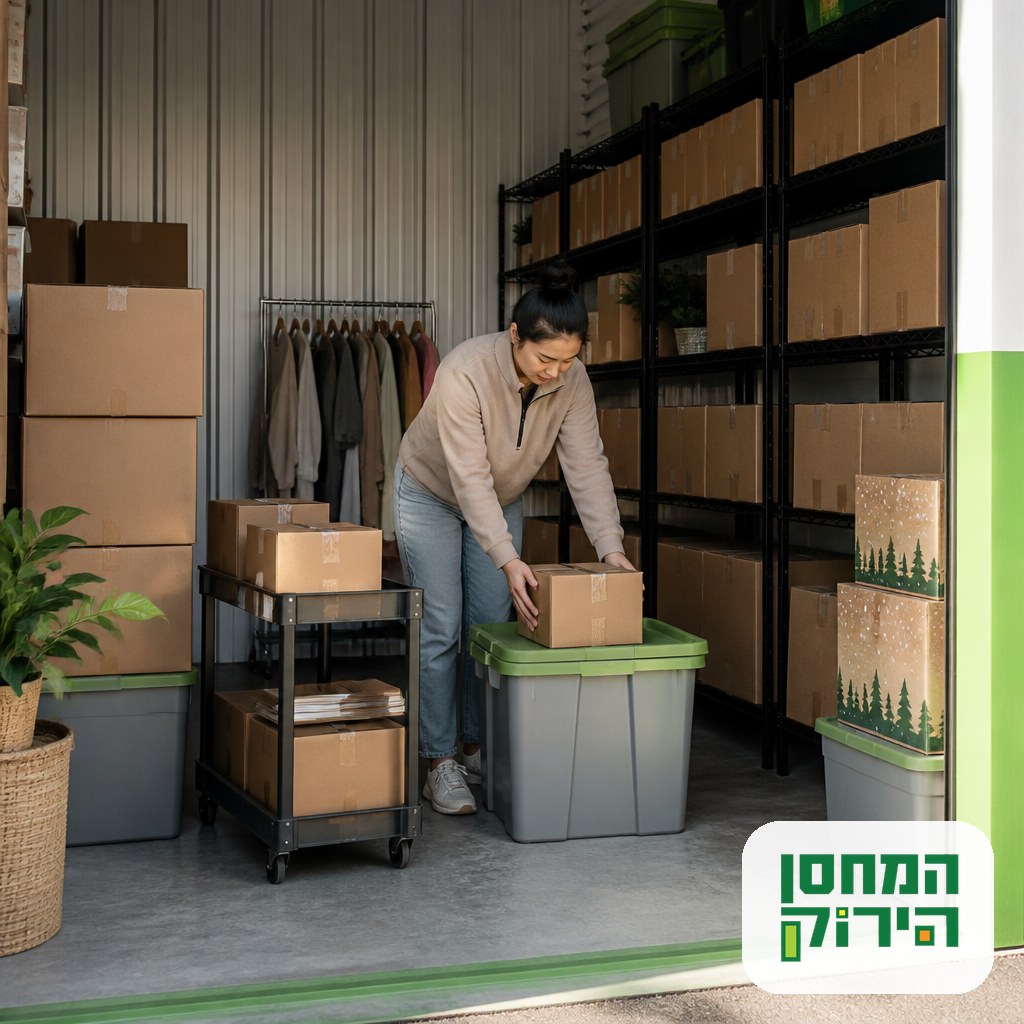
One of the most important steps before you rent self storage for business use is to evaluate how much you need to store and what kind of items they are. Different goods call for different conditions, and the size of the unit directly affects the cost. Planning this out means you do not pay for space you will never fill, or squeeze stock into a unit that is too small.
Start by listing what should leave your premises and what must stay close at hand. Measure your boxes, pallets and larger items so you have a rough volume in mind. We offer a range of unit sizes, so whether you need room for a few archive boxes or for pallets of product, there is an option that fits. If your stock grows, you can move to a larger unit rather than overpaying from the start.
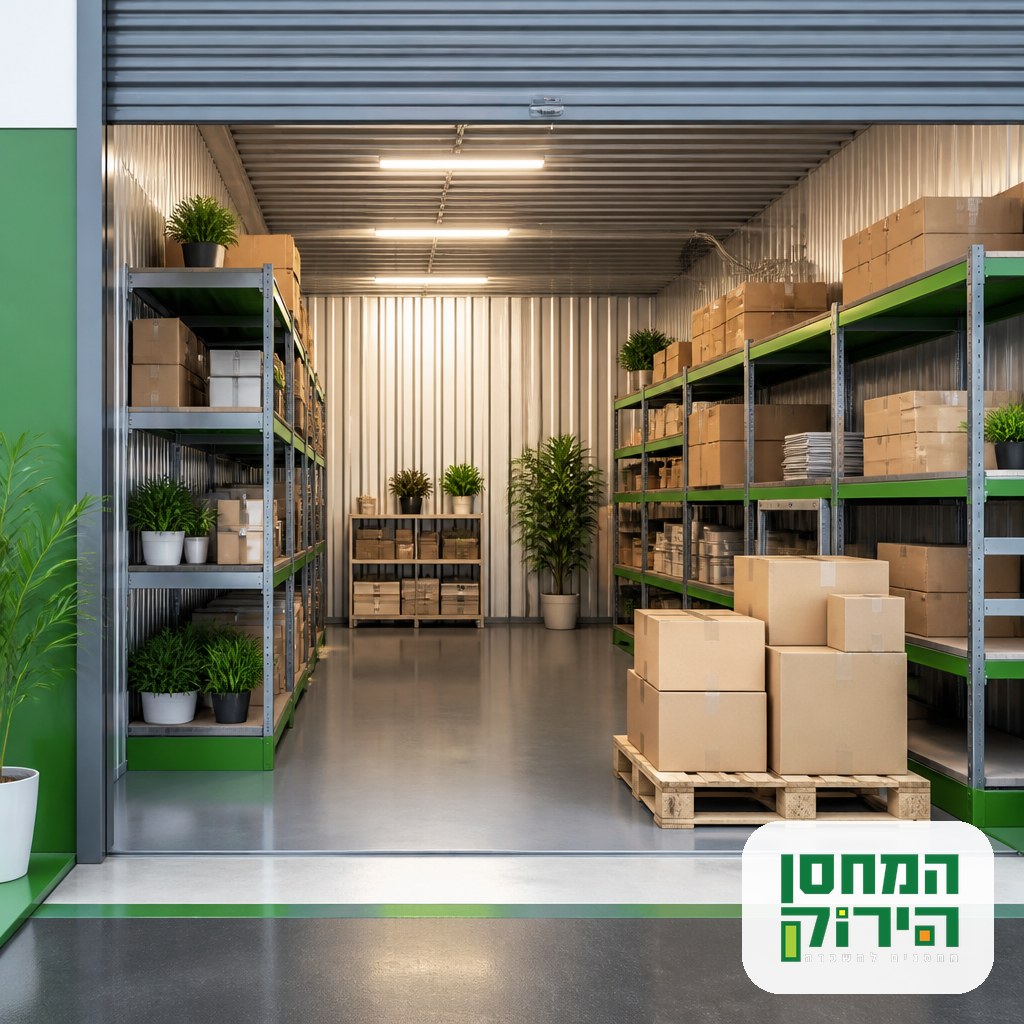
The nature of your items shapes how you pack and arrange them. Heavier goods belong on the floor and lighter boxes on top, and anything you reach for often should sit near the door. Browse the private self storage units to find the layouts and sizes that suit your inventory.
A unit is ideal for stock, archives, equipment and packaged goods. It is not the right place for jewellery, fine art or other high-value valuables, since these are not covered by storage insurance. Keep items of that kind in a home or bank safe instead, and use your unit for the everyday goods that keep the business running.
Beyond size and contents, three practical factors decide whether a storage solution works for your business: how easily you can reach your goods, how clean the environment is, and how secure the site is. Check these before you sign anything.
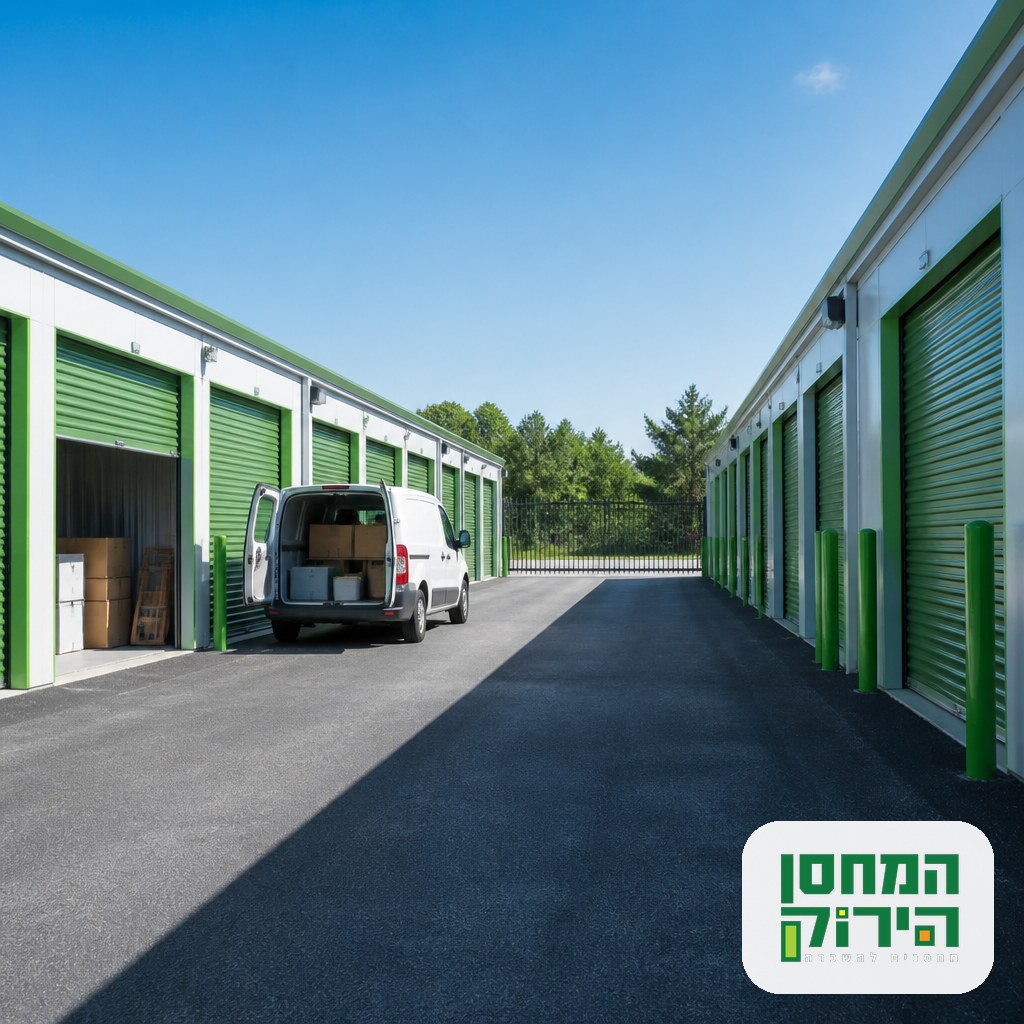
The closer and more accessible your unit, the more time you save, and in business time is money. Think about how often you will visit: a seller picking daily orders has different needs from a company storing archives it touches twice a year. Our facility has room for vehicles to reach the units, which matters when moving bulky stock or heavier equipment in and out.
The condition of the facility affects the condition of your goods. We keep our units clean and sanitary and maintain the site so your stock stays protected from dust, damp and the weather. Clean, dry storage matters most for paper archives, fabrics and packaged products that moisture can spoil. It is worth visiting a facility in person to see how it is maintained before you decide.
Security is non-negotiable when your stock or equipment represents real money. Our site is licensed and covered by closed-circuit cameras, every unit is private and individually locked, and comprehensive contents insurance is available as an add-on. That combination means you can leave your goods knowing they are looked after.
Business storage needs are rarely a one-off. Stock cycles, archive retention rules and steady growth all point towards an ongoing arrangement.
If you expect to store goods for many months or to keep archives indefinitely, a longer arrangement usually offers better value and removes the hassle of repeated moves. Our long term storage options suit businesses that want a dependable base for their inventory and records.
A little organisation goes a long way. Label boxes clearly, keep an inventory list, and leave a walkway to the back of the unit. Group items by type or by how often you use them. Good habits at the start make stocktakes far simpler.
Renting self storage for business use gives you a secure, flexible and affordable way to manage stock, archives, equipment and seasonal goods without paying for costly commercial floor space. By estimating your space, matching the unit to your goods, and checking accessibility and security, you can find a solution that supports your business. With our camera-monitored, well-maintained units in Kiryat Anavim, a short drive from Jerusalem, Beit Shemesh and Tel Aviv, you have a dependable home for everything your business needs to store. To find the right unit for your stock, reach out through our contact our team page and we will help you choose the size and setup that fits.
In most cases yes. Commercial property is priced for premium business use, while a storage unit lets you pay only for the space you need to hold stock, archives or equipment. For surplus inventory and items you do not access daily, a unit is usually far more cost-effective than a larger lease.
You can store surplus stock, business archives and documents, tools and equipment, e-commerce inventory and seasonal goods. We do recommend keeping jewellery, fine art and other high-value valuables in a home or bank safe instead, as these are not covered by storage insurance.
List the items you want to move off site and measure your boxes, pallets and larger goods to estimate the volume. We offer a range of unit sizes, so you can start with one that fits today and move up if your stock grows. Our team is happy to help you judge it.
Our facility is set up so vehicles can reach the units, which makes moving bulky stock or heavier equipment in and out much easier. If you handle large or heavy goods regularly, this access is worth confirming before you rent.
We are based in Kiryat Anavim, about 15 minutes from Jerusalem and Beit Shemesh and roughly 30 minutes from Tel Aviv. The central location makes it convenient to collect and drop off goods without losing a full working day.

How can we help you today?