Apartment storage is the practical answer when life moves faster than your living space can keep up. Whether you are relocating, renovating, heading abroad, or simply freeing up a crowded apartment, a dedicated storage unit gives the contents of your home a safe, organised place to wait until you need them again. This guide explains how apartment storage works, how to choose a unit size, and how to pack it well.
Apartment storage simply means renting a private, lockable unit to hold furniture, appliances, boxes and personal belongings that you cannot keep at home right now. People reach for it at different moments: a family clearing an old flat before the new one is ready, a tenant between leases, or someone going overseas. The goal is the same. You want your things kept dry, secure and accessible, without cluttering a friend’s spare room or risking a damp garage.
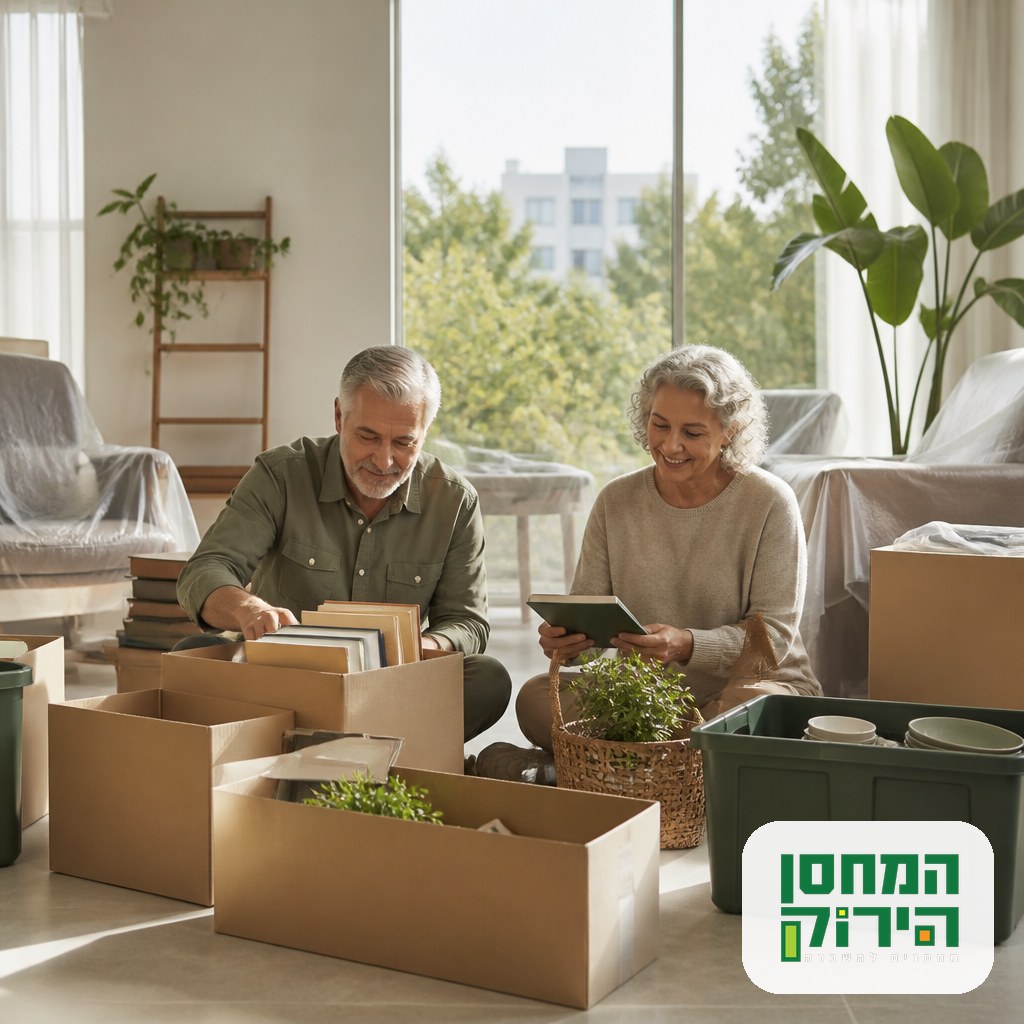
The most frequent trigger is a move, where storage bridges the gap between leaving one apartment and the next being ready. Renovations are a close second, since clearing rooms protects furniture from dust and paint. Relocation abroad is another classic case, and so is simple decluttering, where the aim is to reclaim living space by moving rarely used items out of the apartment.
A short stay of a few weeks usually covers a move or renovation, while a longer arrangement suits people who relocate abroad, downsize to a smaller apartment, or keep belongings that are not in daily use. If you expect to keep items for many months, it is worth reading our guidance on long-term storage planning before you pack, since how you protect and label items changes when they sit for a while.

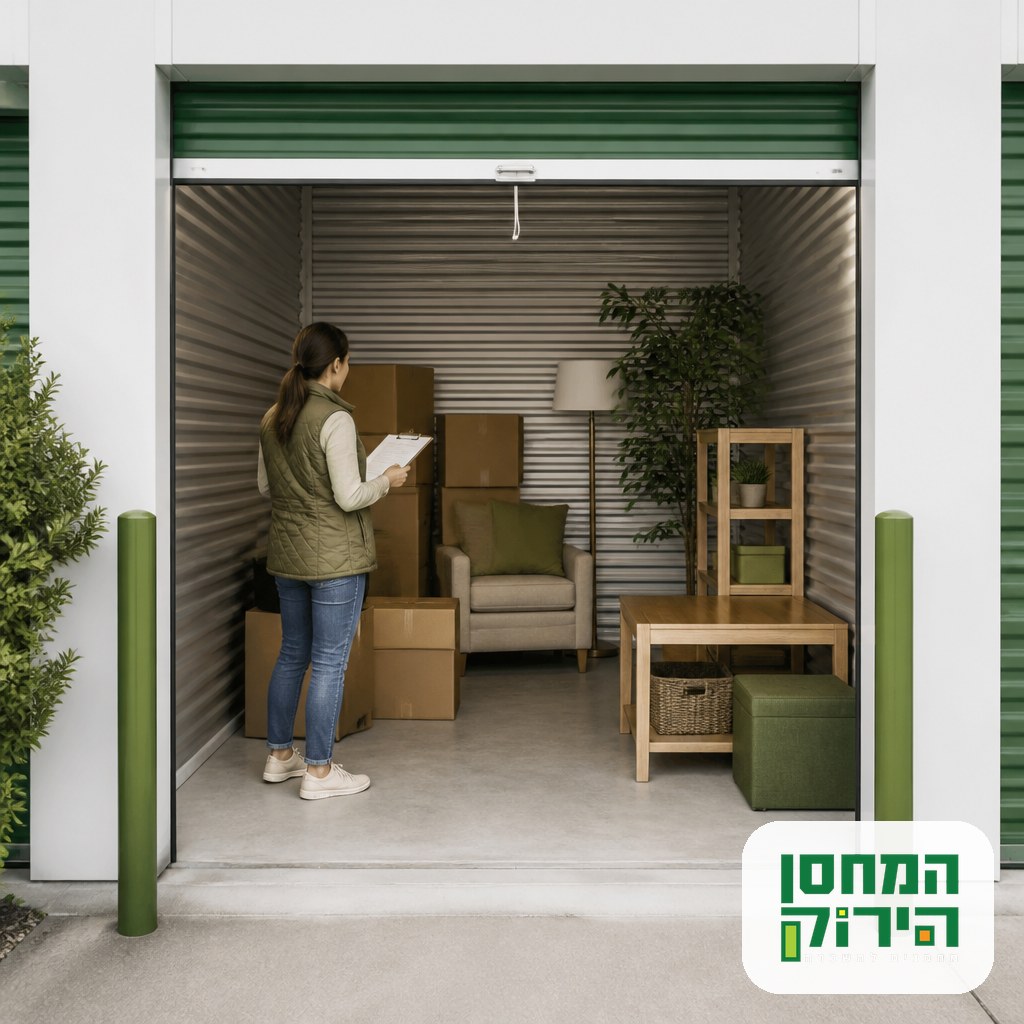
Picking a size is more straightforward than it looks. Estimate volume by the rooms you are clearing rather than floor area alone, because furniture stacks and boxes fill vertical space. A small unit holds a single room or studio, a medium unit suits a one or two bedroom apartment, and a larger unit absorbs the full contents of a family apartment including appliances and bulky furniture.
Walk through your apartment room by room and group items into furniture, boxes and oversized pieces such as a sofa, fridge or wardrobe. As a rough rule, a one bedroom apartment fits into roughly 6 to 8 cubic metres once packed, while a three or four room apartment needs more. When unsure, it is better to overestimate than to find your unit full on moving day.
Size up if you plan to add items over time, want walking space inside, or are storing during a renovation that may grow. A smaller unit is plenty for a single room, seasonal belongings, or a tightly packed set of boxes, since uniform boxes stacked neatly hold far more than people expect.
Because needs vary, we offer a range of private self-storage units in different sizes, and our team can match a size to the apartment you are clearing so you neither overpay nor run short of space.
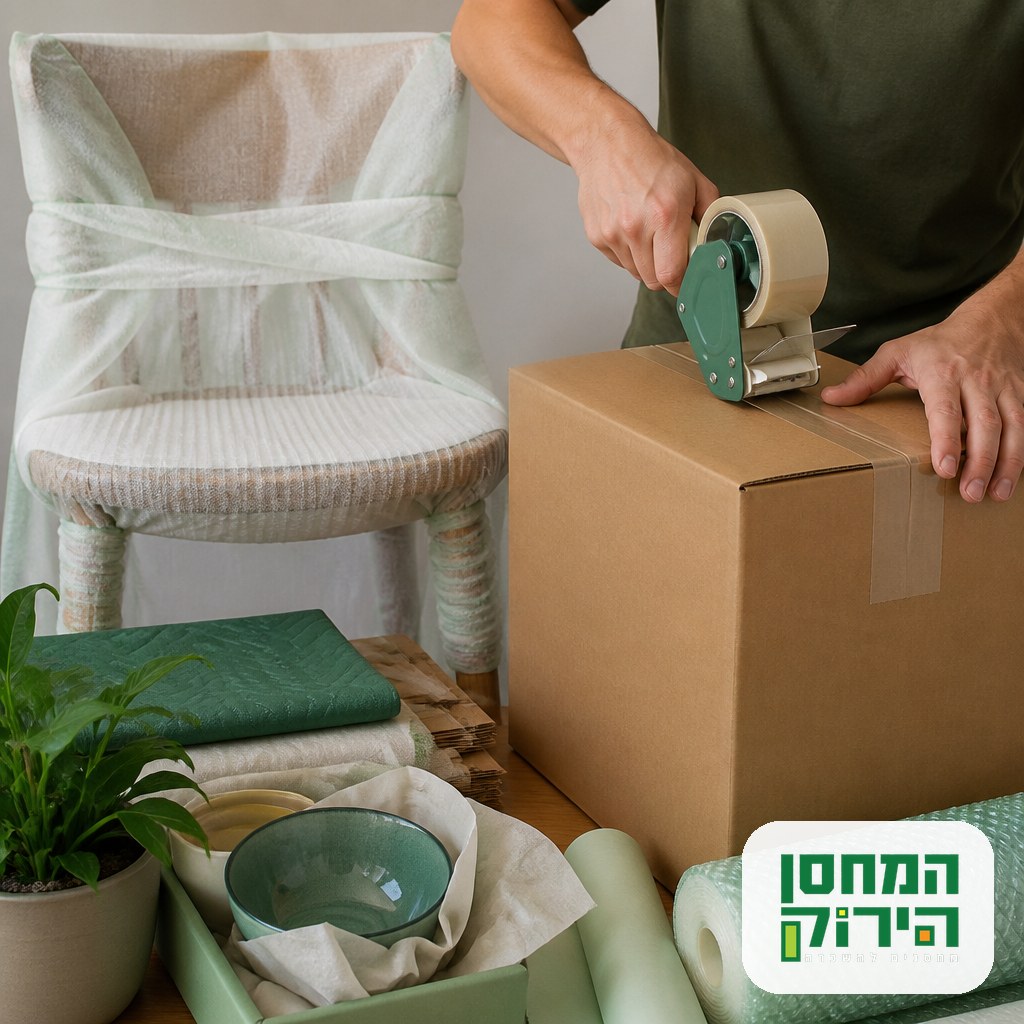
Good packing separates belongings that come back perfect from belongings that come back scratched or musty. A little discipline saves frustration later: use sturdy boxes of similar sizes so they stack securely, wrap furniture and fragile pieces, and keep a clear inventory of what went where.
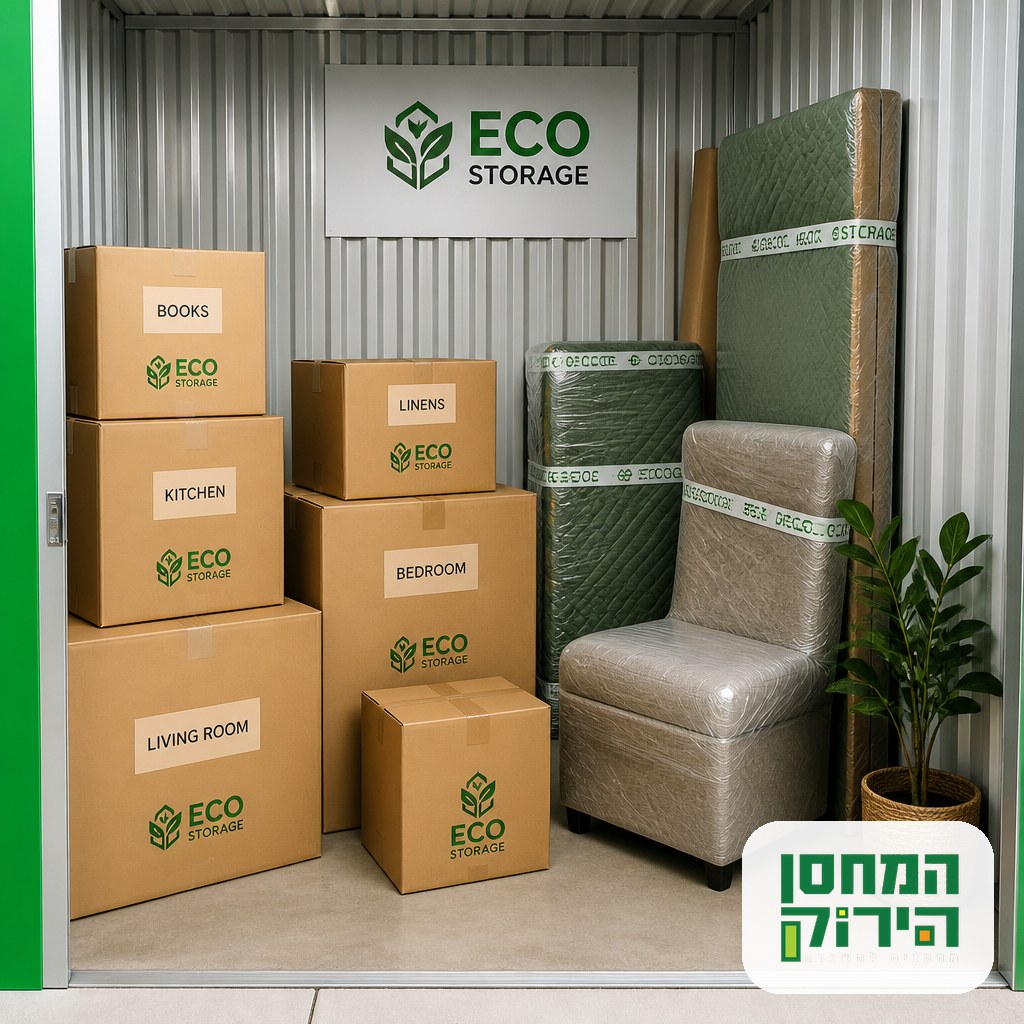
Disassemble what you can, such as bed frames and table legs, and keep screws in a labelled bag taped to the piece. Wrap wooden and upholstered furniture in protective covers against dust and scuffs. Clean and dry appliances such as fridges and washing machines first, leaving fridge doors slightly ajar so no odours build up.
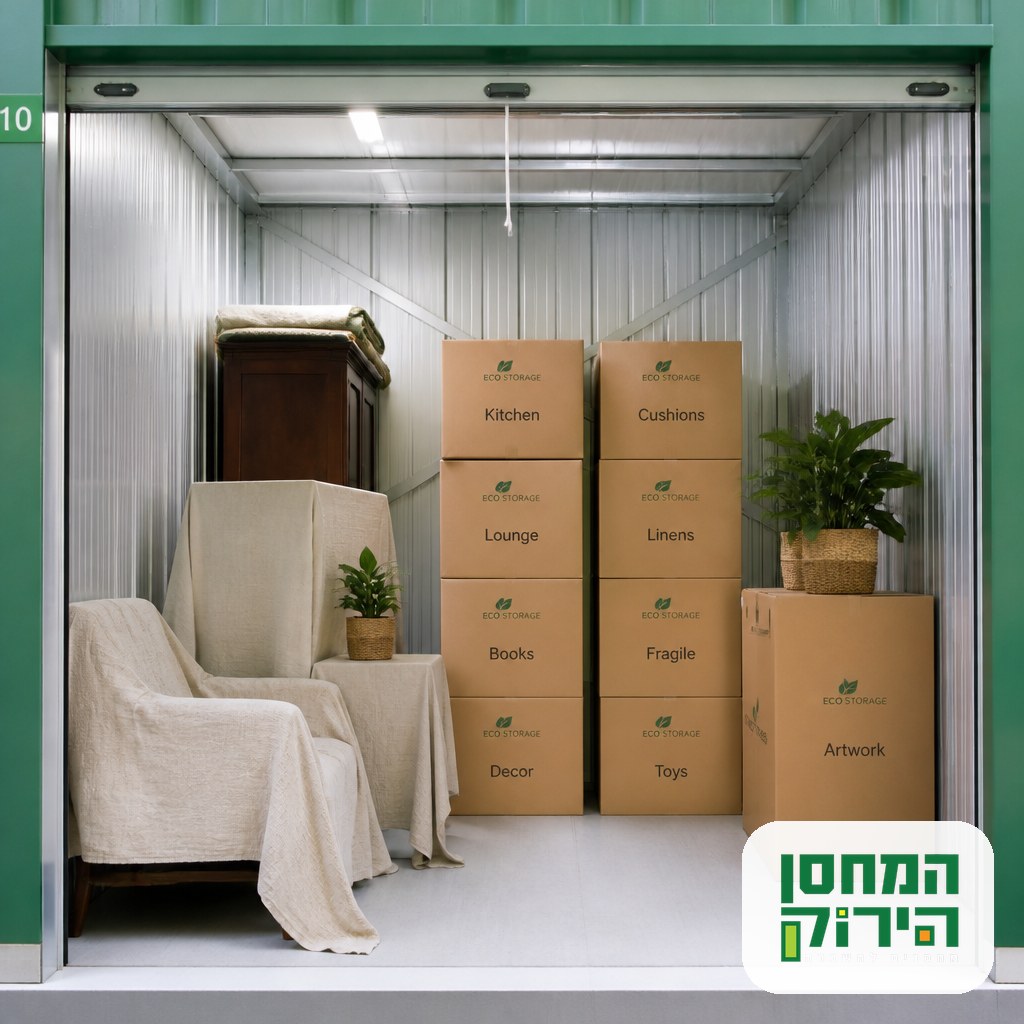
Pack heavier items into smaller boxes and lighter items into larger ones so nothing becomes too heavy to lift safely. Label every box on more than one side with the room and a note of its contents. A simple written or phone inventory turns a wall of identical boxes into something searchable in seconds.
A storage unit is ideal for furniture, appliances, clothing, books, kitchenware and household goods. It is not the place for jewellery, fine art or other high-value valuables, which are best kept in a home safe or bank deposit box since they are not covered by unit insurance. Avoid perishable food or anything flammable.
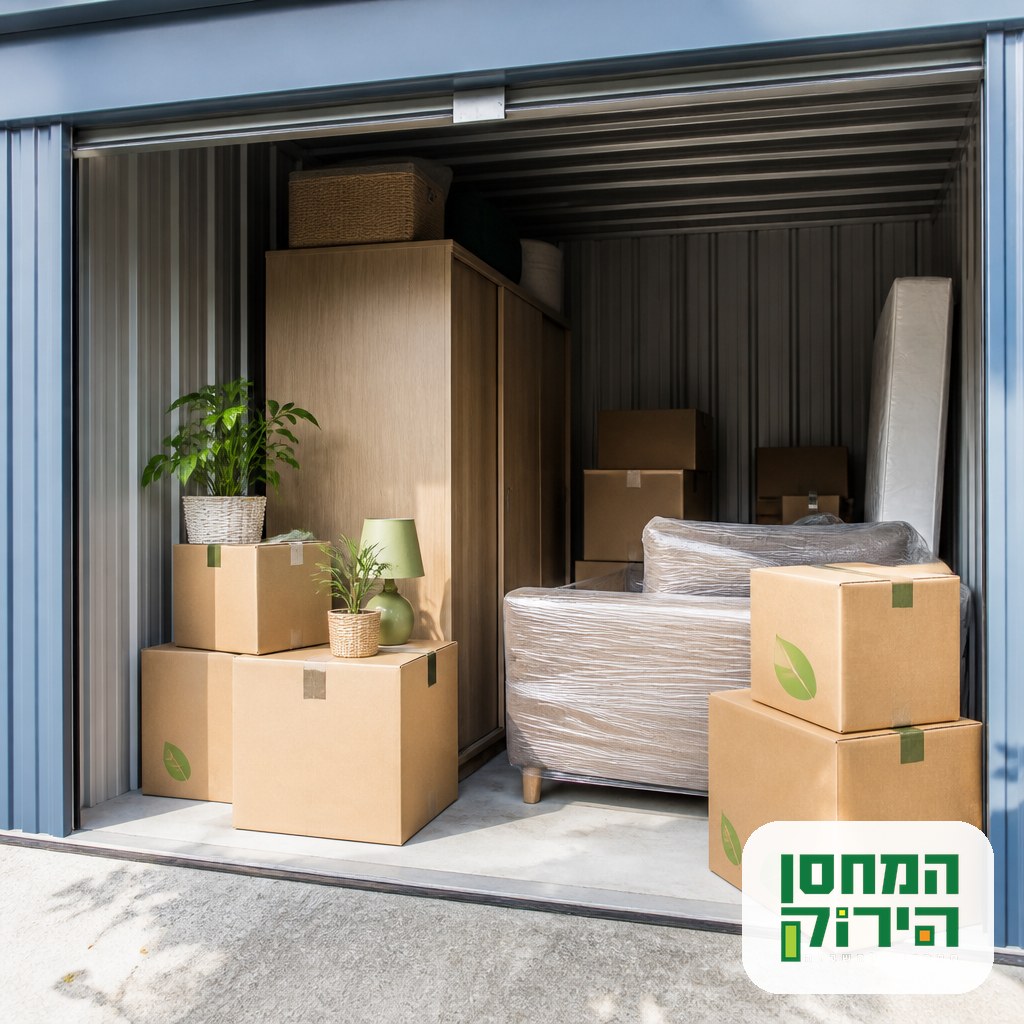
Place large, heavy furniture against the back and build upward and forward. Keep a narrow aisle so you can reach the back without unloading everything, and put items you may need sooner near the front. Stand mattresses and sofas on their edges to save space, and never rest heavy boxes on delicate surfaces.
Storing the contents of a home is about trust. You are handing over belongings that carry real financial and sentimental value, so the conditions of the facility matter as much as the price. A good setup protects your items from theft, weather and pests.
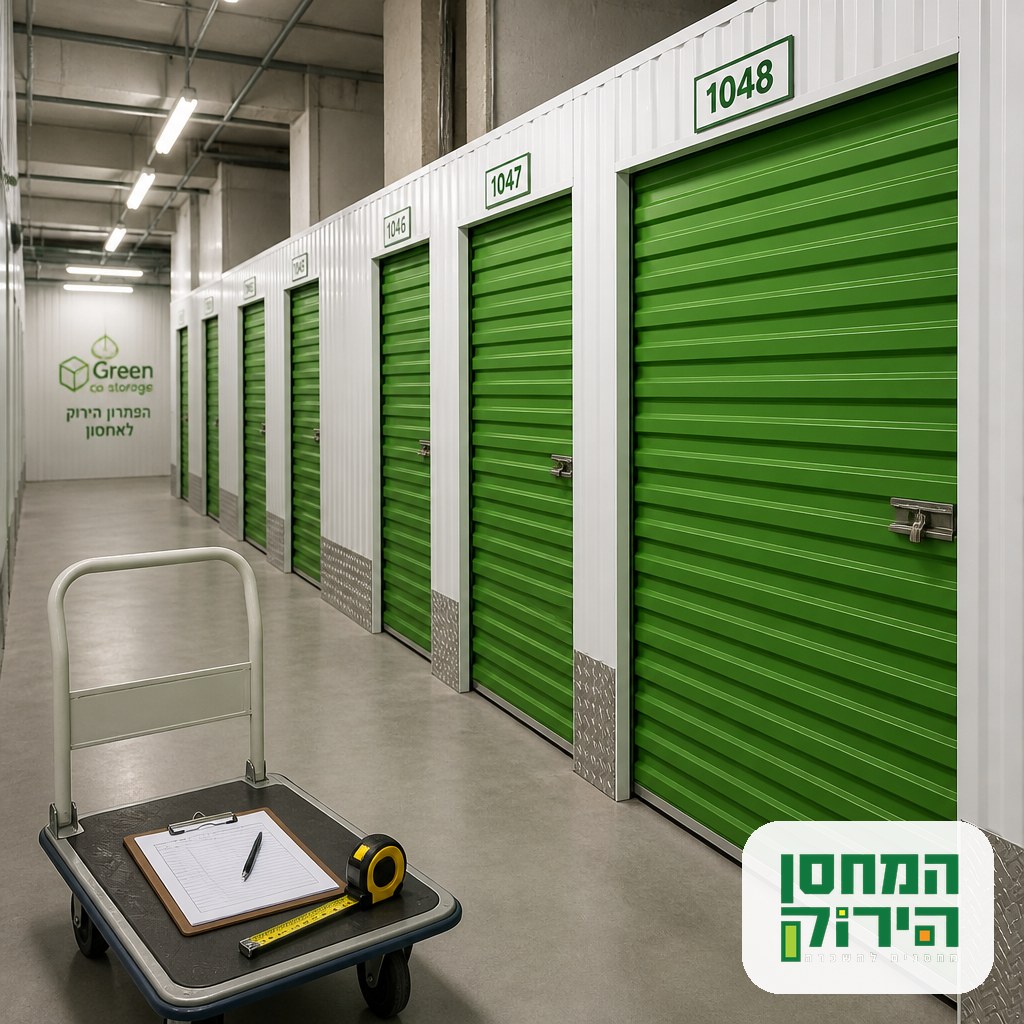
Our storage units sit in Kiryat Anavim, a quiet village about 15 minutes from Jerusalem or Beit Shemesh and no more than 30 minutes from Tel Aviv. Each customer receives a private unit with a unique lock, so you, and only you, have access unless you authorise otherwise. The site is a closed building covered by closed-circuit cameras, with access during opening hours.
The units are built with sealed, insulated methods using green materials, so your belongings are shielded from moisture, damp and heat. Regular pest control keeps vermin away, and your stored items are insured against damage. An estimated 80 percent of storage units in Israel operate without a licence and therefore without insurance, so a licensed, insured facility is a meaningful difference.
Plans change, especially during a move, so you can extend your storage period whenever you need to. Our team treats every client personally, helping you weigh the right unit, term and most cost effective way to store. To compare options, you can explore self-storage rental options and pick what fits your timeline and budget.
Apartment storage gives the contents of your home a secure, organised place to wait through a move, renovation, trip abroad or downsizing. Choose a unit sized to the rooms you are clearing, pack with sturdy boxes and a clear inventory, keep high-value valuables at home, and lean on a licensed, camera-monitored facility with insurance options for peace of mind. When you are ready to plan your storage, contact our team for a free assessment of the right unit and term for your apartment.
It depends on the apartment and how much you are clearing. As a rough guide, a one bedroom apartment fits into roughly 6 to 8 cubic metres once packed, while a three or four room apartment needs more. Walking through room by room gives the most reliable estimate, and our team can help.
Both. Many people store for a few weeks during a move or renovation, while others keep belongings for many months when relocating abroad or downsizing. You can extend your storage period whenever your plans change.
Yes. Each unit is private and individually locked, the facility is a closed building covered by closed-circuit cameras, and comprehensive contents insurance is available as an add-on. The units use sealed, insulated construction with regular pest control to protect against damp and vermin.
No. High-value items such as jewellery and fine art are best kept in a home safe or bank deposit box rather than a storage unit, since they are not covered by unit insurance. Furniture, appliances, clothing, books and ordinary household goods are all well suited to storage.
Use uniform sturdy boxes, label each one on several sides with the room and contents, and keep a simple written or phone inventory. Load heavy furniture at the back, leave a narrow aisle, and place items you may need sooner near the front so you can reach anything without unloading everything.

How can we help you today?