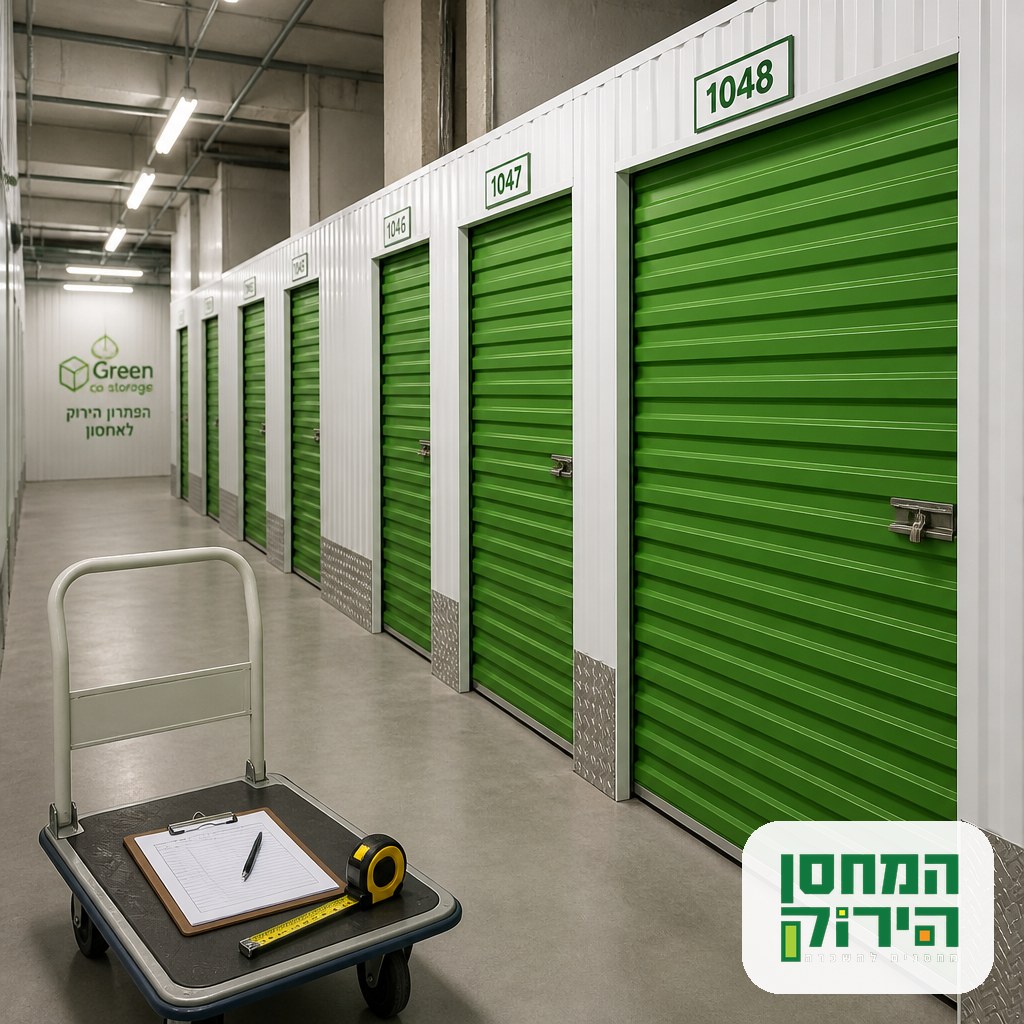
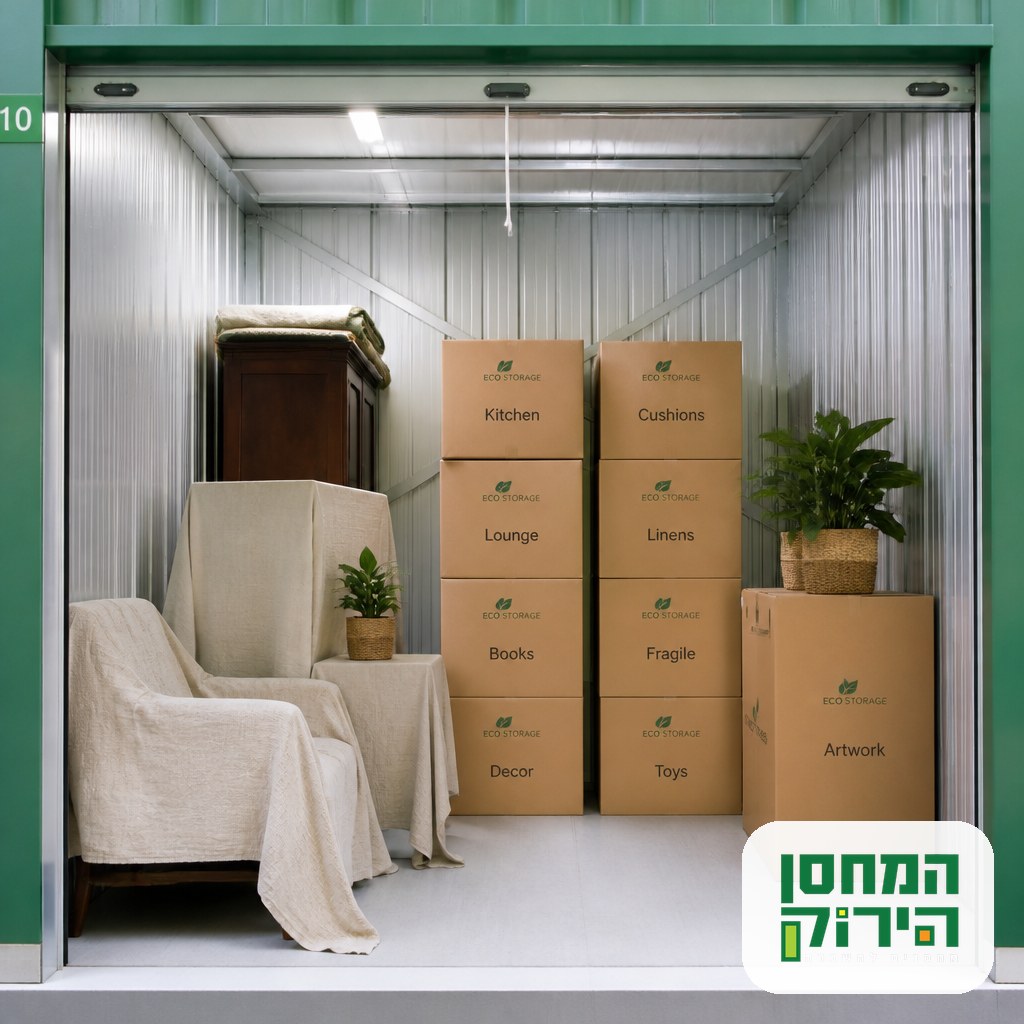
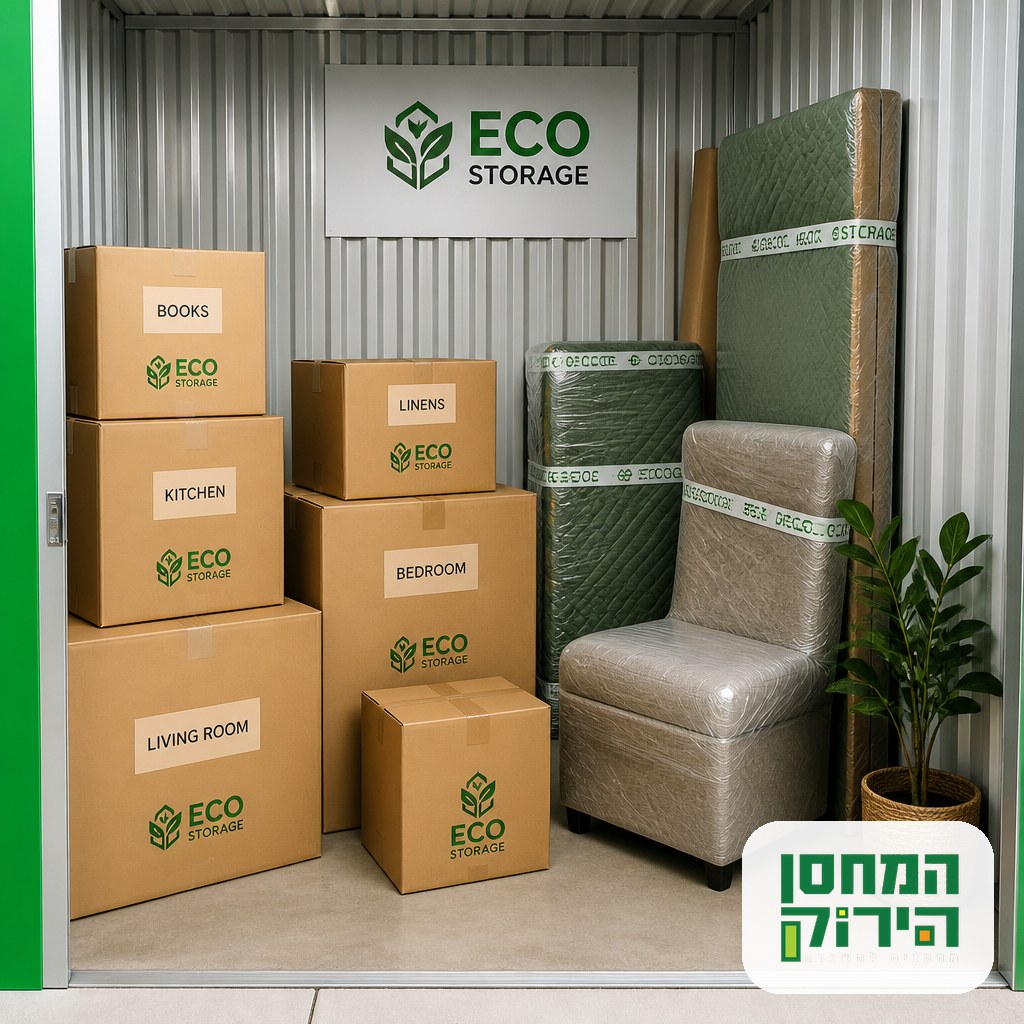
Apartment storage is one of those services you rarely think about until you suddenly need it. Maybe you are moving into a smaller place, renovating, relocating abroad, or simply running out of room. This guide gathers practical apartment storage tips, so you will know when storing makes sense, how long to plan for, what drives the cost, and how to pack and choose a unit that fits.
The decision gets much easier once you break it into three questions: how much you are storing, for how long, and how often you will need access.
A few scenarios come up again and again. Recognising yours helps you plan the right size and duration.
Before you commit, walk through your home and make two lists: items you use within a month, and items you do not. Almost everything on the second list is a candidate for storage. This prevents the most common mistake, renting a unit that is too large or too small.

One of the most useful apartment storage tips is to be honest about how long you will need the space, because timeframe shapes your packing and your budget.
Short term storage is the convenient answer when you are between apartments, renovating, or staging your home for sale. You typically need the unit for a few weeks to a few months and may visit often to pull out items, so easy access and flexible terms matter most. A nearby, secure facility lets you drop off and collect without turning every visit into a project.
Long term storage suits relocations, extended travel, or holding inherited contents while you decide what to keep, with priorities shifting toward security and value over time. Because you visit less often, pack carefully, label everything, and place the items you are least likely to need at the back. For many months of storage, it is worth exploring a dedicated long term storage solution built for the purpose.
Rent for the time you genuinely expect to need, with a little flexibility built in. Storing for the exact period you require, rather than rounding up out of caution, is one of the simplest ways to keep the cost down.
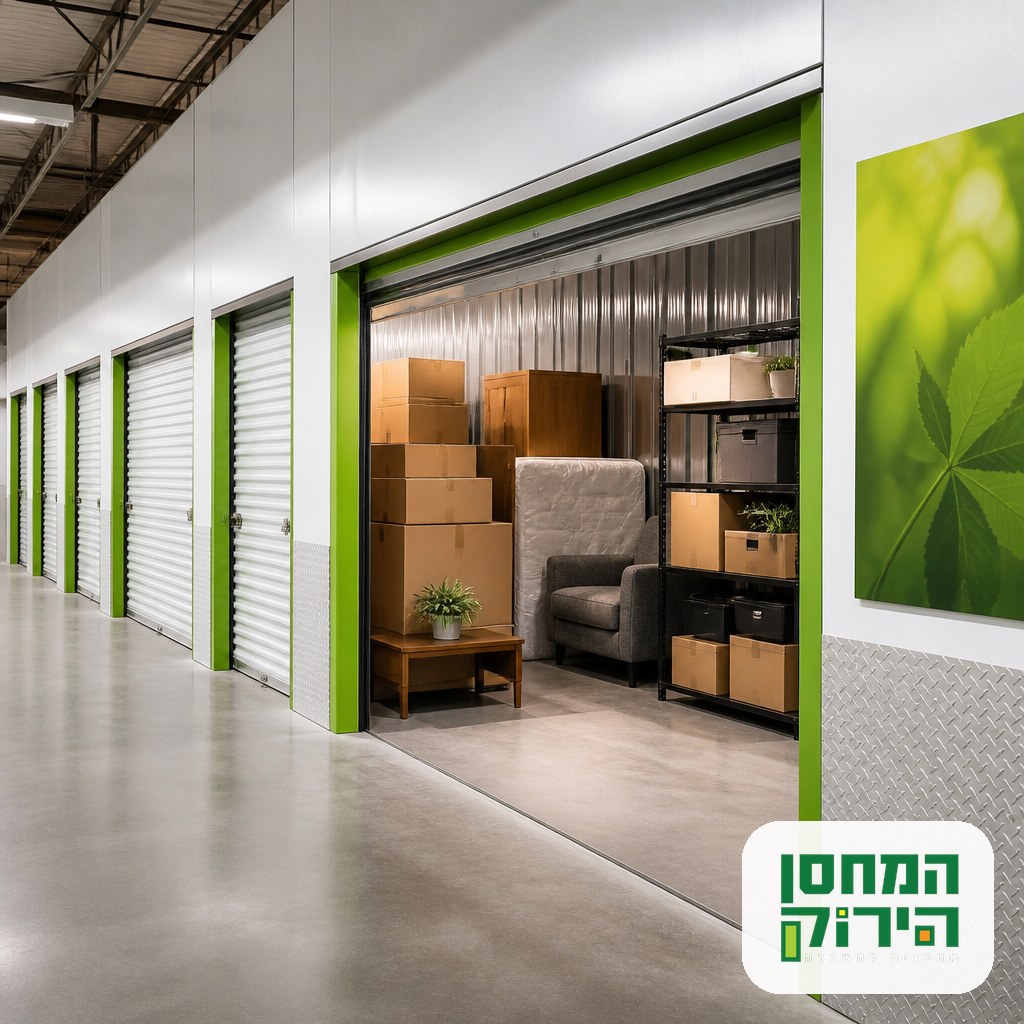
Cost is usually the first question, and the honest answer is that it depends on a few clear factors. Rather than quote a single number, it helps to understand what moves the price so you can plan a budget.
Getting the size right is where most people overspend or run short. As a rough guide, a single room of contents fits a small unit, while a full apartment can need a larger one. List your major items and ask the provider to recommend a size. Describing your inventory in person or over the phone gives a far more accurate quote than guessing. You can compare the available self storage unit sizes to picture what each one holds.
The cheapest option is not always the best value. A slightly higher rate at a licensed facility with cameras and insurance options can save you far more than a bargain unit with poor conditions. It is worth visiting before you decide, to see how clean, secure, and well run the place really is.

Good packing protects your items and lets you use every cubic metre you pay for. These tips make the difference between a unit that works and one that becomes a jumble.
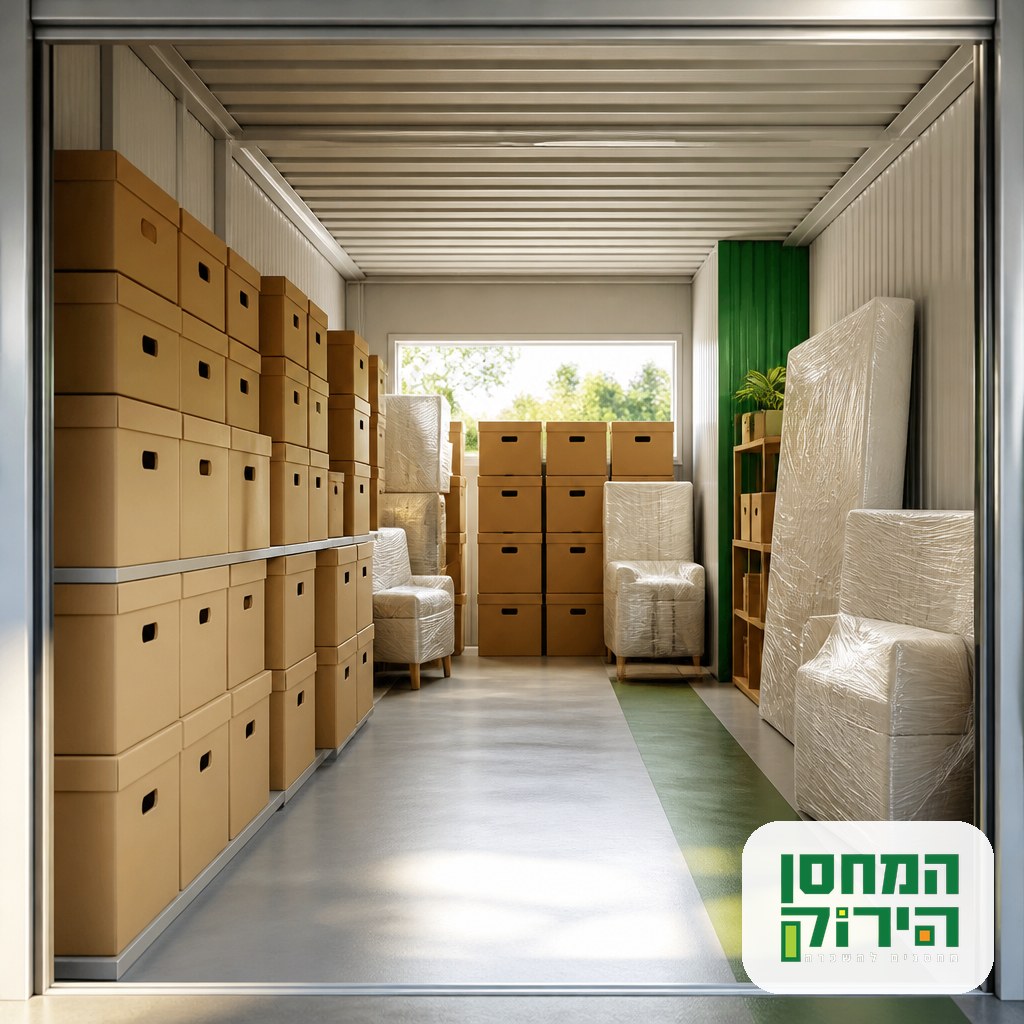
Place heavy items on the floor and lighter ones on top. Leave a narrow walkway down the middle so you can reach the back without unloading everything. Stand sofas and mattresses upright, and put anything you might need sooner near the door.
A storage unit is ideal for furniture, appliances, boxes, and household goods. It is not the place for jewellery, fine art, or other high value valuables, which belong in a home safe or a bank safe deposit box. Avoid perishable food too, or anything that could attract pests.
Not all facilities are equal, and a few checks tell you whether a provider is worth your trust. Our Kiryat Anavim facility sits about 15 minutes from Jerusalem and Beit Shemesh and around 30 minutes from Tel Aviv, convenient for much of the centre.
Ask how access works, what the security setup looks like, what insurance options exist, and how easy it is to change unit size later. Clear, confident answers are a good sign. You can also explore flexible storage units available for rent and see the terms.
Apartment storage becomes simple once you answer three questions: how much you are storing, for how long, and how often you need access. Match the unit size and timeframe to your real needs, pack with care, and choose a licensed facility with cameras, insurance options and private locked units. When you are ready to plan your space or get a tailored quote, get in touch with our storage team and we will help you find the right fit.
List your major items and group them by room, then ask the provider to recommend a size. A single room usually fits a small unit, while a full apartment needs a larger one. Describing your inventory in person or by phone gives the most accurate answer.
Per month, longer commitments are often more economical than very short rentals. The best value comes from renting for the exact period you need, rather than for space you will not use.
Avoid jewellery, fine art, and other high value valuables, which belong in a home safe or a bank safe deposit box. Keep out perishable food and anything that could attract pests. Furniture, appliances, and household boxes are ideal.
Pack in sturdy, labelled boxes, wrap fragile items, and choose a licensed facility with guarding, insurance, and private locked units. Arrange heavy items low and leave a walkway so you can reach everything.
Our facility is in Kiryat Anavim, about 15 minutes from Jerusalem and Beit Shemesh and around 30 minutes from Tel Aviv. It offers private units inside a closed building with closed-circuit cameras, access during opening hours, optional contents insurance, and a range of sizes for long and short term storage.
Yes. A good provider offers a range of sizes and flexible terms, so you can move to a larger or smaller unit as your situation changes. Ask about this when you book.

How can we help you today?